
Accelerate to Zero
The latest

Transform-ER is a new integrated retrofit delivery model designed for social landlords and local authorities. Its first demonstrator home was completed in December 2025 on the Becontree Estate in the London Borough of Barking and Dagenham, taking the property from EPC D to A in four weeks and at roughly half the cost of comparable previous schemes.

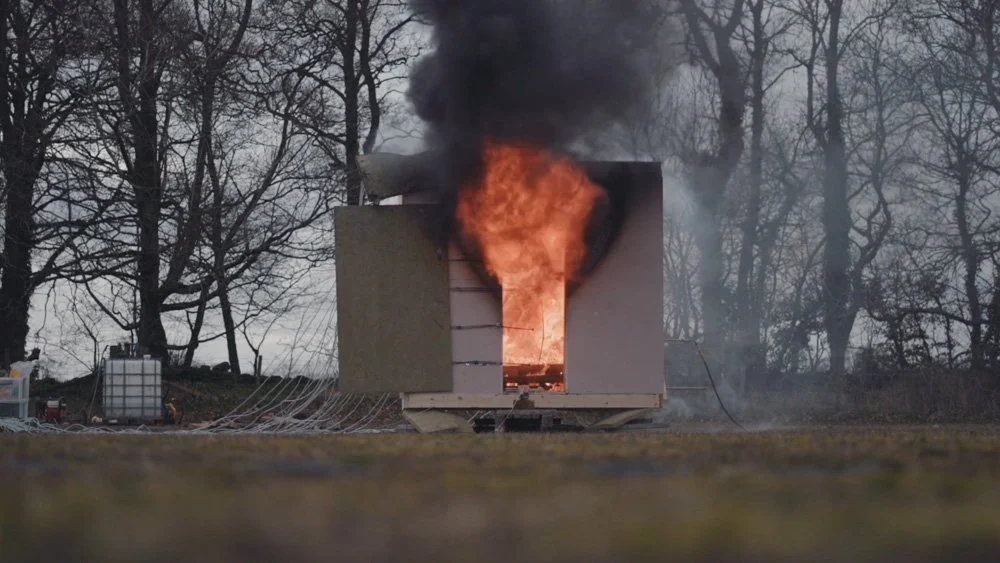
A new research project led by BE-ST and the University of Edinburgh has provided one of the clearest pictures yet of how stakeholders view fire safety in mass timber buildings and what needs to happen next to unlock wider adoption.
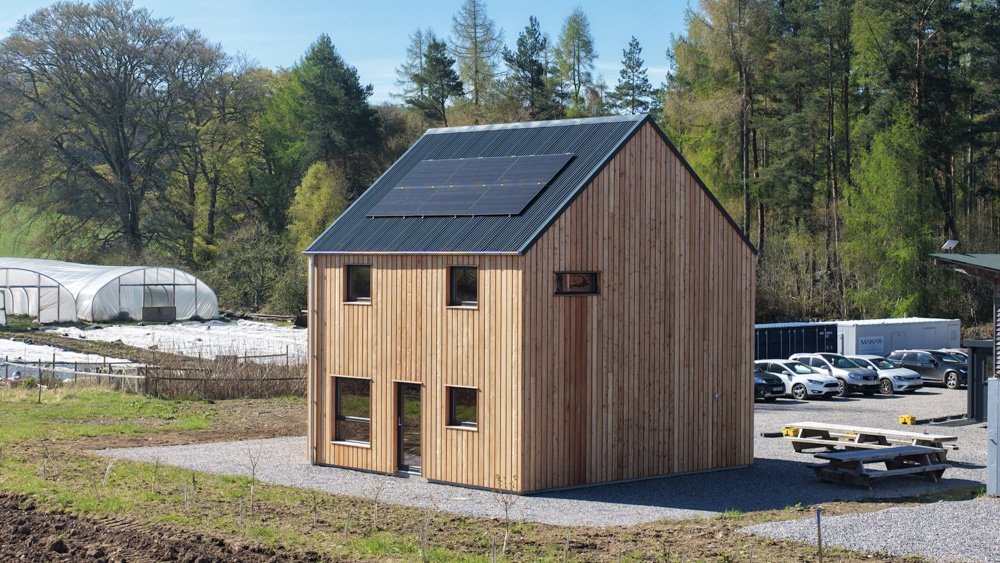


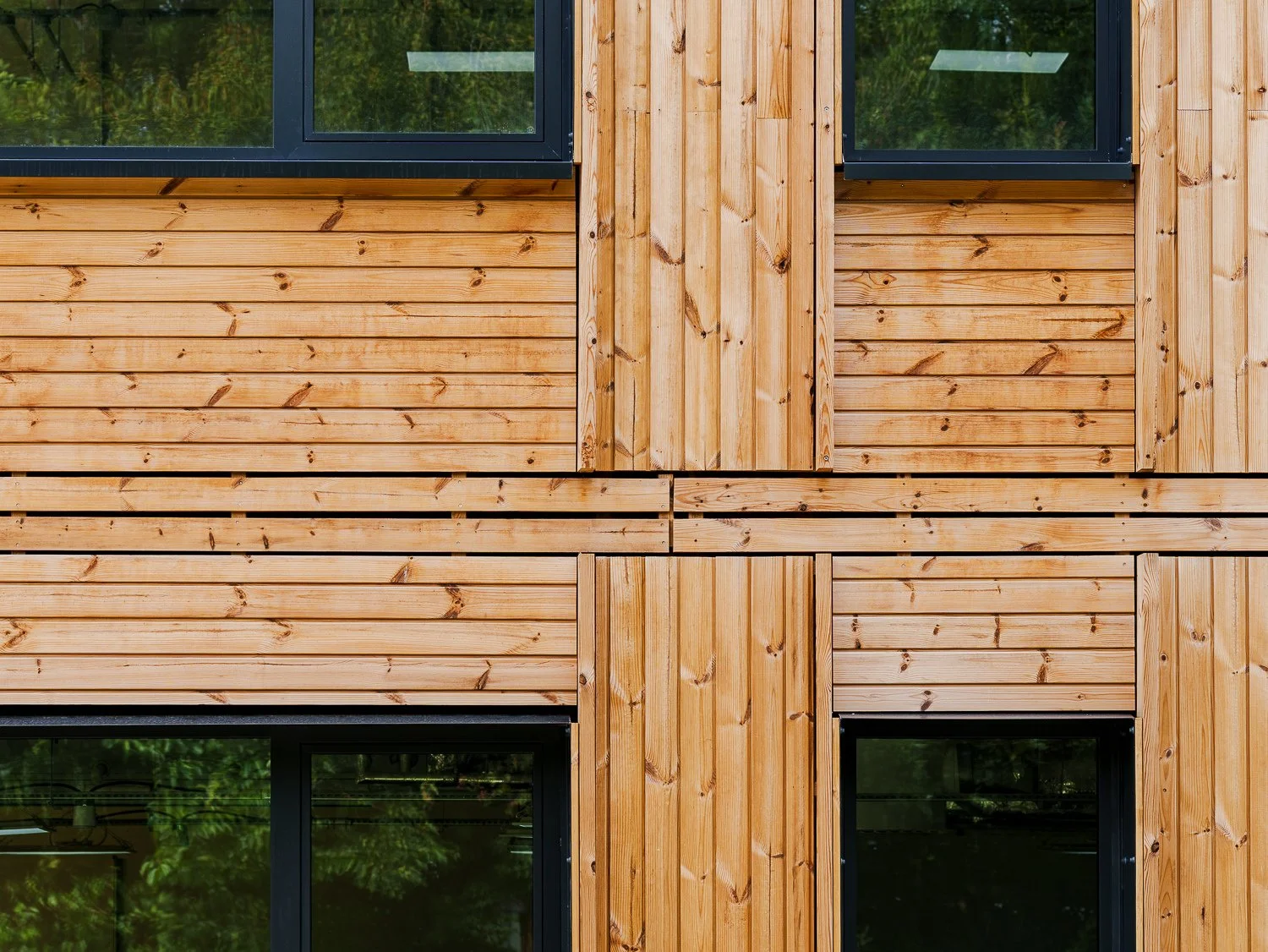
The UK needs 300,000 new homes every year. Timber is widely seen as one of the most promising materials to help meet that target; it’s renewable, lightweight, stores carbon, and increasingly competitive for off-site manufacturing.
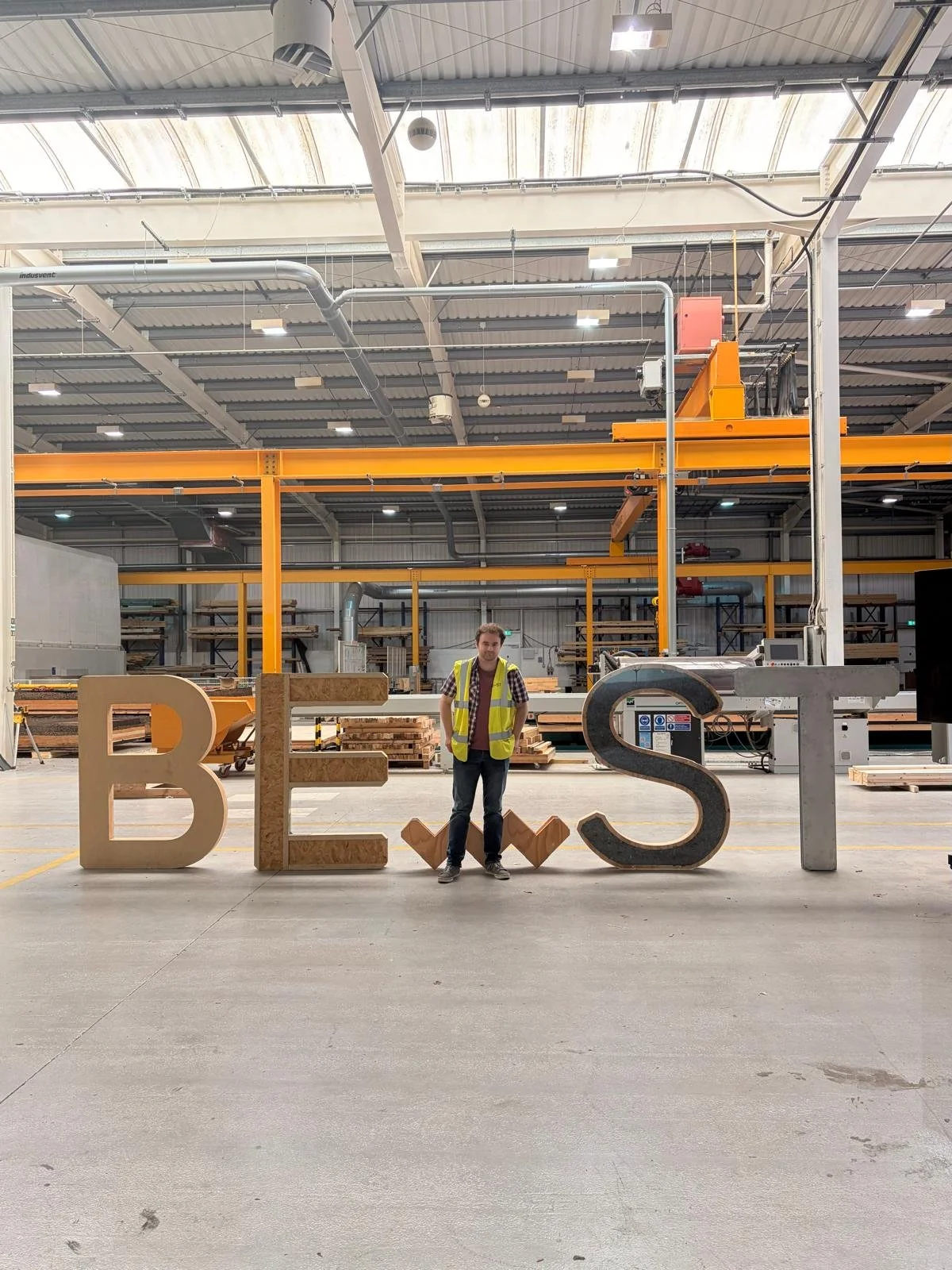
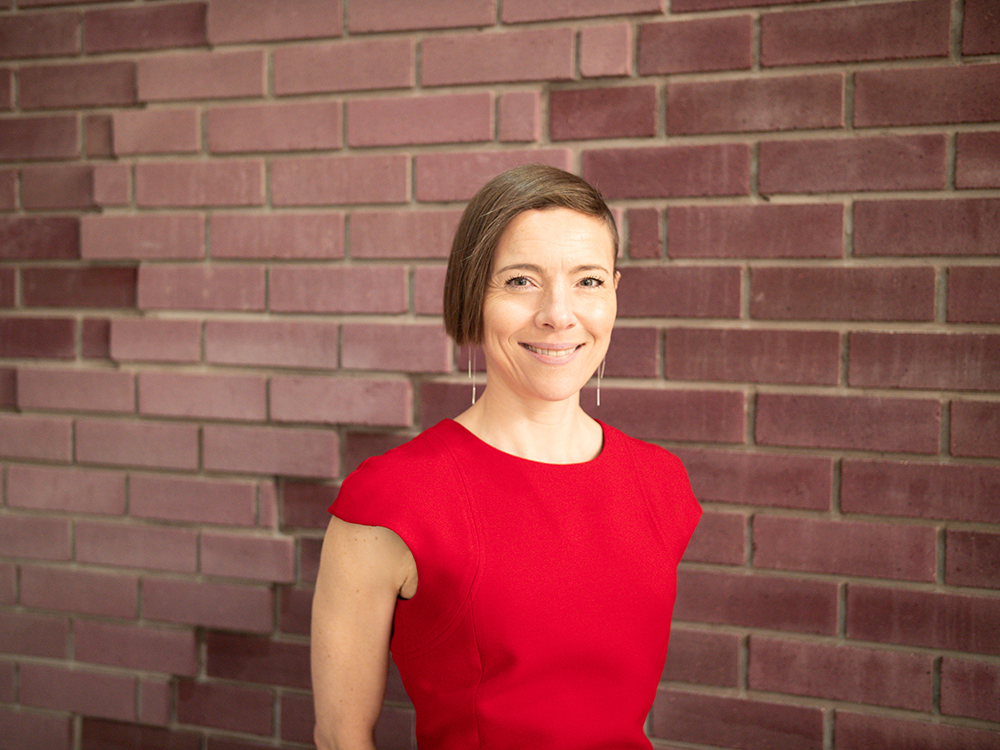
Meet our newest team member - Ketty Lawrence, who will be joining BE-ST over the next 12 months as Associate Director of Stakeholder Engagement. We’ve asked her some quick-fire questions in a '60 Seconds With' spotlight to help get to know her a little better.

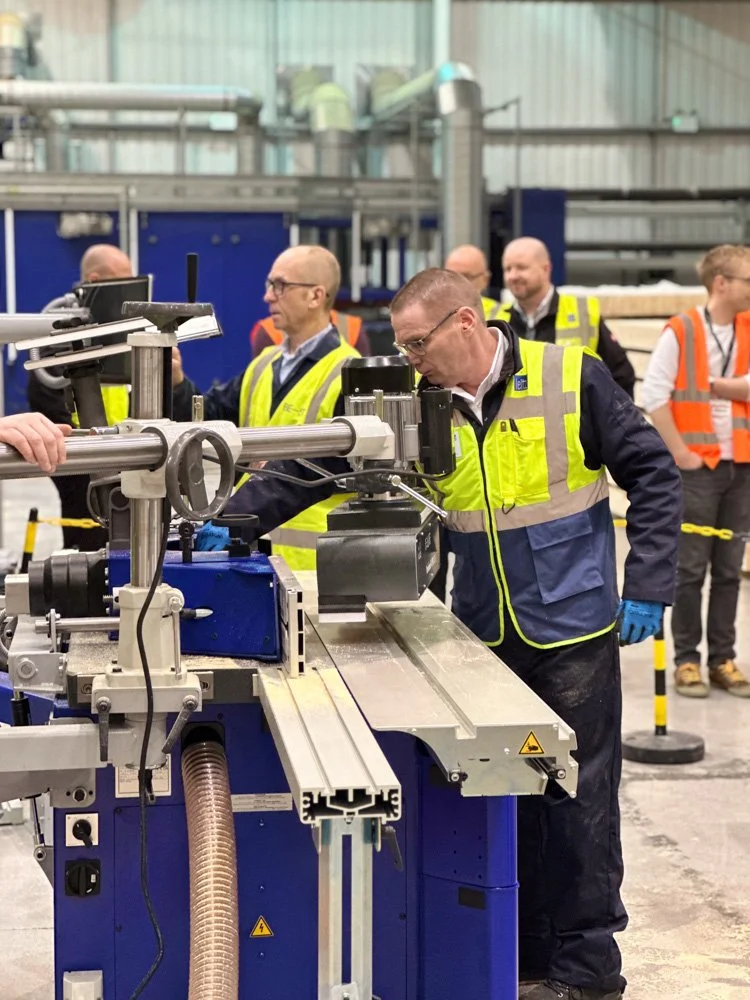
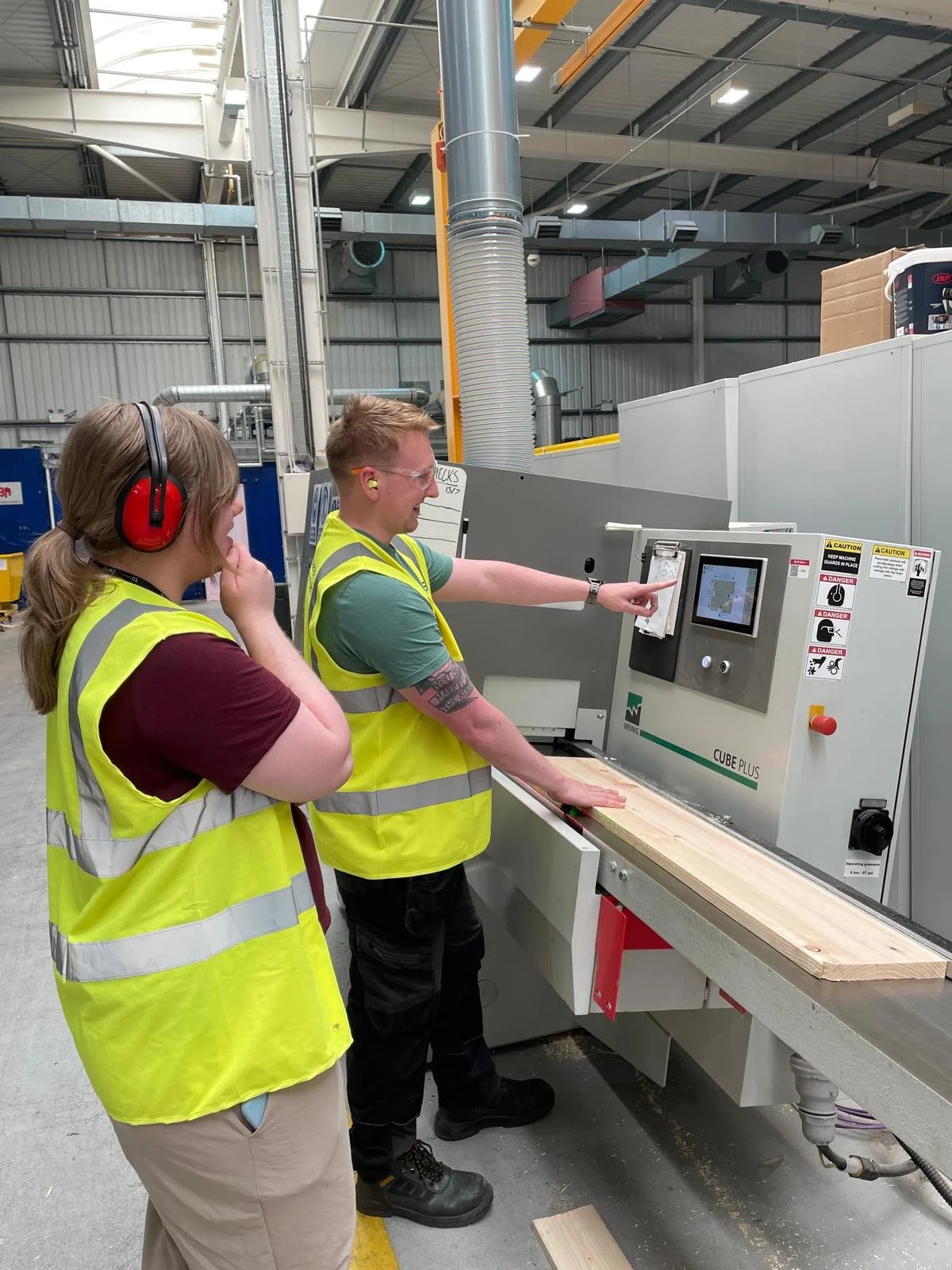
Hugo Taillandier has spent a decade working in construction, on site and in factories with some of the UK's leading timber specialists. Trained in architectural technology and mechanical engineering, and now leading training programmes at BE-ST, he is one of the key people delivering the upcoming Timber in Construction Skills initiative. Here, he makes the case for why it matters and why now is the time to act.
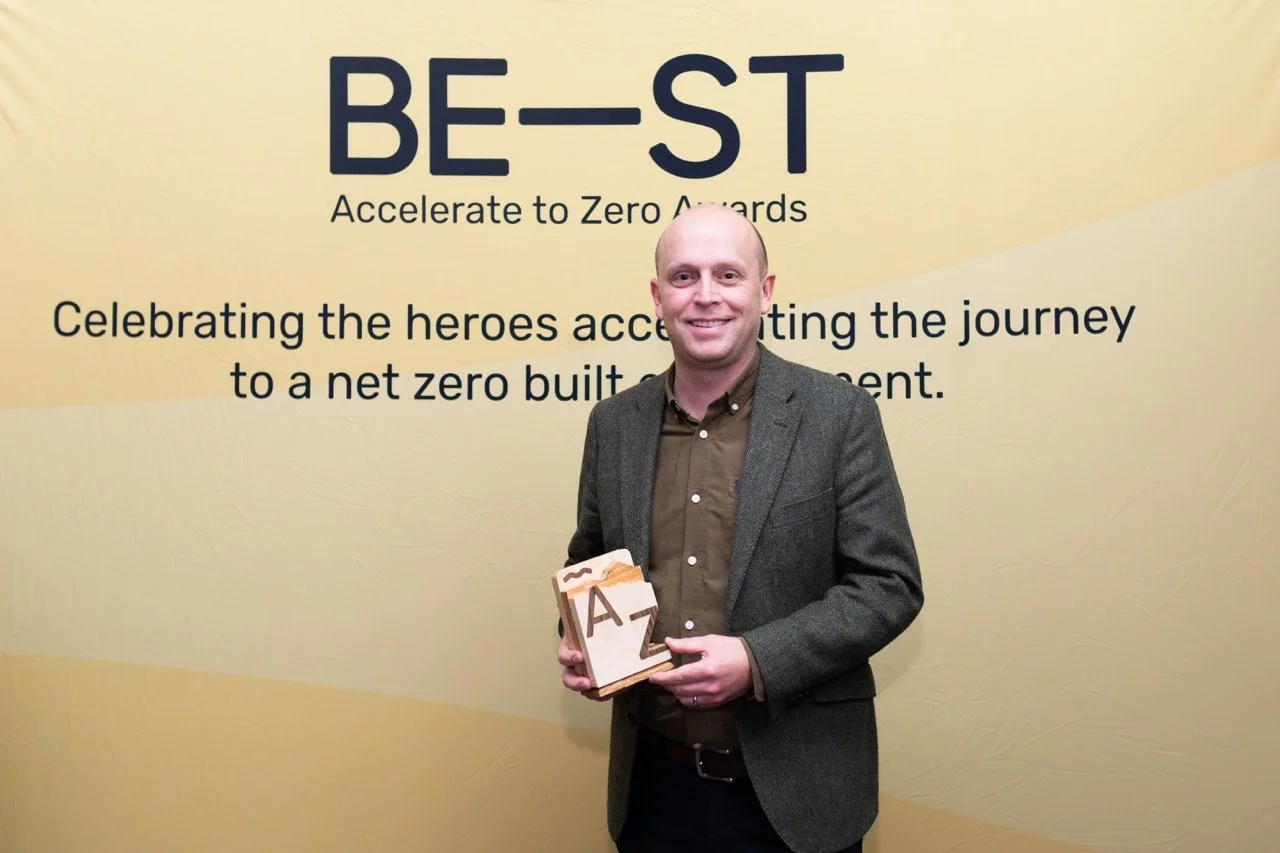
Matthew Clubb is an Aberdeen-based director of mwclubb, a practice specialising in low-energy architecture and the retrofit of existing buildings. A former oil and gas engineer, Clubb transitioned into architecture after a personal journey into climate science that left him shocked by the severity of the climate crisis.
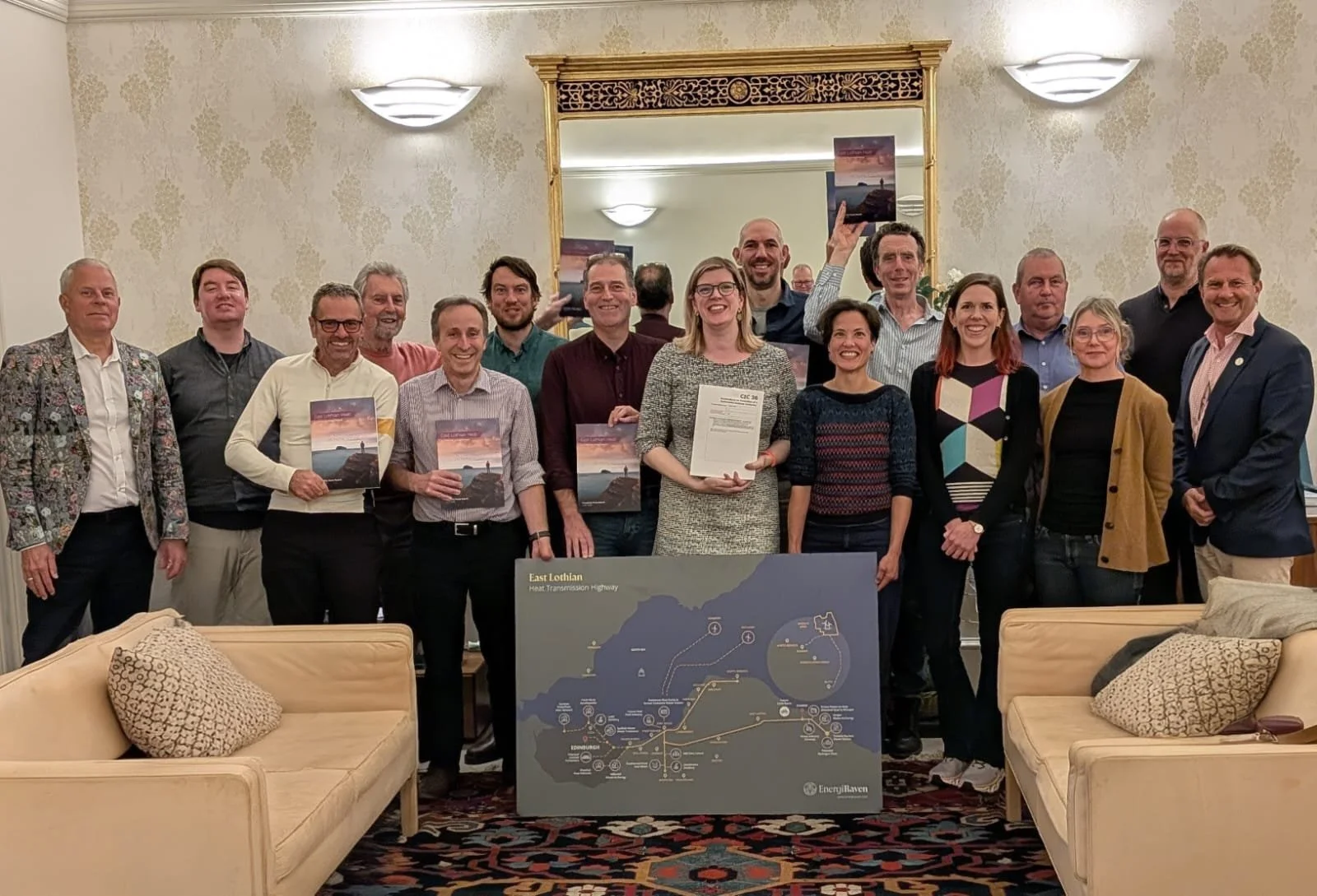
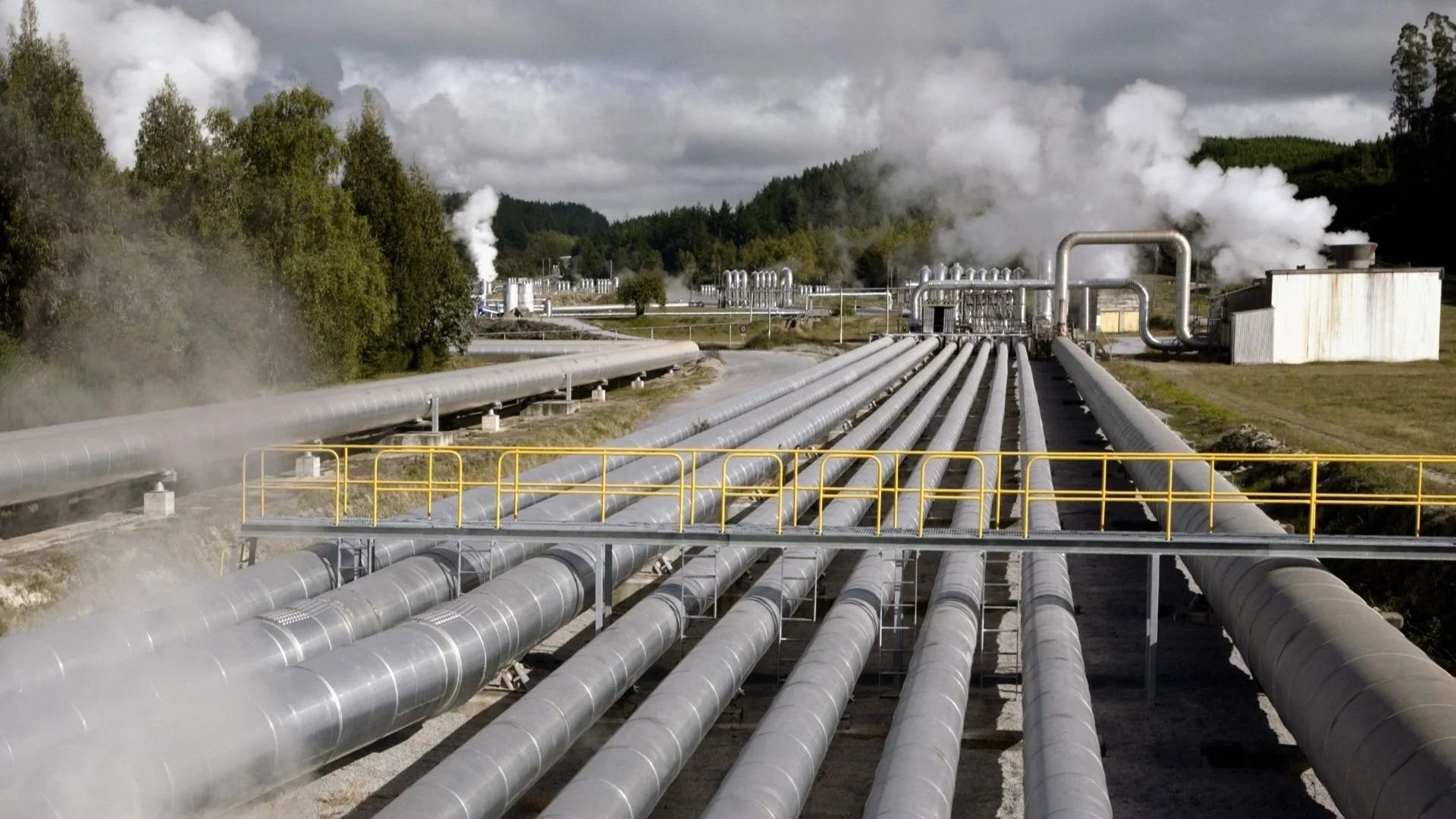
Lothian Heat is a new regional organisation exploring how large-scale heat networks could be delivered differently in the East of Scotland. Its core proposition is straightforward but ambitious: capture waste heat that is currently being thrown away, move it to where demand is highest, and deliver it at the lowest possible cost with community ownership embedded over the long term.
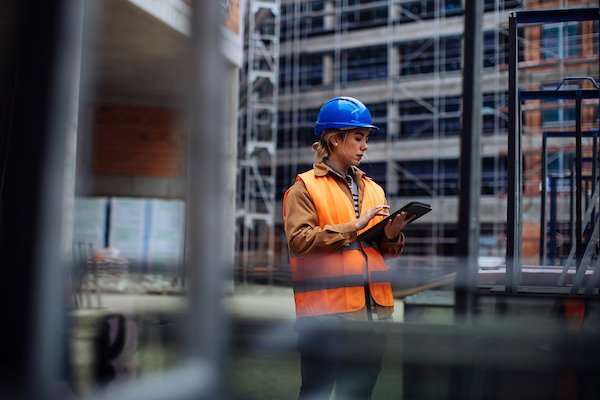
Construction and demolition produce nearly half of Scotland’s waste, and much of that arises not out of necessity, but due to underuse of reuse opportunities. Zero Waste Scotland is tackling these issues, pushing for a shift from linear “take, make, waste” models to a circular, resource-efficient built environment.
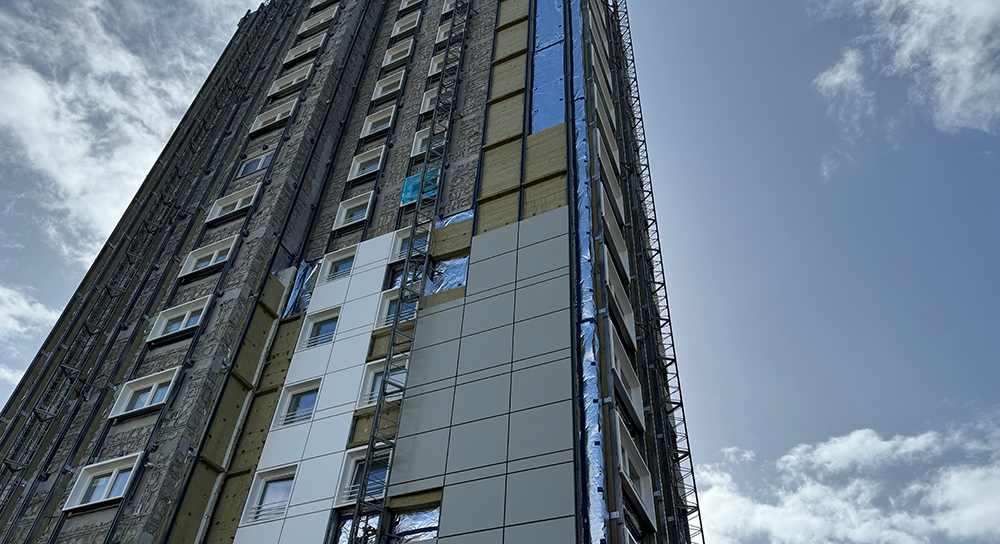
Kier is helping redefine the future of housing decarbonisation in Scotland. Its work at Prospecthill Court in Greenock has become a national exemplar, demonstrating genuine ambition to set new standards for energy efficiency, stakeholder collaboration, and social value.
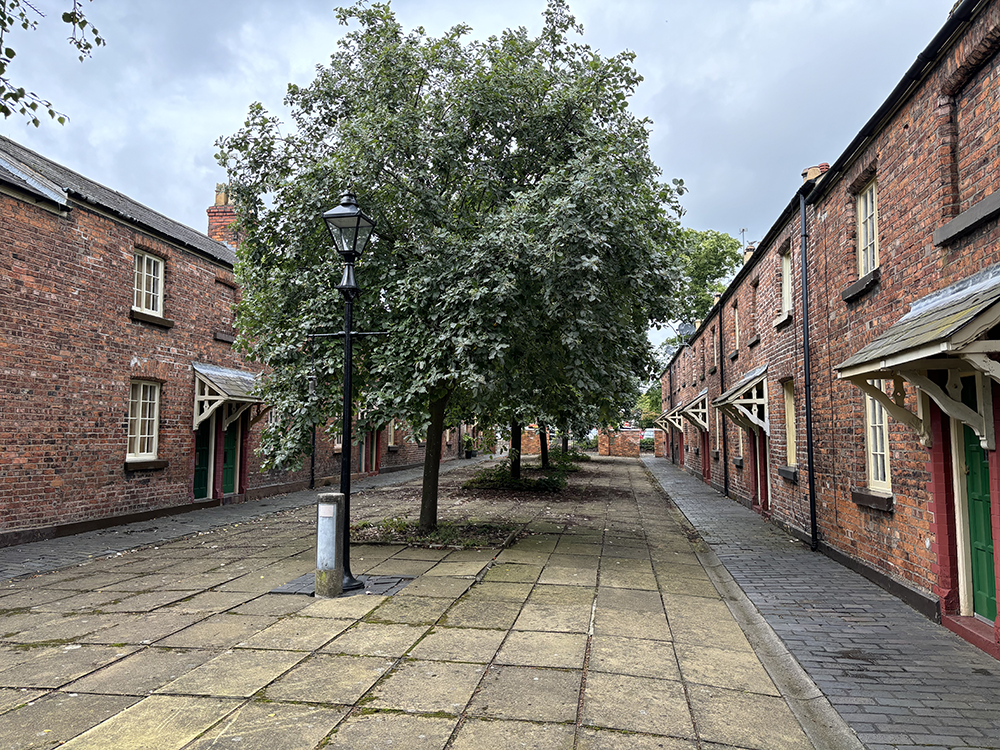
In response to the climate emergency, Cheshire East Council commissioned Purcell to lead the retrofit of a series of Grade II listed railway cottages in Crewe. These Victorian homes, constructed between 1848 and 1858 for railway workers, are deeply embedded in the town’s industrial heritage and architectural identity.
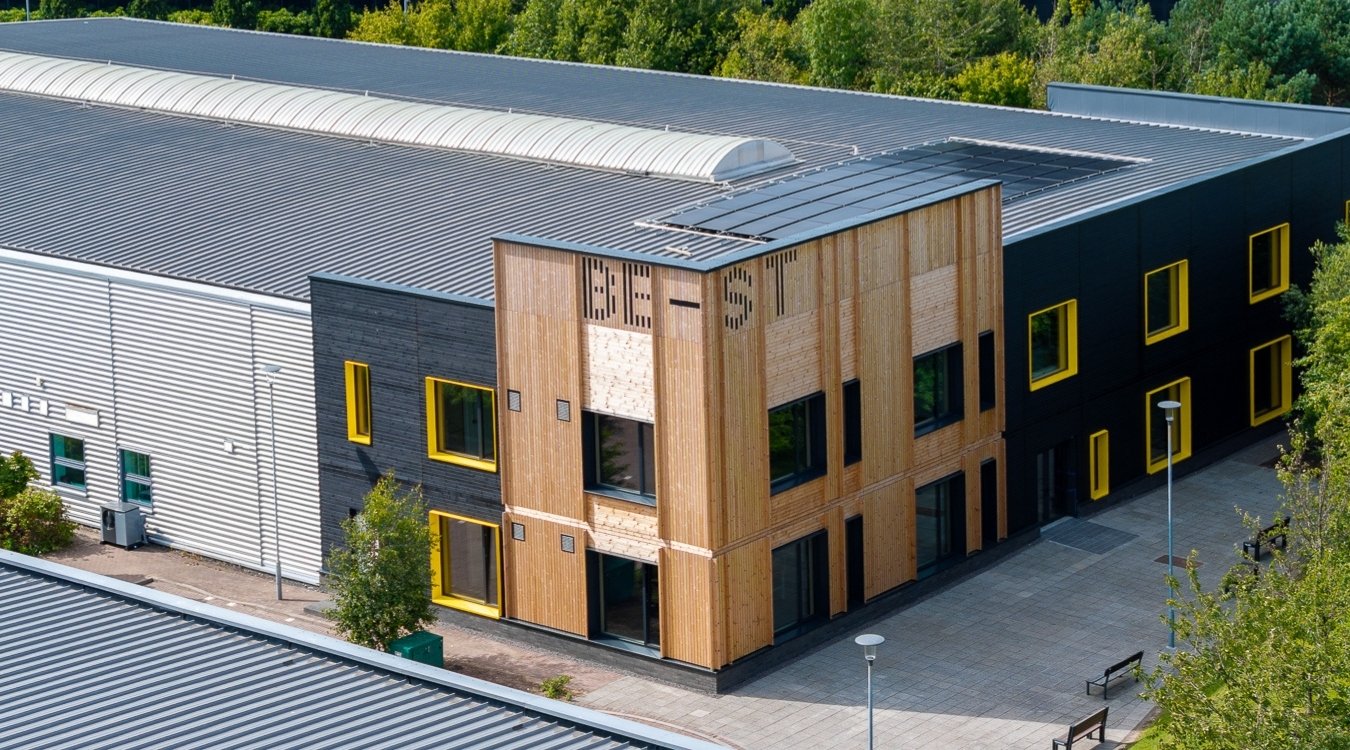
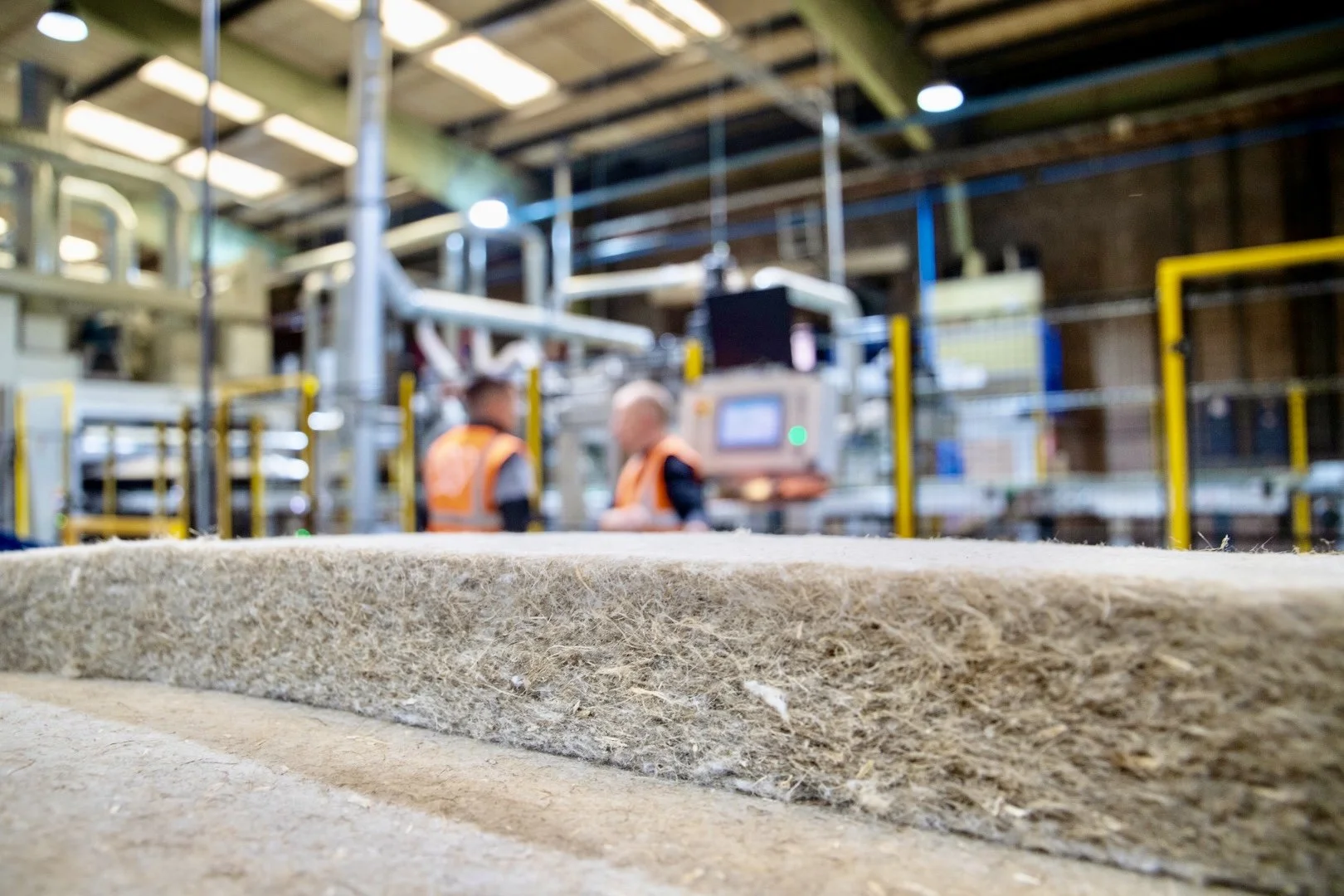
IndiNature began eight years ago as a start-up aiming to insulate buildings with natural hemp insulation.
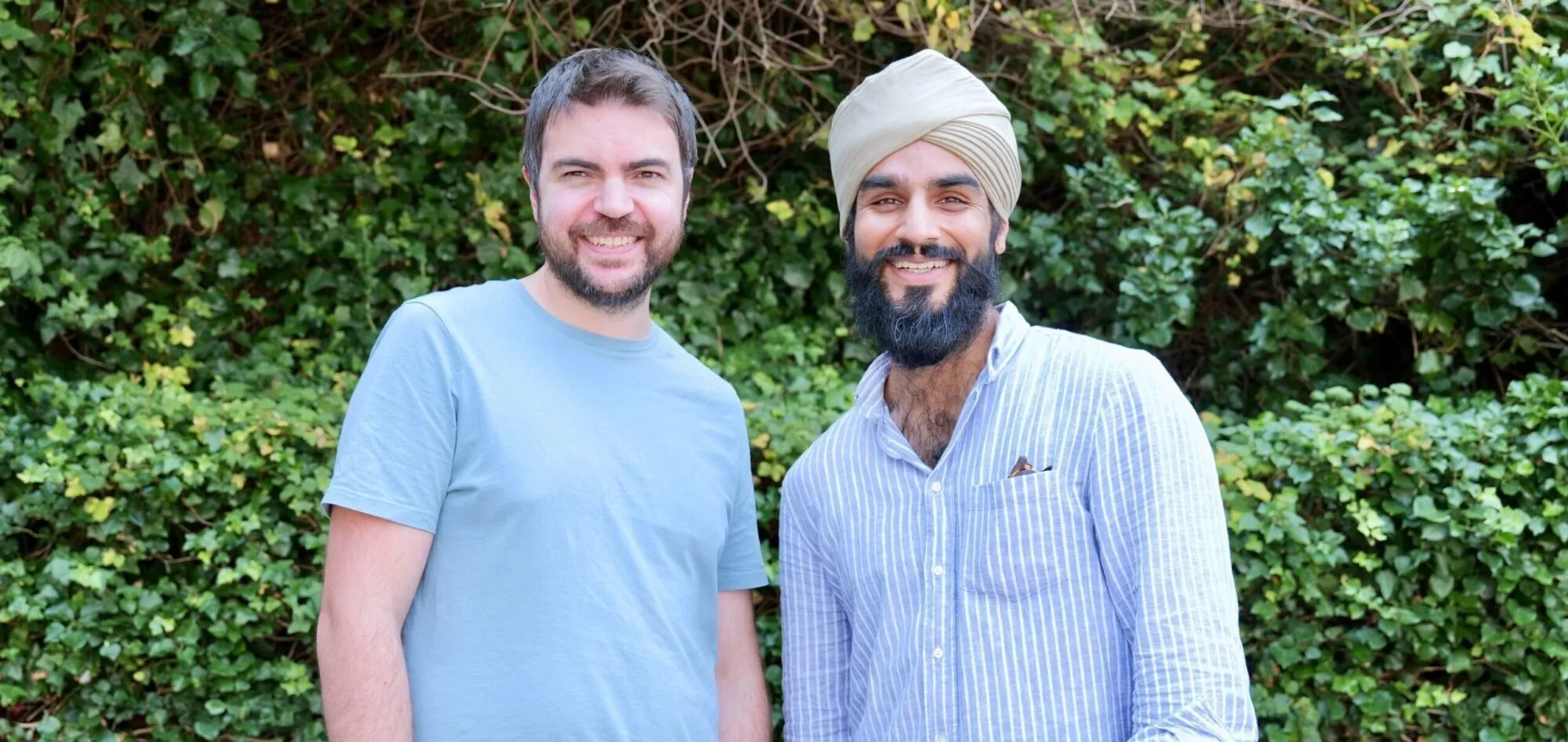
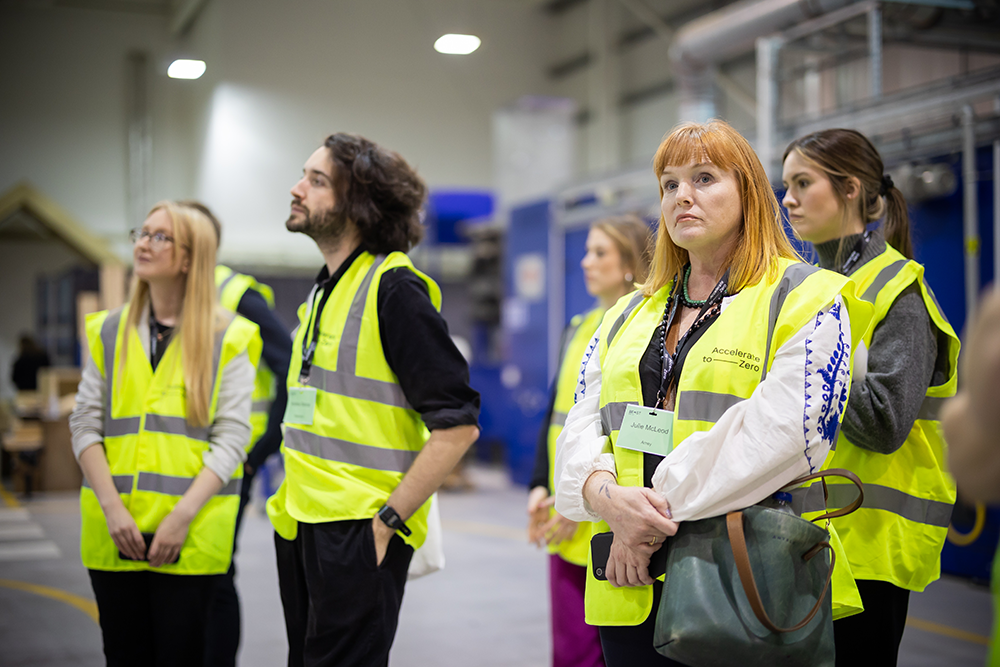
The Centre for Net Zero High-Density Buildings (CeNZ-HighDB) is funded by UKRI as part of the UK’s Green Economy Centre. Led by the University of Edinburgh, behind the Centre sits a research partnership between the Universities of Glasgow, Strathclyde, West of Scotland, Edinburgh Napier University, and BE-ST.
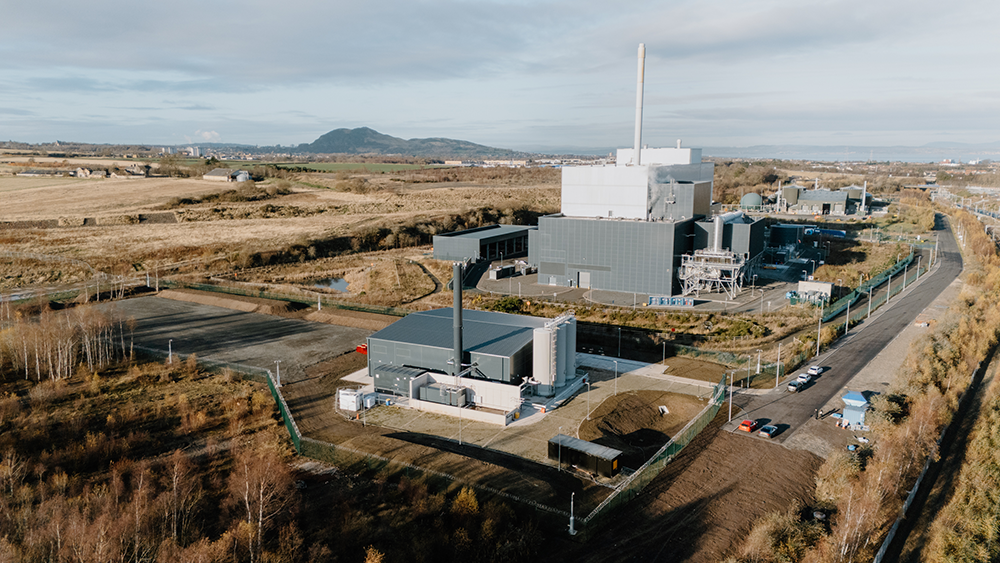
Midlothian Energy Limited (MEL) is a joint venture between Midlothian Council and Vattenfall that is delivering a heat network for local people, keeping them at the heart of planning, delivery and roll-out. But to create success in this region and further afield, we must win people’s belief in the technology first.
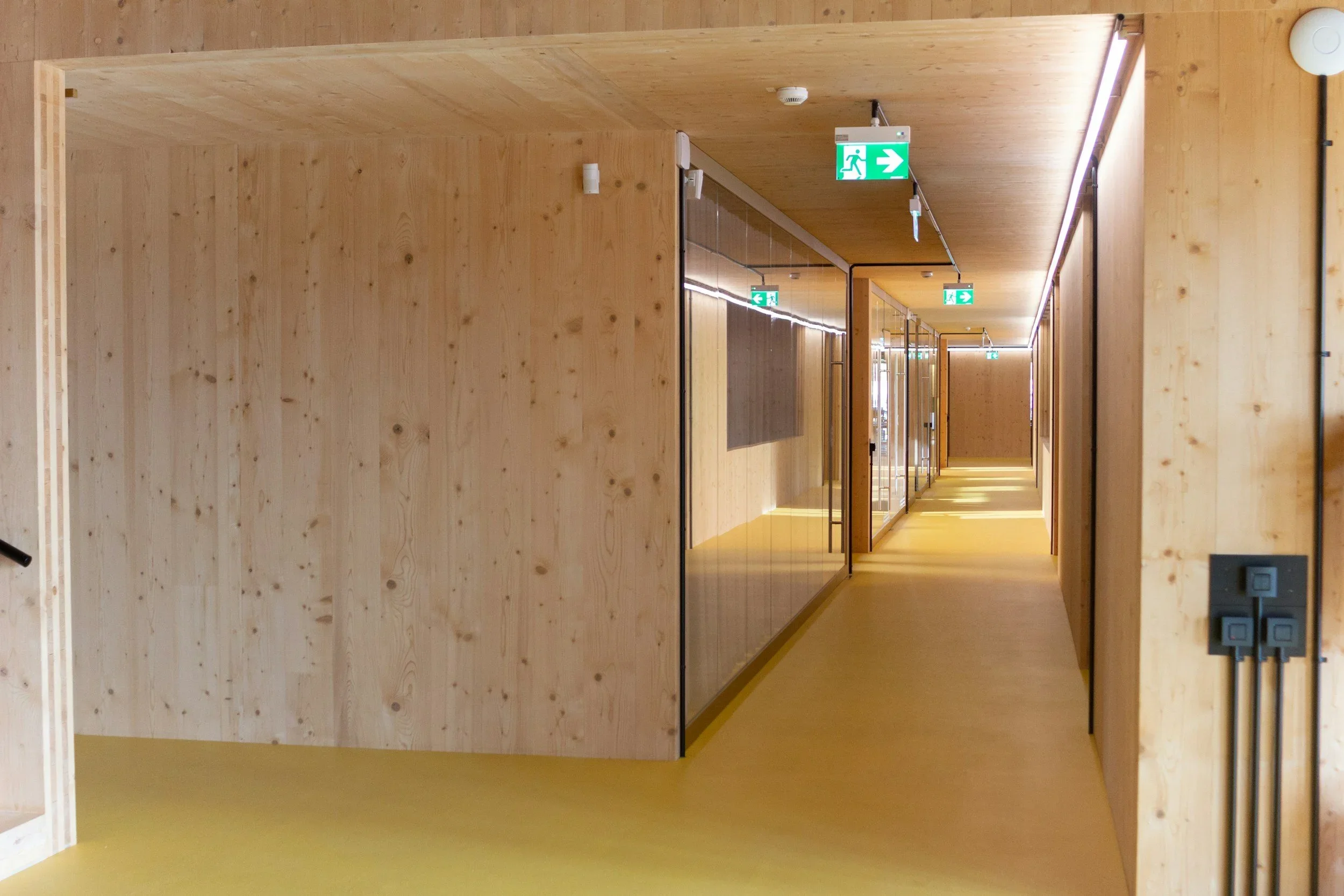
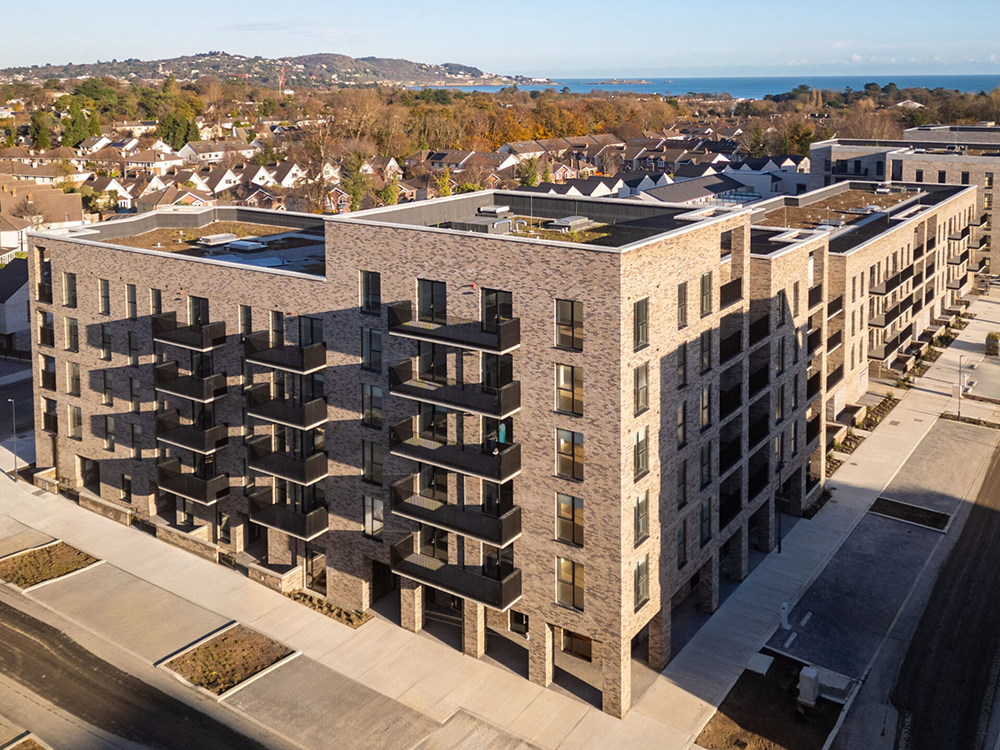
This piece from Mosart, Passive House architects, consultants and educators, explores how teams in Ireland are standardising Passivhaus delivery at scale, through a playbook with practical steps Scotland can apply now.
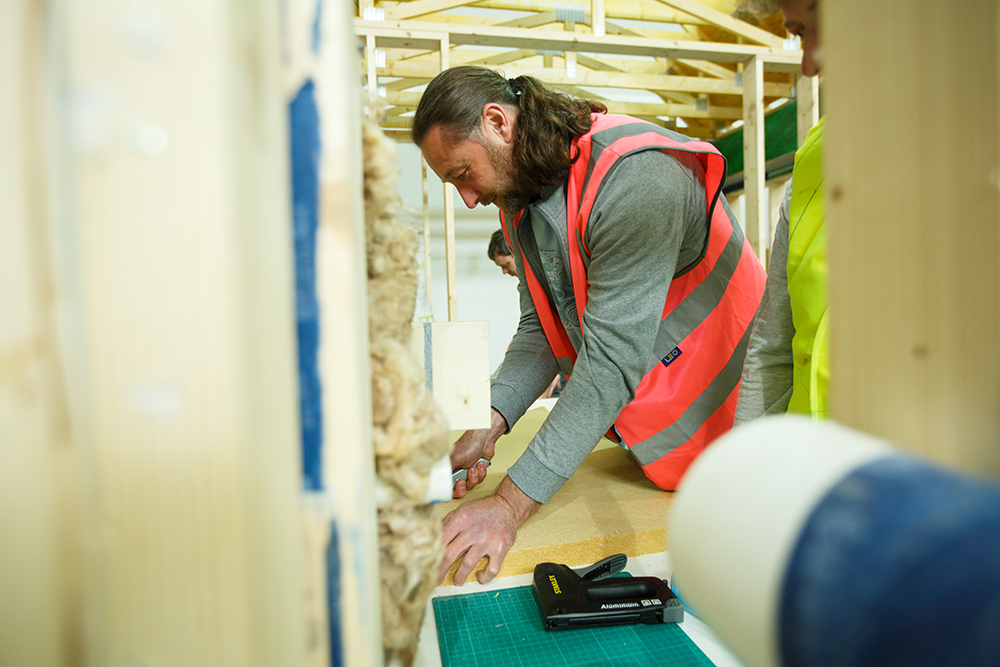
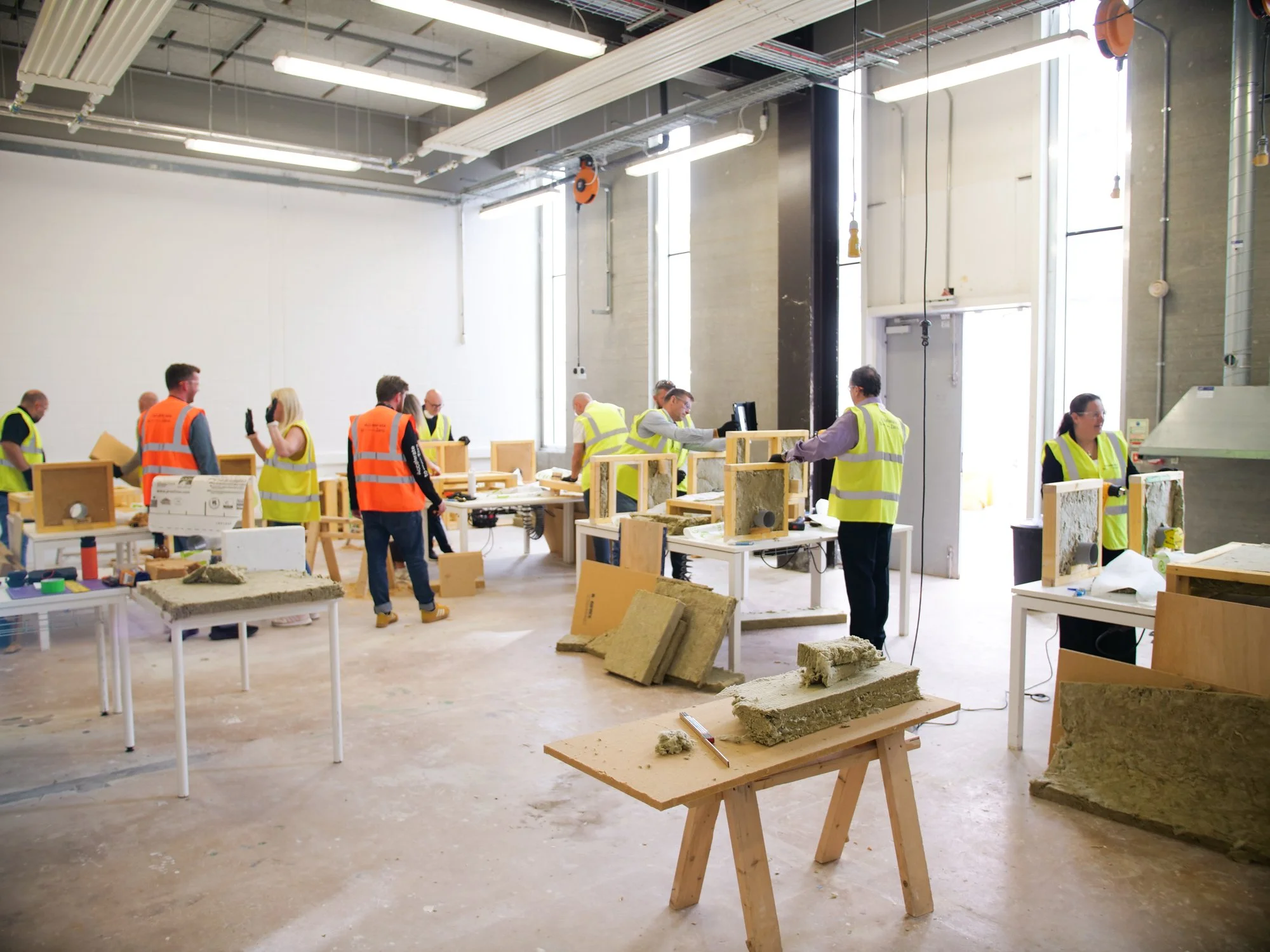
The Low Carbon Passport is a first-of-its-kind, accredited course designed to equip construction professionals with the critical skills and competencies needed to deliver low carbon, energy-efficient buildings across Scotland.
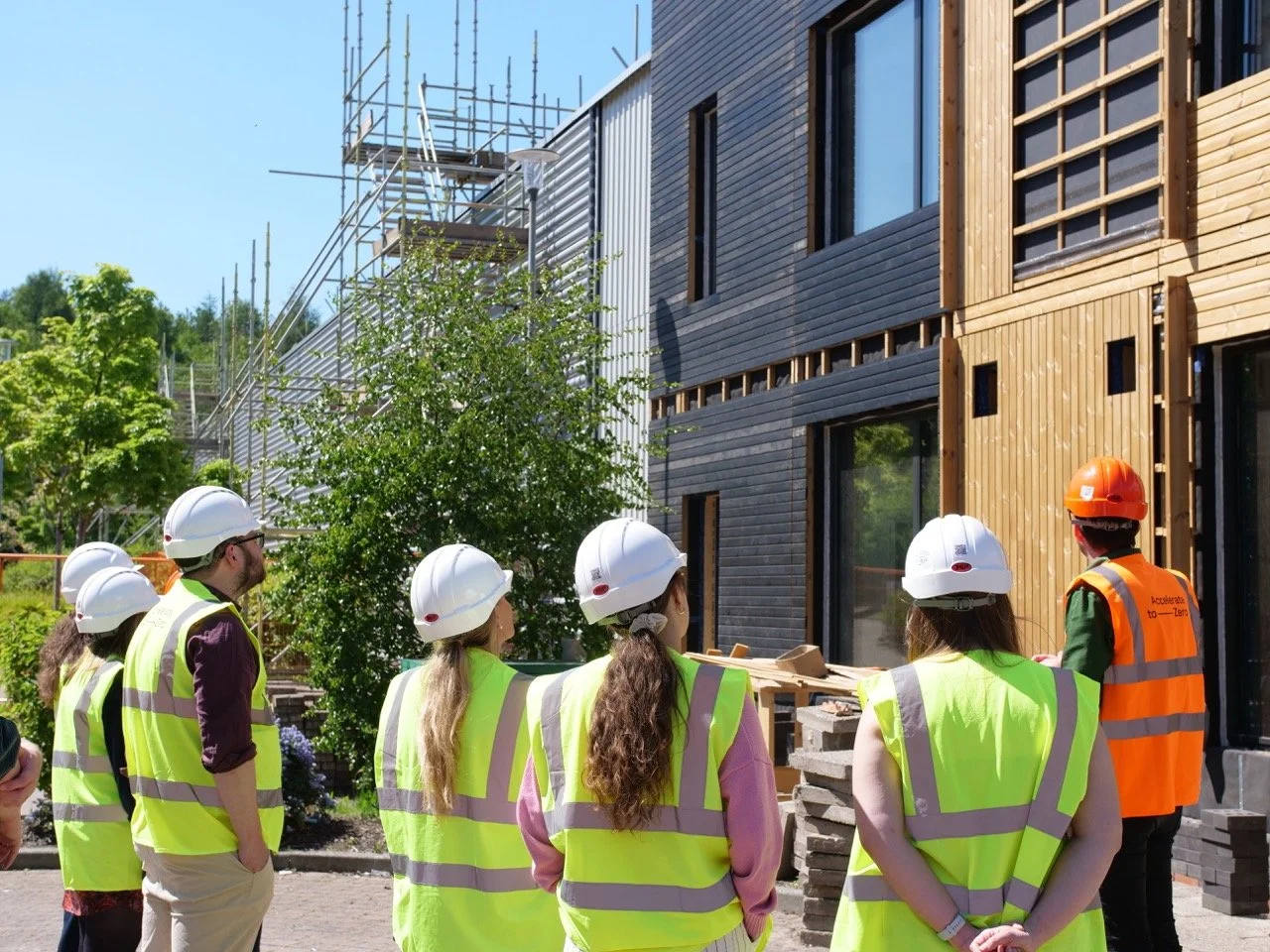

Alongside trusted training provider Coaction Training CIC, we’re offering Passivhaus Practical Training designed for Tier 1 and Tier 2 contractors, architects, consultants and tradespeople delivering commercial, residential, public and educational buildings at scale.
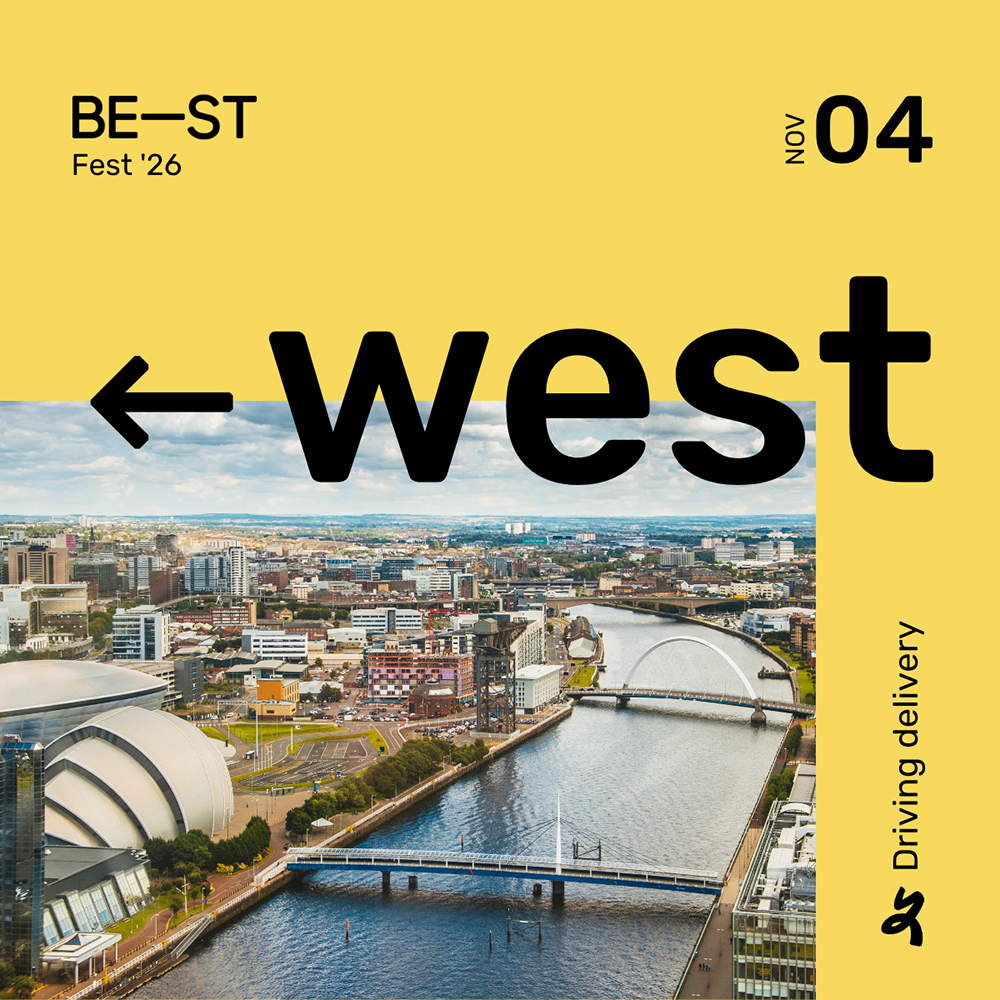
This summit brings housing and MMC together as interconnected solutions. It asks a critical question: how can we accelerate the delivery of better, faster, and more affordable homes? The answer lies in collaboration, innovation, and adoption of modern methods from offsite manufacturing to sustainable materials.
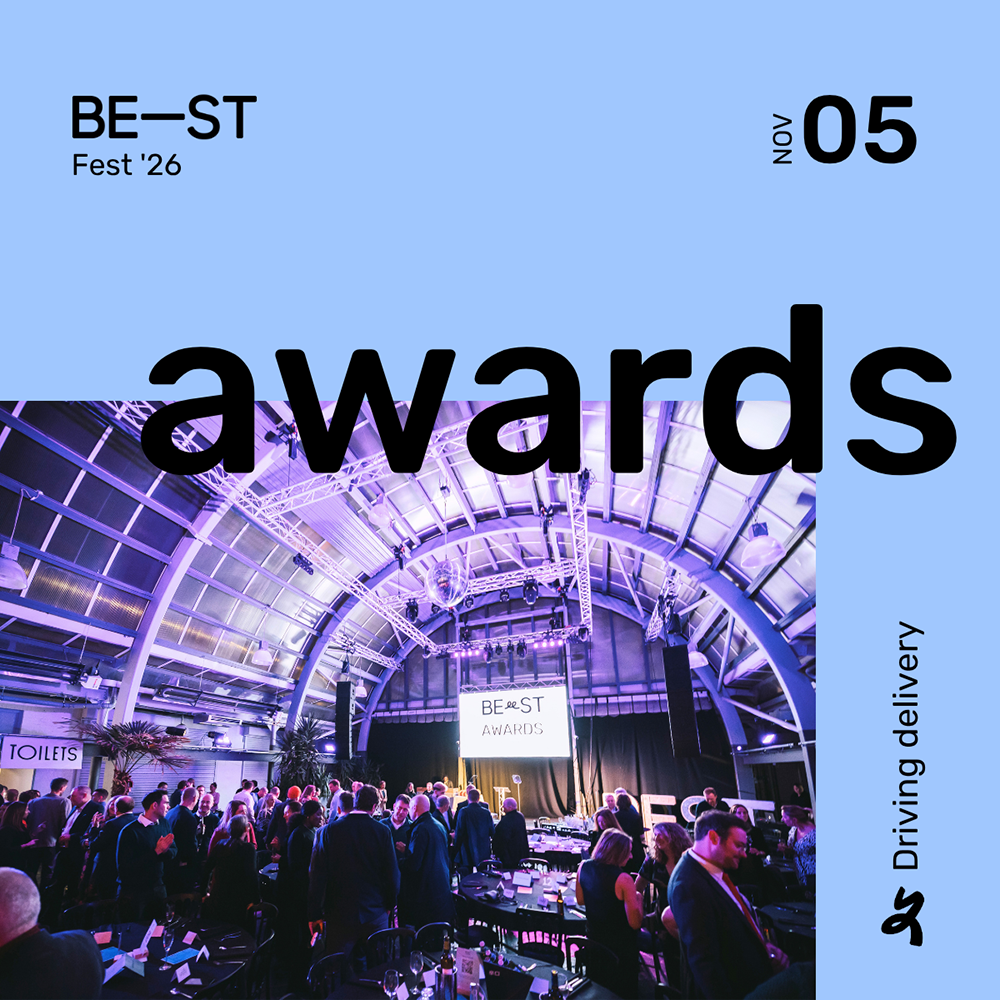
The Accelerate to Zero Awards recognise the businesses, organisations and individuals making the biggest contribution to decarbonising the built environment and supporting the just transition to zero carbon.
The Low Carbon Passport is a first-of-its-kind, accredited course designed to equip construction professionals with the critical skills and competencies needed to deliver low carbon, energy-efficient buildings across Scotland.
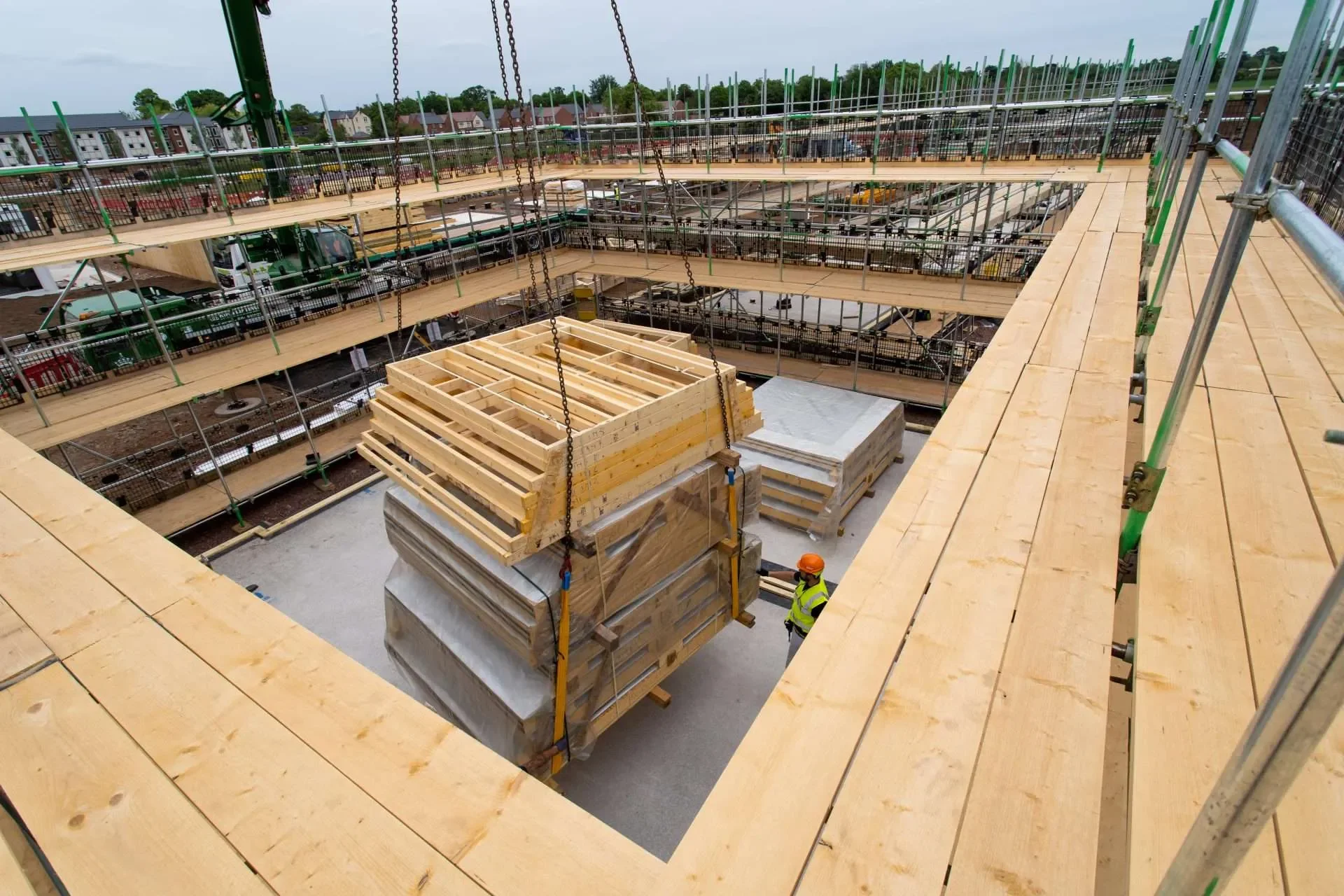
Modernise your site. Understand the fundamental shift in logistics and management required to deliver high-quality timber frame and mass timber structures.
The Low Carbon Passport is a first-of-its-kind, accredited course designed to equip construction professionals with the critical skills and competencies needed to deliver low carbon, energy-efficient buildings across Scotland.
Alongside trusted training provider Coaction Training CIC, we’re offering Passivhaus Practical Training designed for Tier 1 and Tier 2 contractors, architects, consultants and tradespeople delivering commercial, residential, public and educational buildings at scale.
The Low Carbon Passport is a first-of-its-kind, accredited course designed to equip construction professionals with the critical skills and competencies needed to deliver low carbon, energy-efficient buildings across Scotland.
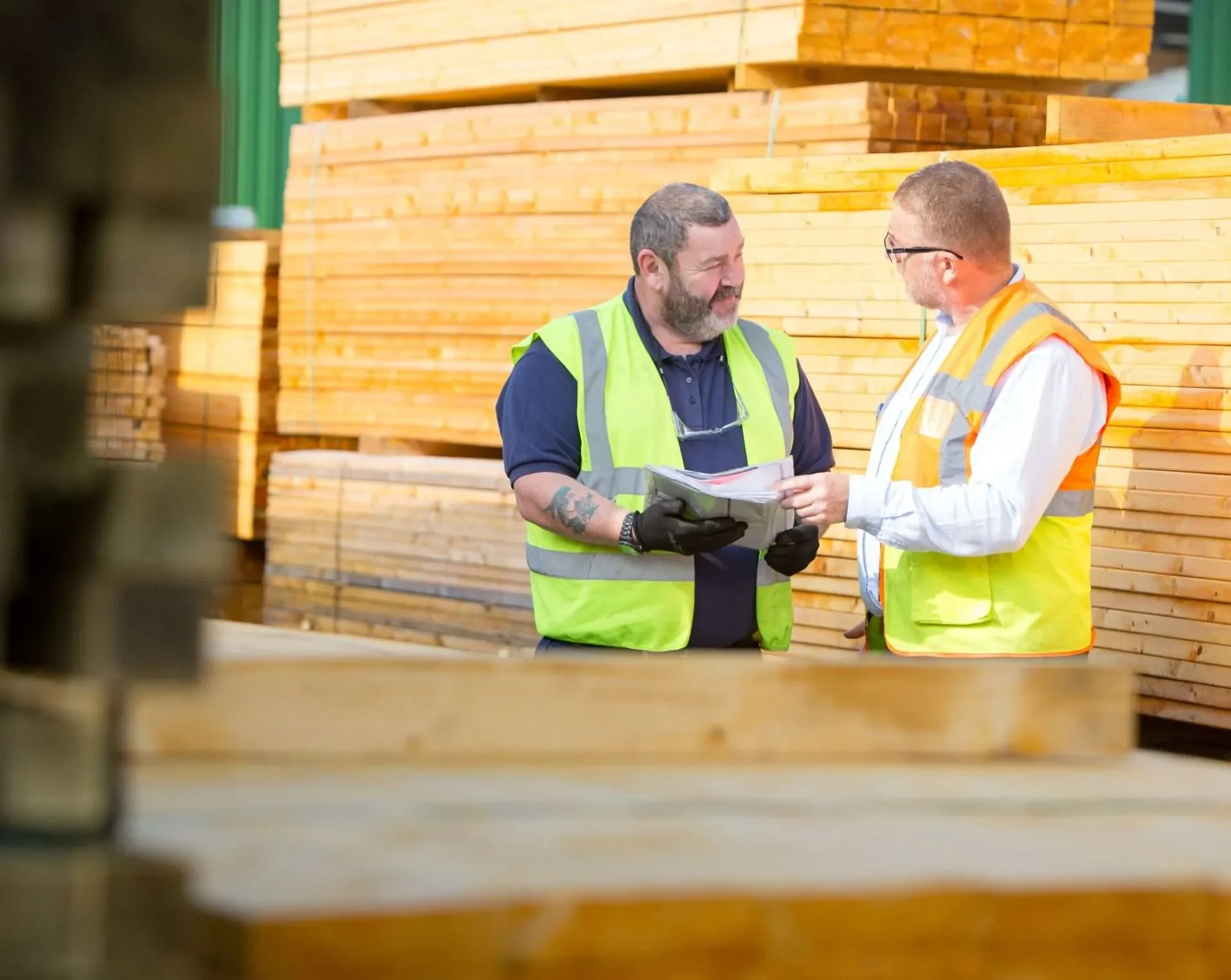
Build with authority. Navigate the complexities of the modern regulatory landscape to ensure every timber structure meets the highest standards of safety and compliance.
Alongside trusted training provider Coaction Training CIC, we’re offering Passivhaus Practical Training designed for Tier 1 and Tier 2 contractors, architects, consultants and tradespeople delivering commercial, residential, public and educational buildings at scale.

The South of Scotland faces a significant skills challenge shaped by its rural geography and ageing population. Persistent barriers, including limited access to affordable housing, poor transport connectivity, and underinvestment in training, continue to constrain progress.
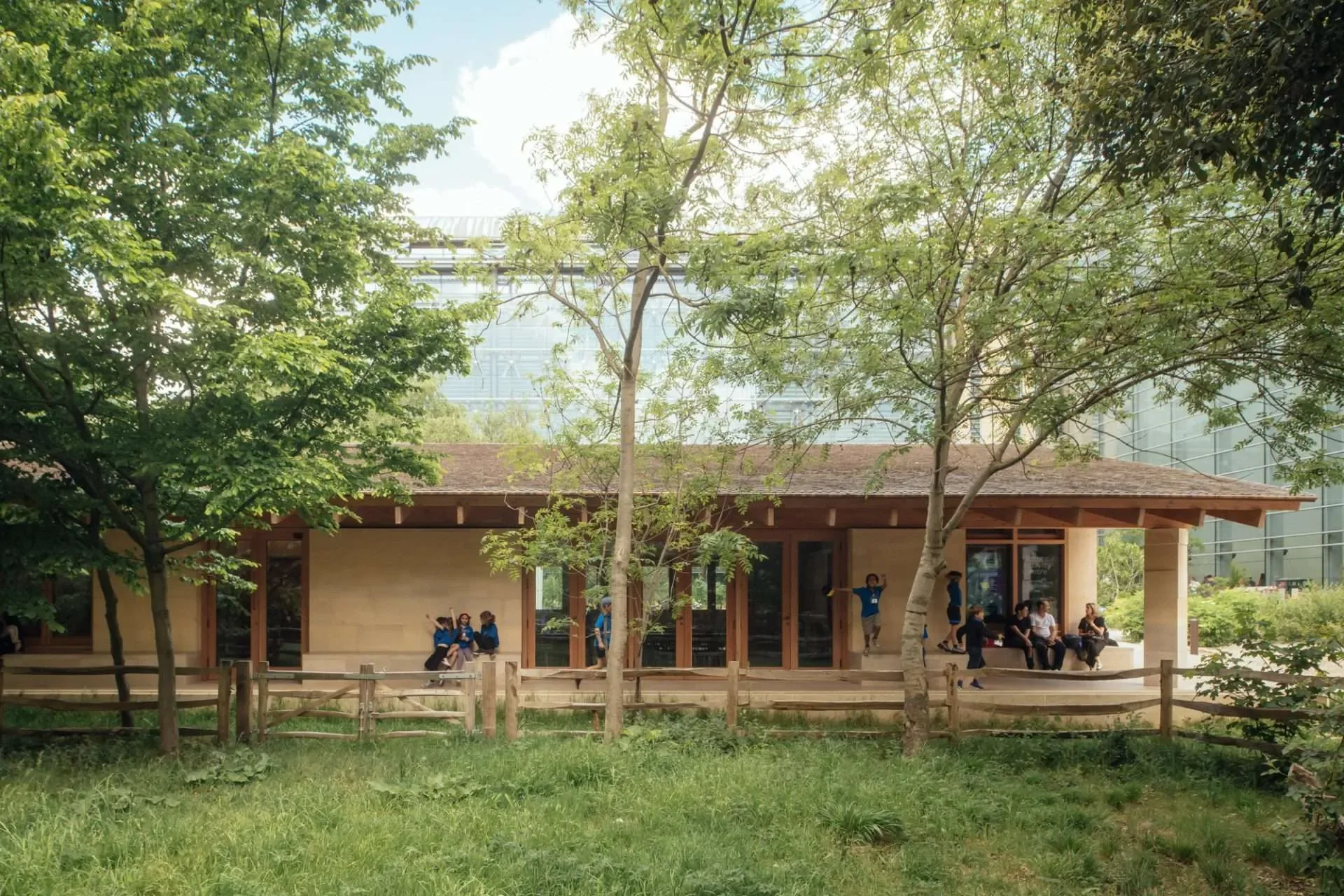
Evidence your impact. Master the metrics of sustainability to provide the transparent, data-driven evidence required to prove the carbon benefits of timber.
Alongside trusted training provider Coaction Training CIC, we’re offering Passivhaus Practical Training designed for Tier 1 and Tier 2 contractors, architects, consultants and tradespeople delivering commercial, residential, public and educational buildings at scale.
Alongside trusted training provider Coaction Training CIC, we’re offering Passivhaus Practical Training designed for Tier 1 and Tier 2 contractors, architects, consultants and tradespeople delivering commercial, residential, public and educational buildings at scale.
Alongside trusted training provider Coaction Training CIC, we’re offering Passivhaus Practical Training designed for Tier 1 and Tier 2 contractors, architects, consultants and tradespeople delivering commercial, residential, public and educational buildings at scale.
Alongside trusted training provider Coaction Training CIC, we’re offering Passivhaus Practical Training designed for Tier 1 and Tier 2 contractors, architects, consultants and tradespeople delivering commercial, residential, public and educational buildings at scale.
Alongside trusted training provider Coaction Training CIC, we’re offering Passivhaus Practical Training designed for Tier 1 and Tier 2 contractors, architects, consultants and tradespeople delivering commercial, residential, public and educational buildings at scale.
Alongside trusted training provider Coaction Training CIC, we’re offering Passivhaus Practical Training designed for Tier 1 and Tier 2 contractors, architects, consultants and tradespeople delivering commercial, residential, public and educational buildings at scale.
Alongside trusted training provider Coaction Training CIC, we’re offering Passivhaus Practical Training designed for Tier 1 and Tier 2 contractors, architects, consultants and tradespeople delivering commercial, residential, public and educational buildings at scale.
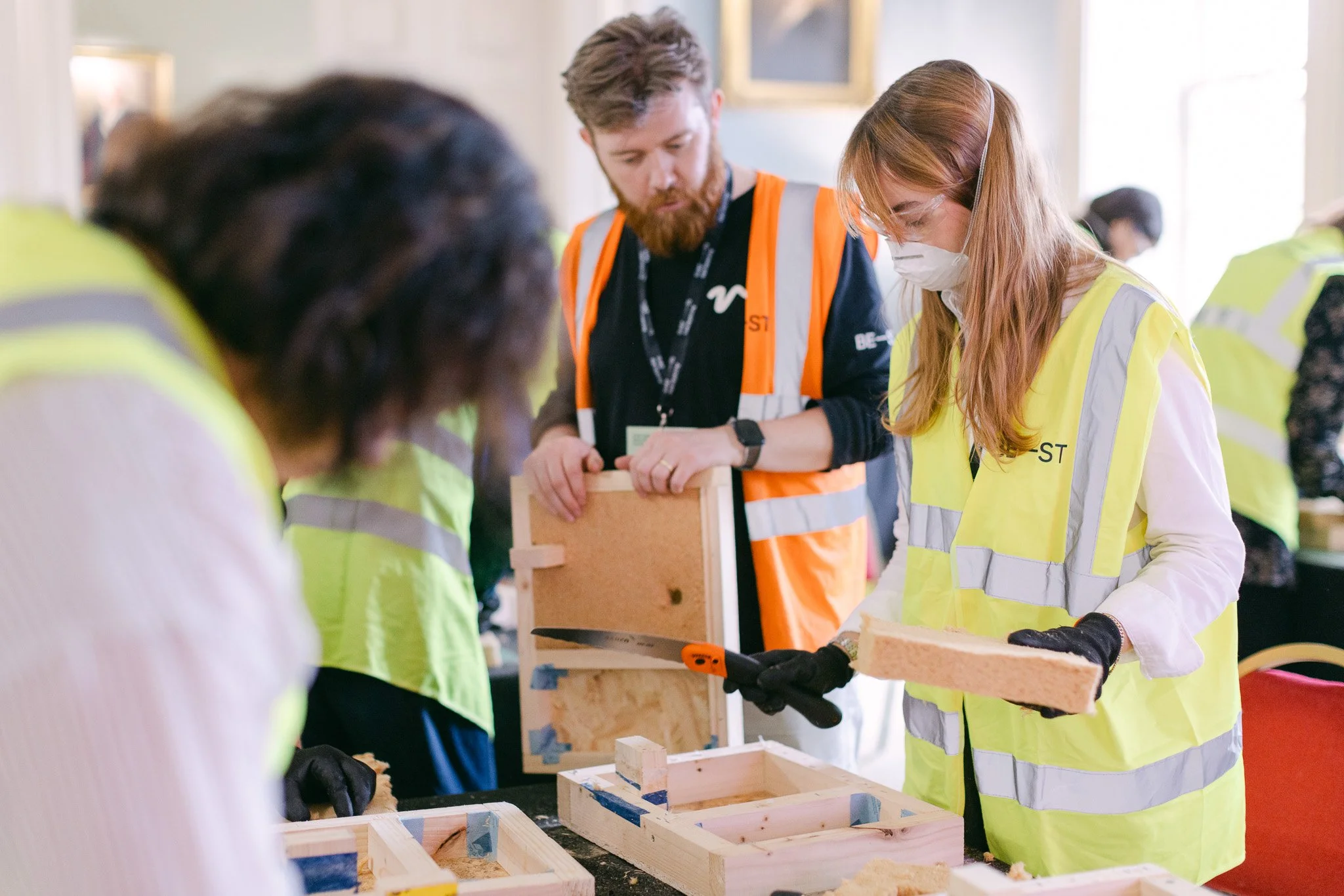
Energy Skills Partnership (ESP) and Built Environment – Smarter Transformation (BE-ST) have announced a formal strategic partnership to strengthen collaboration between Scotland’s colleges, employers, industry and innovation partners and help develop the skills and capabilities needed for a just transition in the built environment.
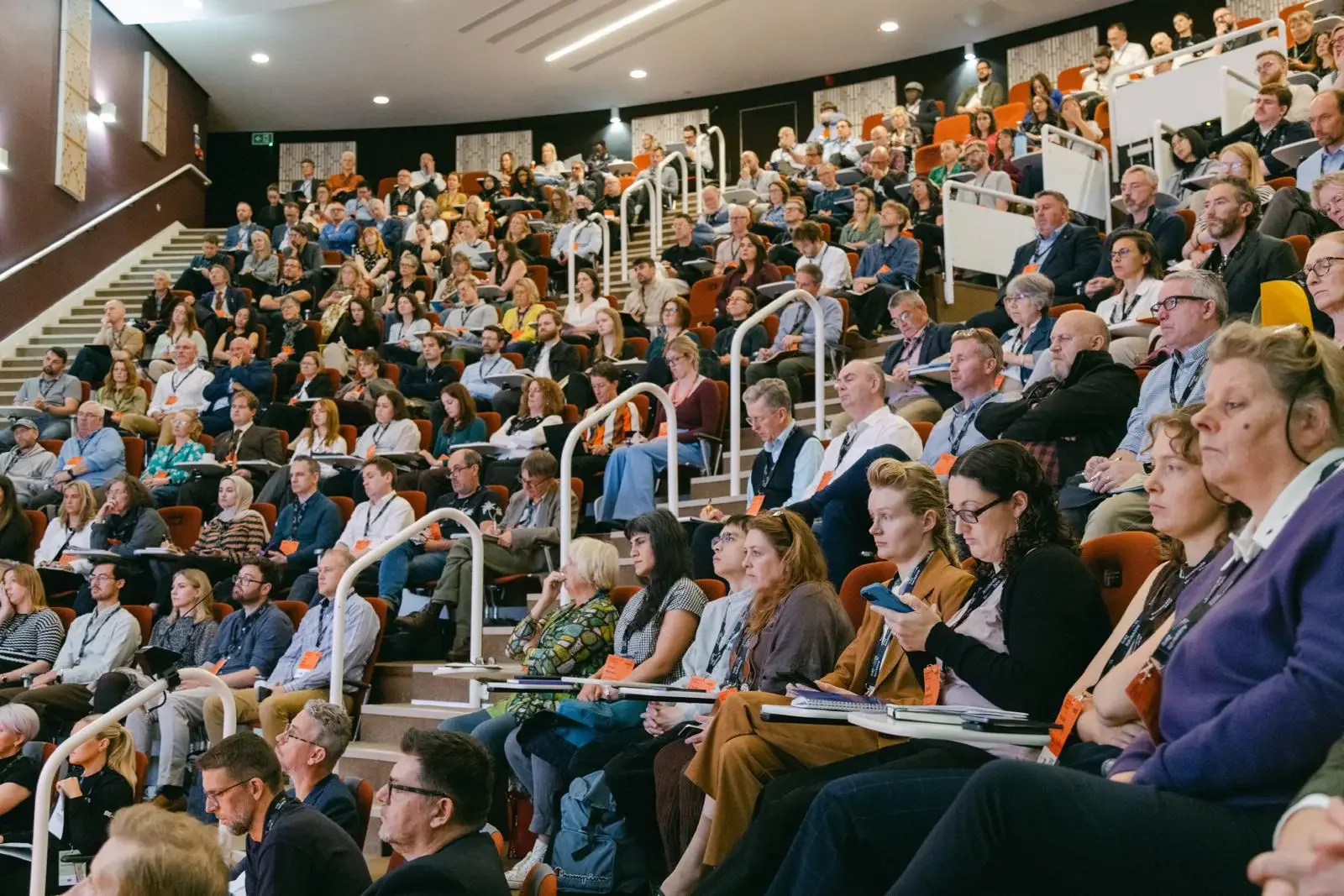
Industry stakeholders will meet in Inverness next month to explore how Scotland can accelerate the delivery of more energy efficient buildings and clean heat.

The Accelerate to Zero Awards are back for their fourth year to recognise the businesses, organisations, and individuals making the most significant contributions to decarbonising the built environment and supporting the just transition to net zero. This year, the awards will take place on the evening of Thursday, 5th November, at voco Grand Central in Glasgow, following the final day of BE-ST Fest.
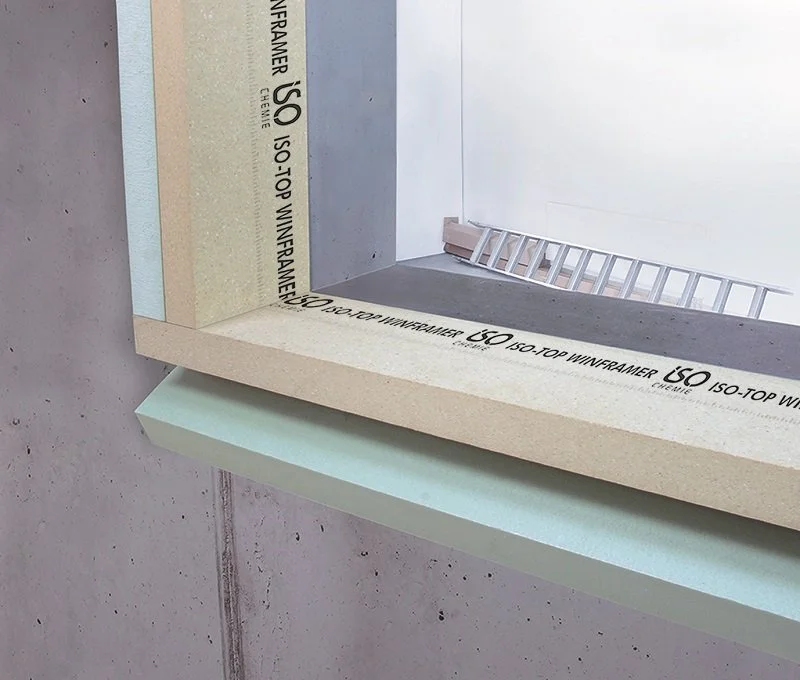
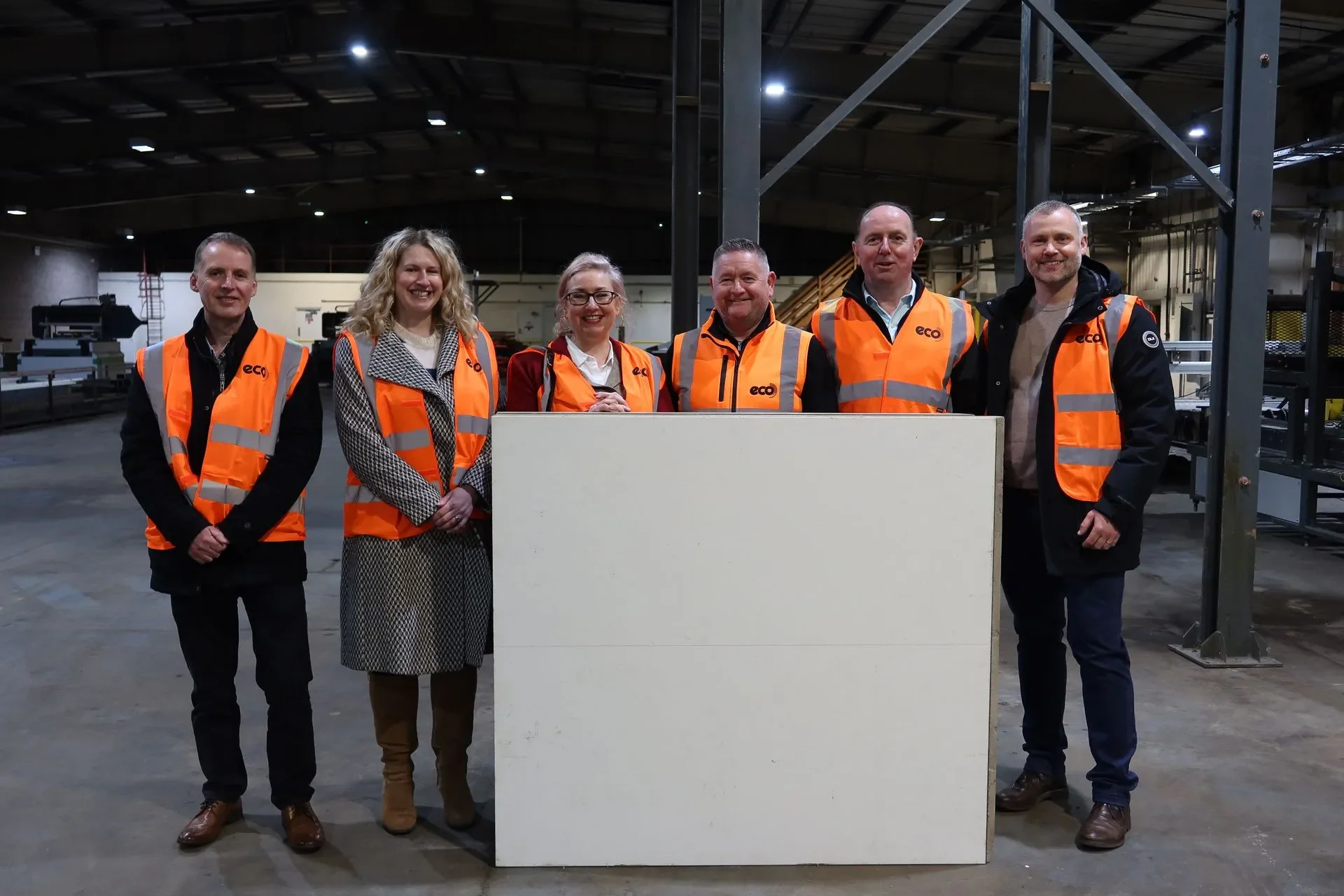
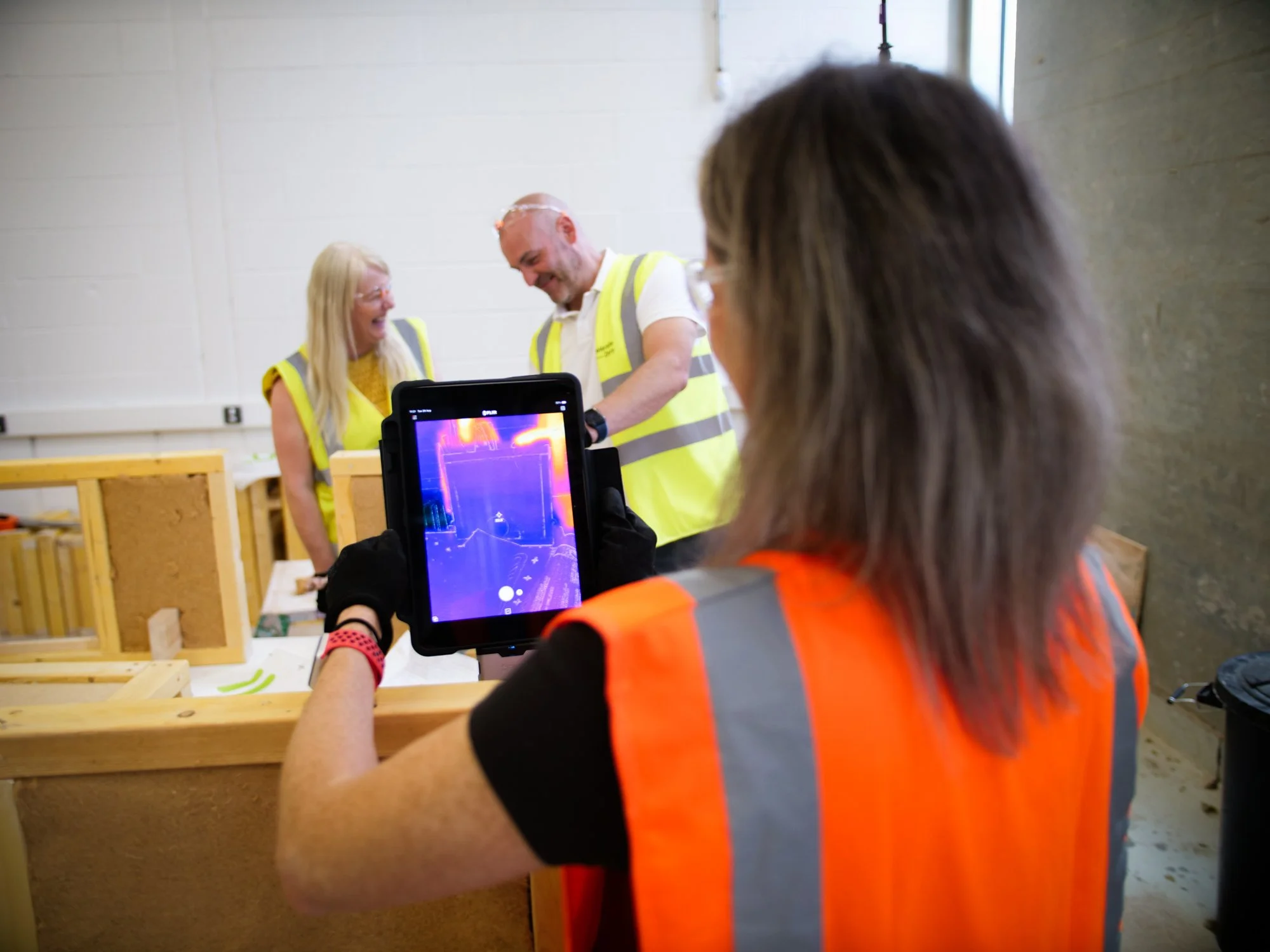
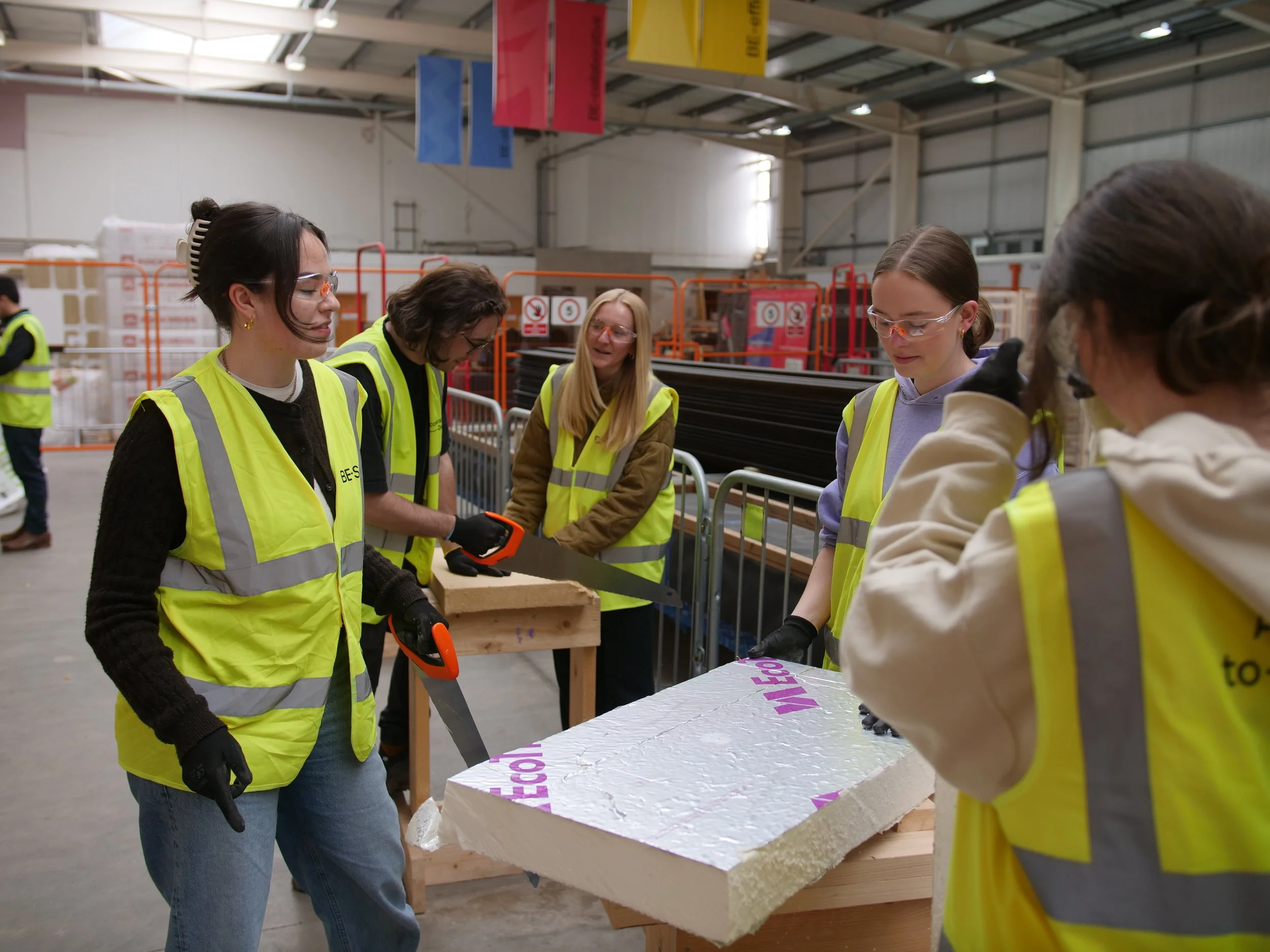

The purpose of this survey is to understand current levels of knowledge, specification practices, and use of timber in the UK, with a particular focus on C16 and UK‑grown material.

New programme will help prepare the construction sector for proposed changes aimed at improving quality, compliance and public confidence.
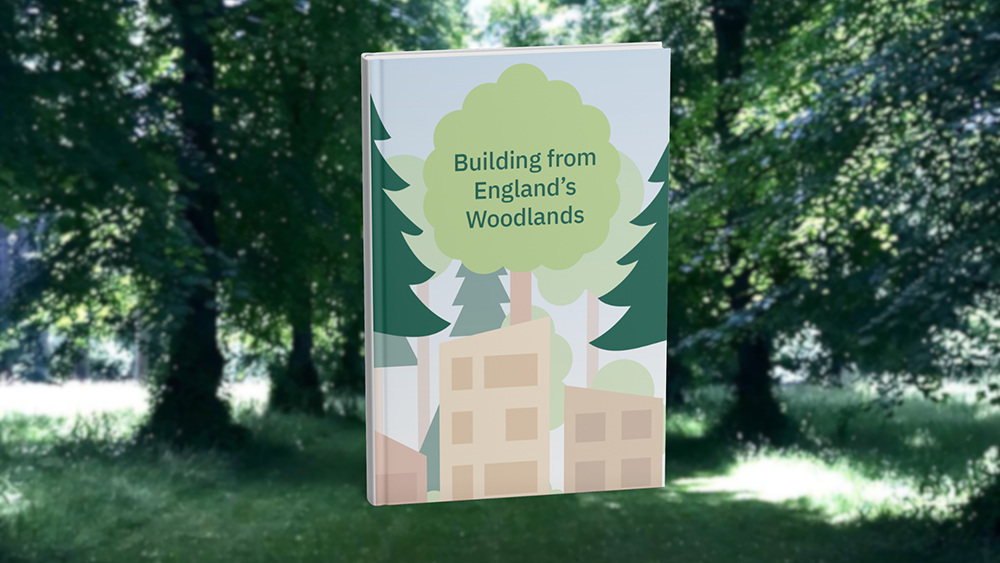
A pioneering research initiative has demonstrated that England’s underutilised deciduous broadleaf forests could play a transformative role in delivering low-carbon buildings, supporting biodiversity, and strengthening domestic supply chains.
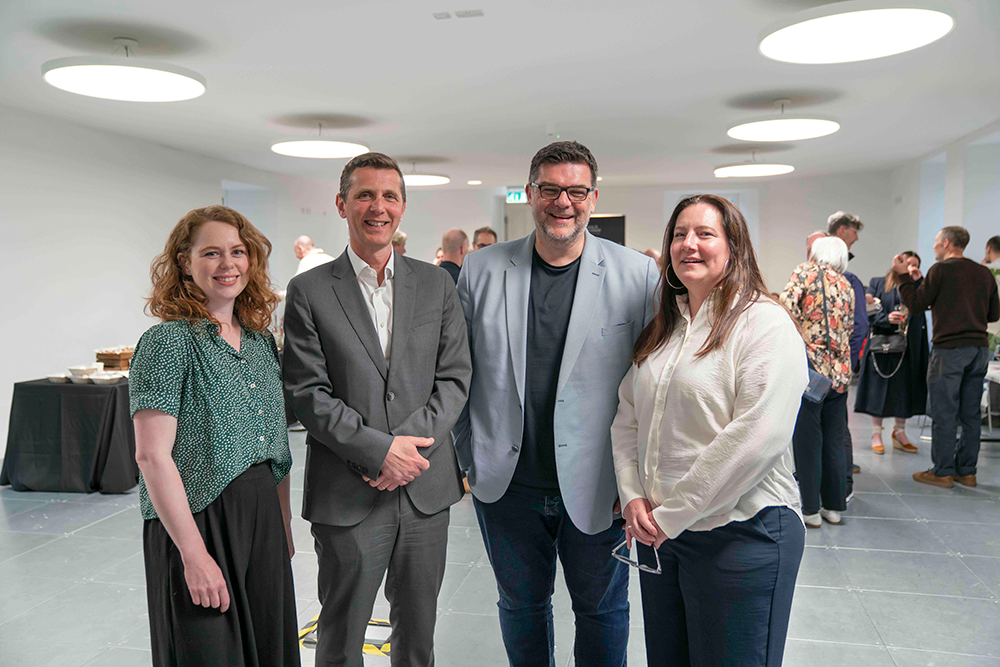
Architecture and Design Scotland outlines business plan, announces strategic partnerships and previews pop-up exhibitions space.
The Accelerate to Zero Awards are back for their fourth year to recognise the businesses, organisations, and individuals making the most significant contributions to decarbonising the built environment and supporting the just transition to a zero carbon built environment.
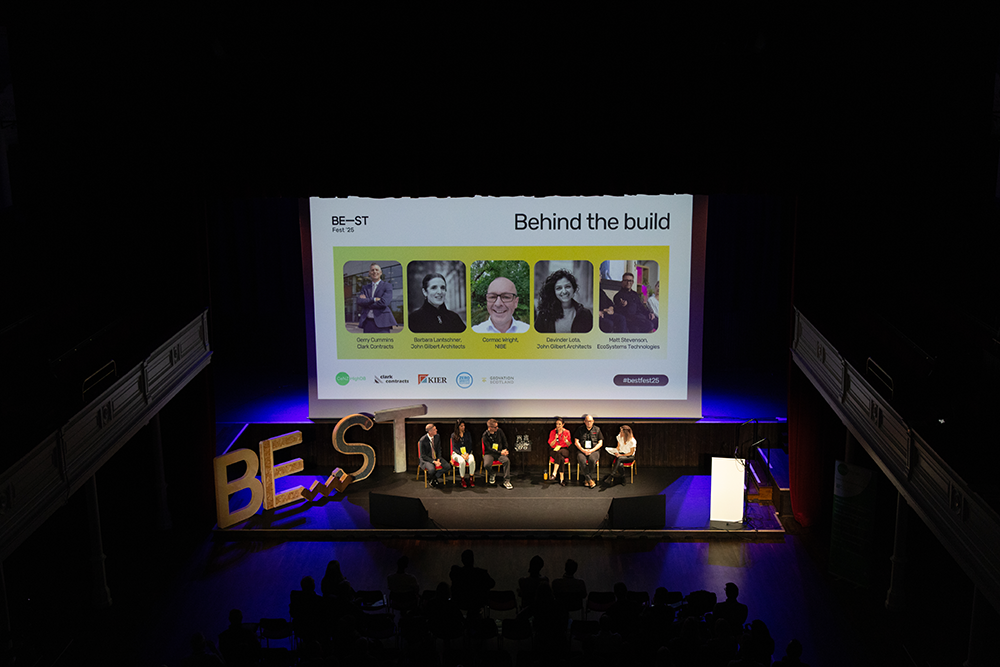
For the past five years, industry leaders, policymakers, innovators and practitioners have travelled to Glasgow for BE-ST Fest. In 2026, the festival evolves into a new regional format with four individual full-day summits taking place across Scotland, creating more opportunities for local collaboration, discussion and action.

A major new industry training programme designed to accelerate the use of timber in construction across the UK has officially launched at Futurebuild 2026, backed by the Construction Industry Training Board (CITB).
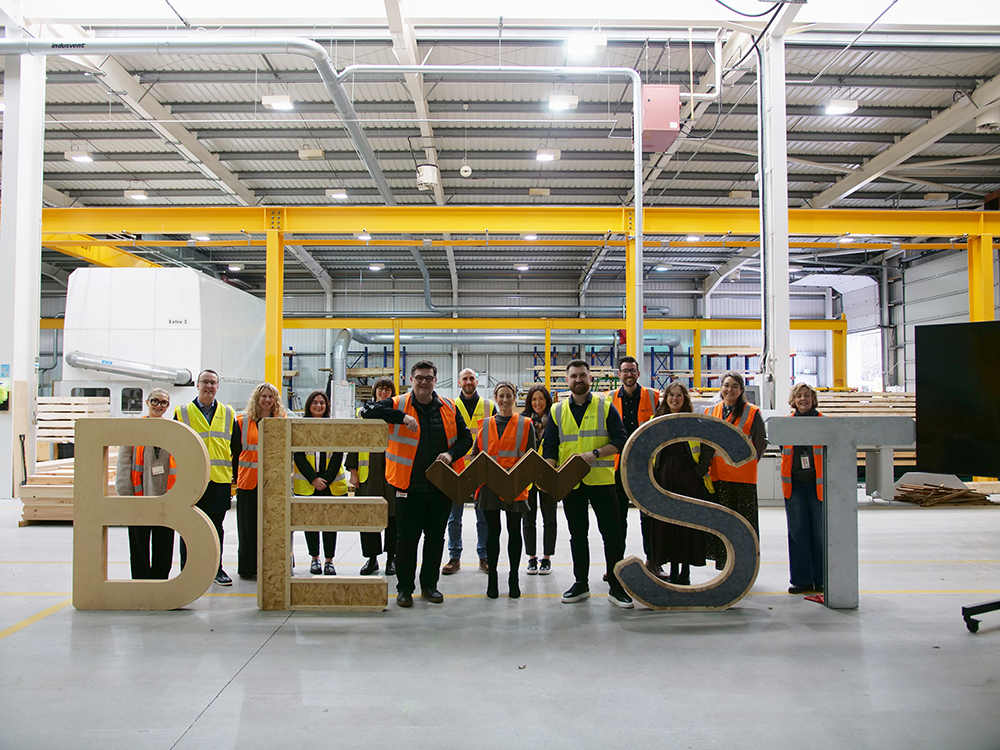
BE-ST and Carbon Futures have announced a new strategic partnership designed to combine their respective strengths and deliver greater impact on their shared mission to accelerate the decarbonisation of the built environment.
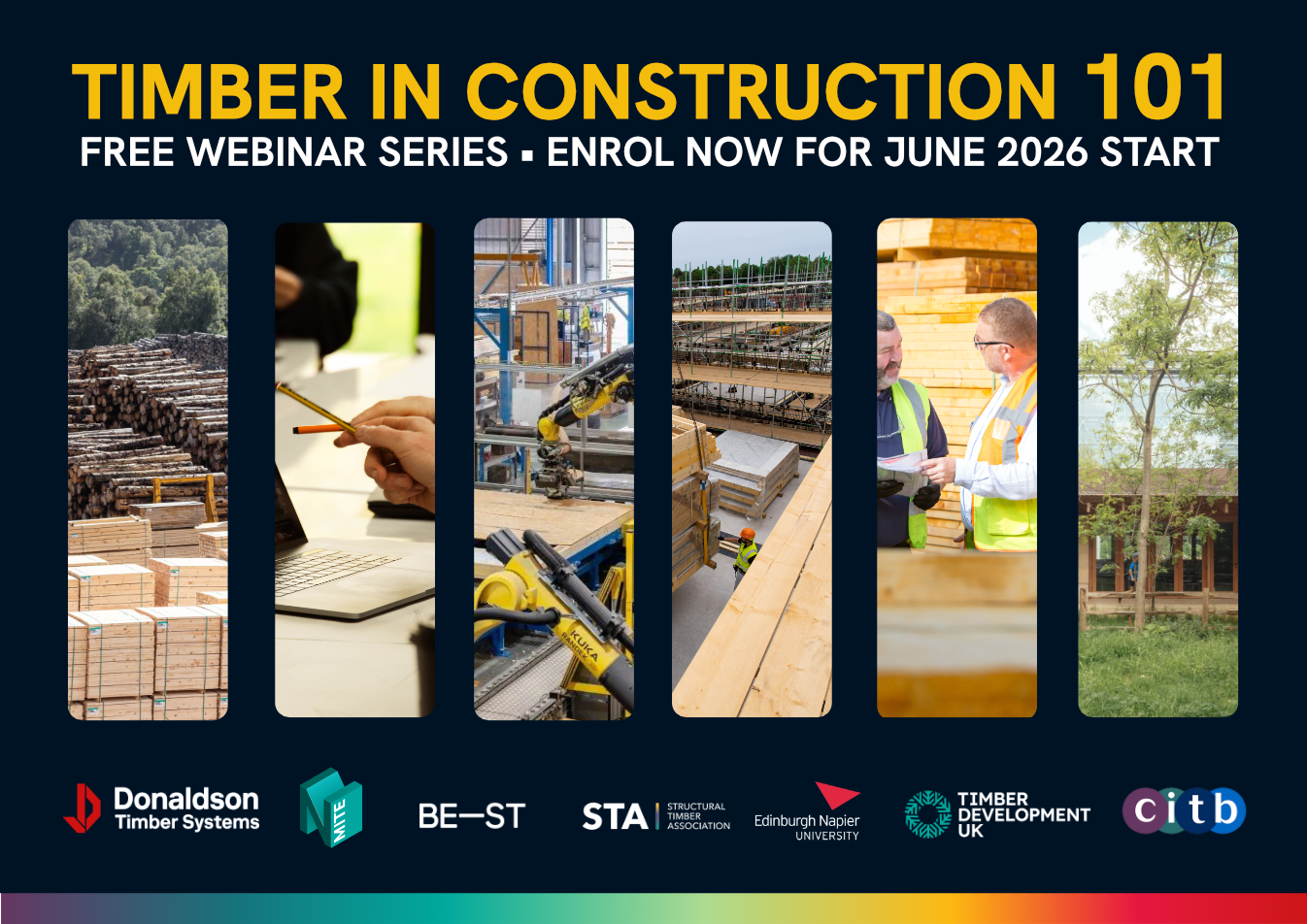
In support of a major new initiative, the Timber in Construction Skills Programme, a new series of webinars has been launched to equip the industry with essential skills – Timber in Construction 101 – completely free for anyone interested in using timber.
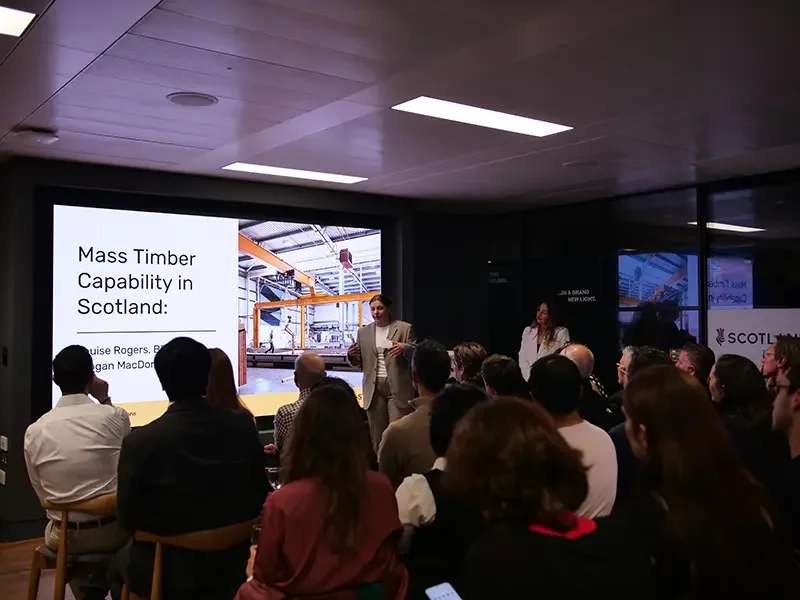
Built Environment – Smarter Transformation (BE-ST), Scotland’s innovation centre for construction and the built environment, has delivered a three-day programme of activities as part of and alongside Futurebuild and UK Construction Week 2026 in London.
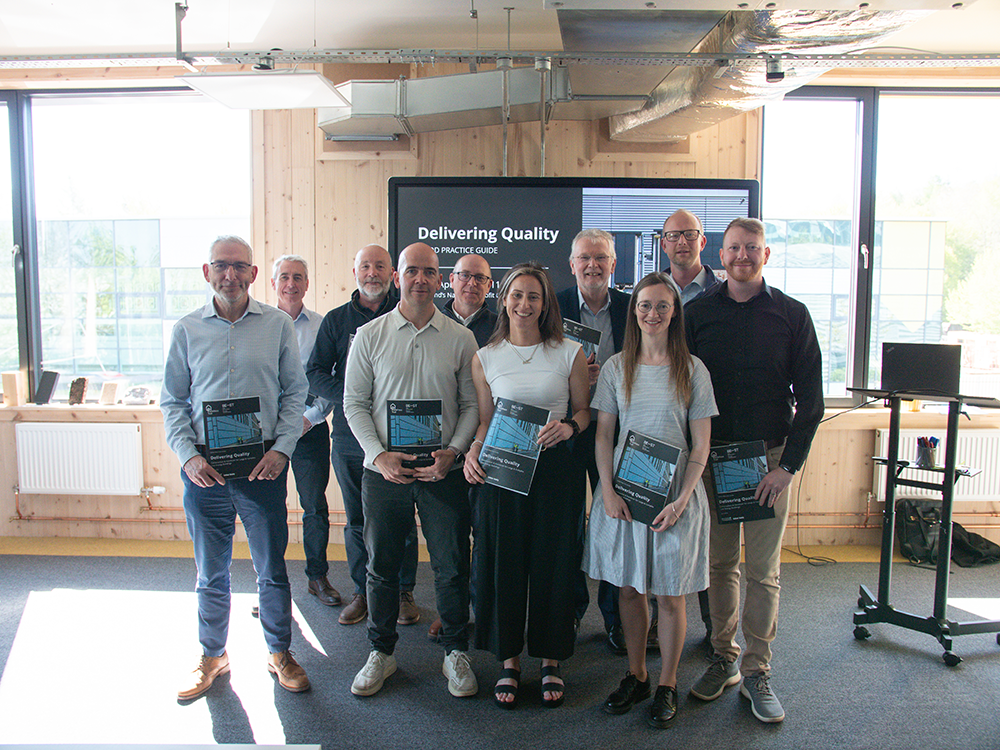
The paper, Delivering Quality, stems from a joint collaboration between Passivhaus Trust (PHT) and BE-ST and has been developed by Tier 1 contractors (T1C) and key stakeholders.

Sustainable drainage systems (SuDS) play a vital role in managing surface water and reducing flood risk. Over time, however, metals and other contaminants can build up in SuDS soils, potentially affecting how well they perform and shortening their lifespan.
A new report published today sets out how Scotland can strengthen the flow of new entrants into the construction and built environment workforce, helping ensure the sector has the people and skills needed to deliver against the country’s future ambitions.
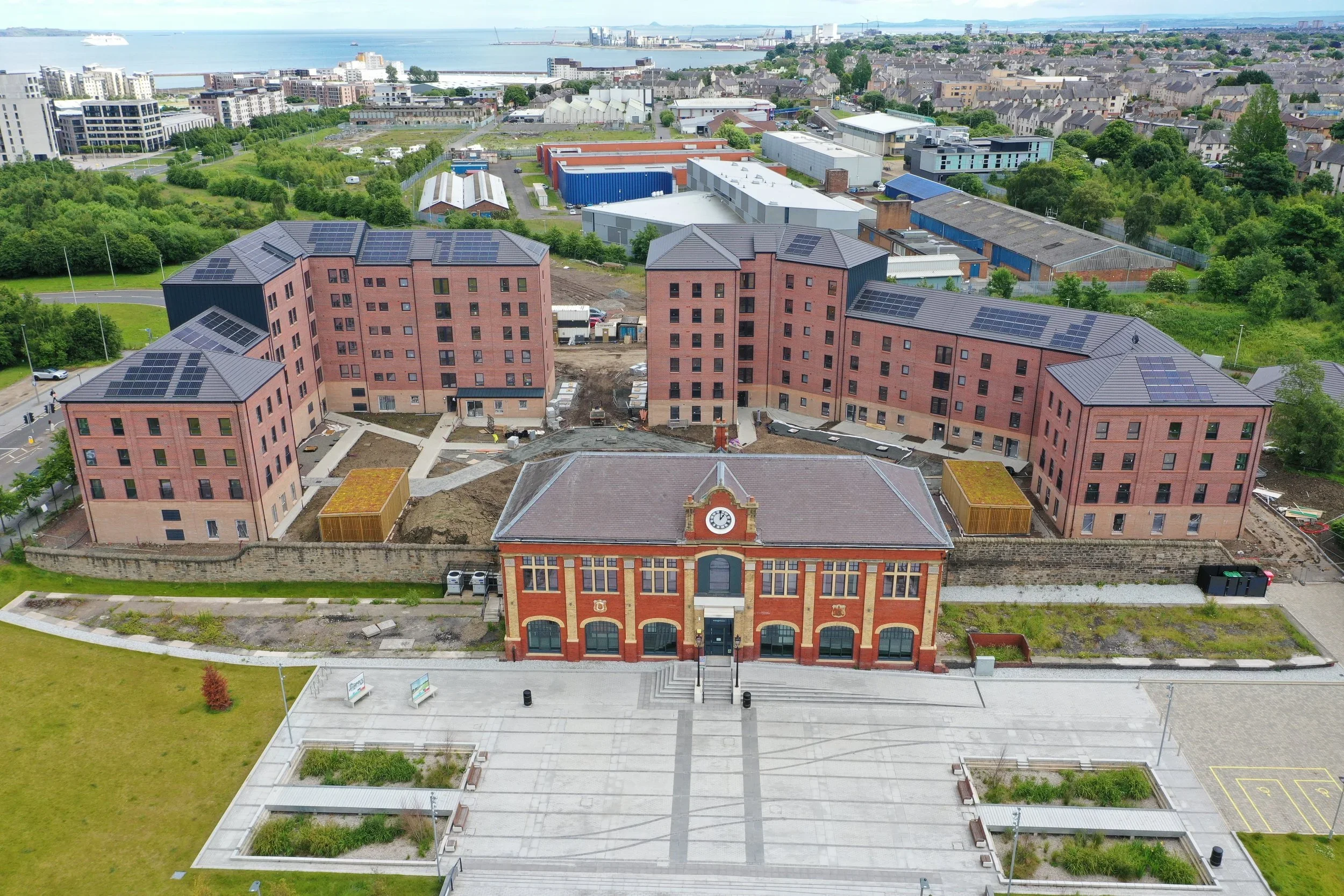
Scotland’s housing emergency is often discussed in terms of ambition or funding. Yet as efforts to increase supply gather pace, the real challenge is often delivery: planning and regulation, cost certainty and a fragmented system where projects rarely build on one another.
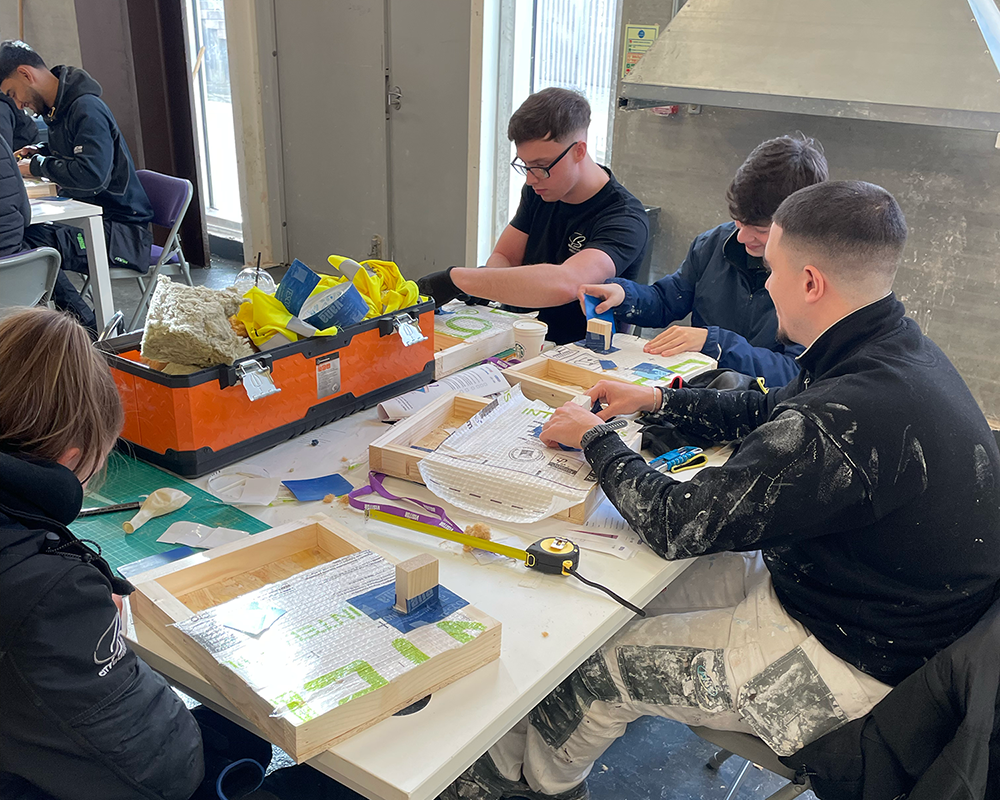
To mark Scottish Apprenticeship Week 2026, BE-ST has delivered an intensive programme of specialist training to more than 140 apprentices and pre-apprentices this week in Glasgow and Dumfries & Galloway to build the skills needed for Scotland’s low carbon future.
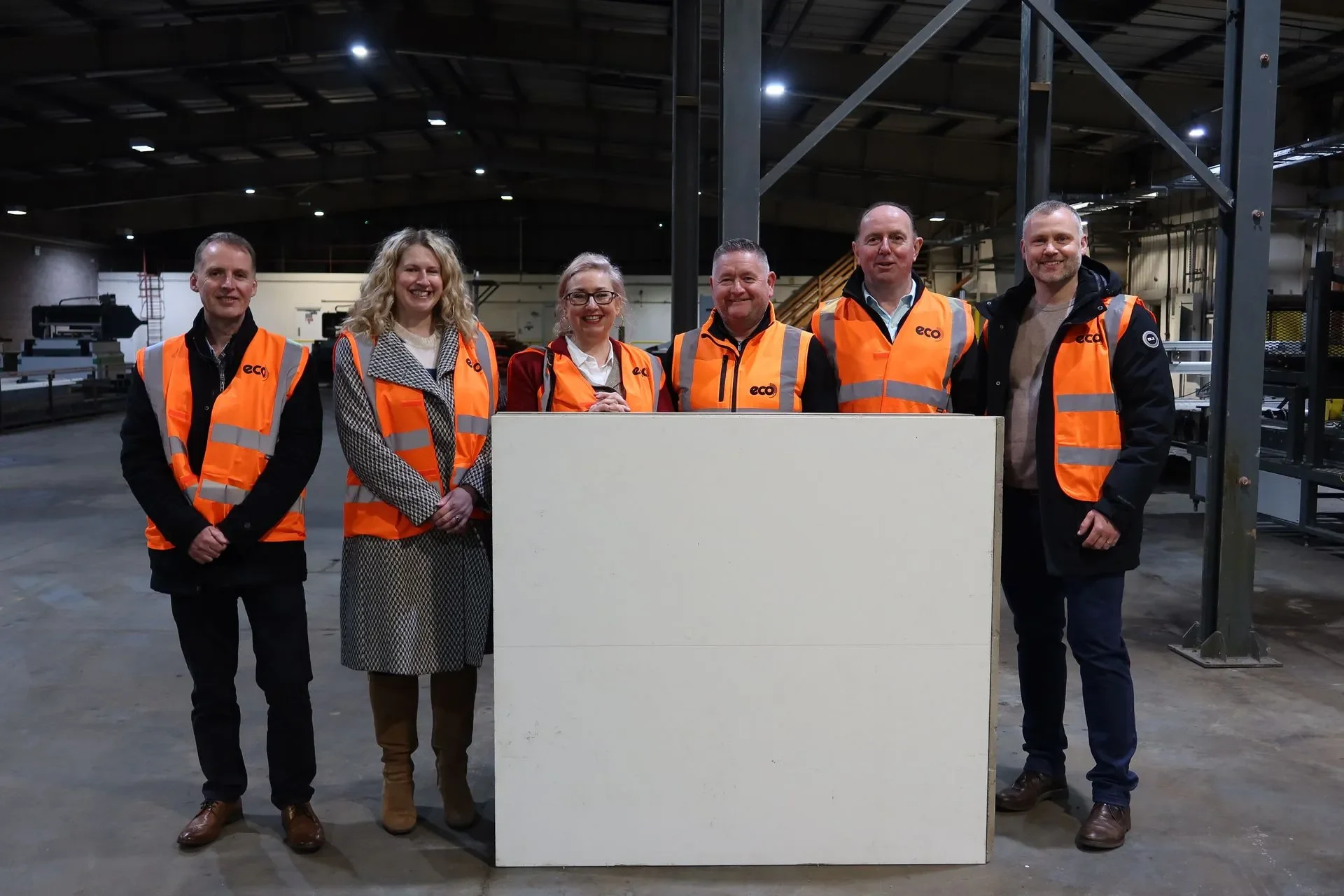
A major disruptor in the UK construction sector, based in the South of Scotland, is benefitting from a £330,000 grant to propel its pioneering recycled‑glass building technology.
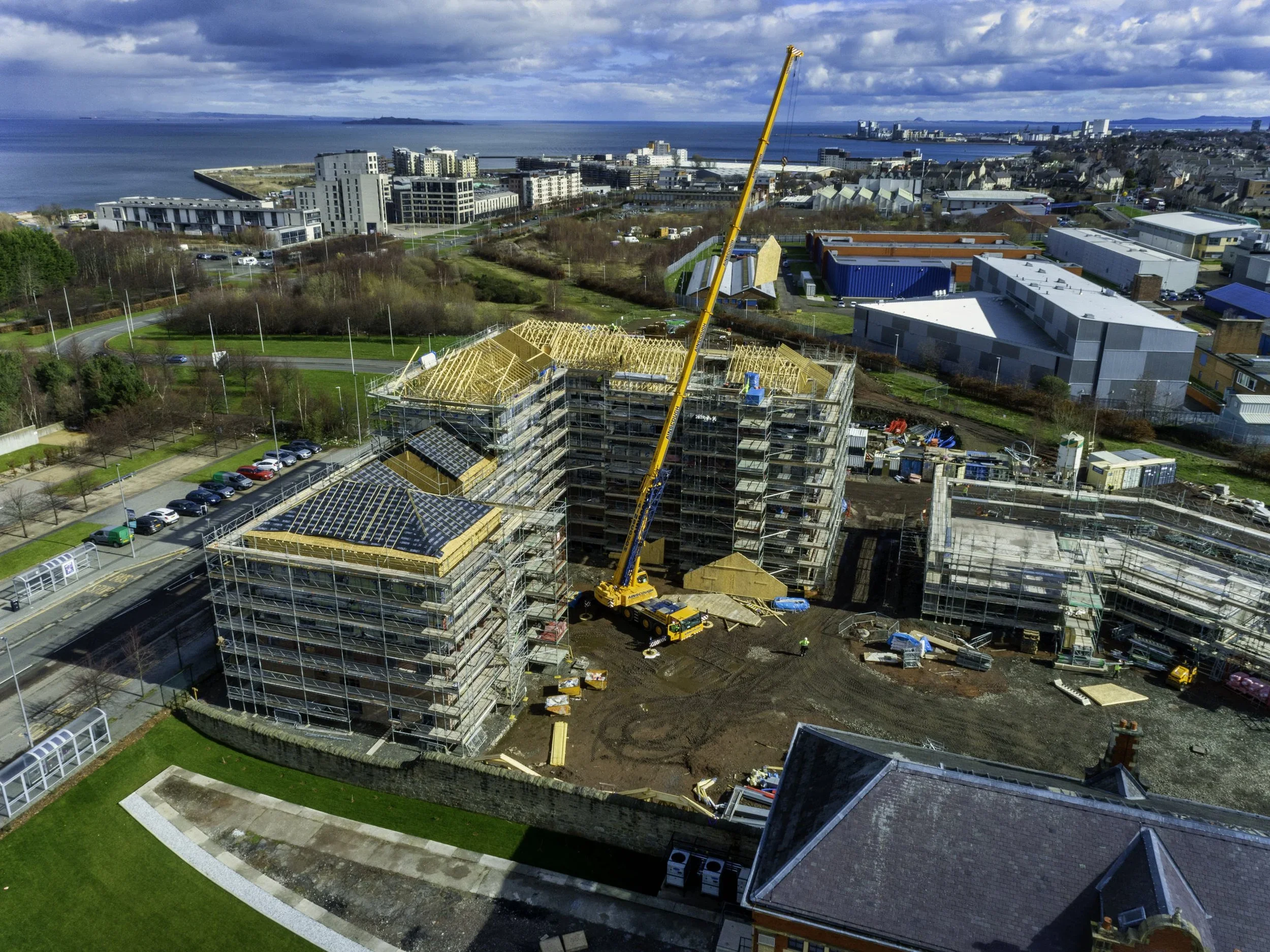
The Scottish Government has announced More Homes Scotland, a new housing agency. This is an exciting announcement and a significant step forward for creating the mechanisms we need to overcome Scotland’s housing emergency which was declared in May 2024.
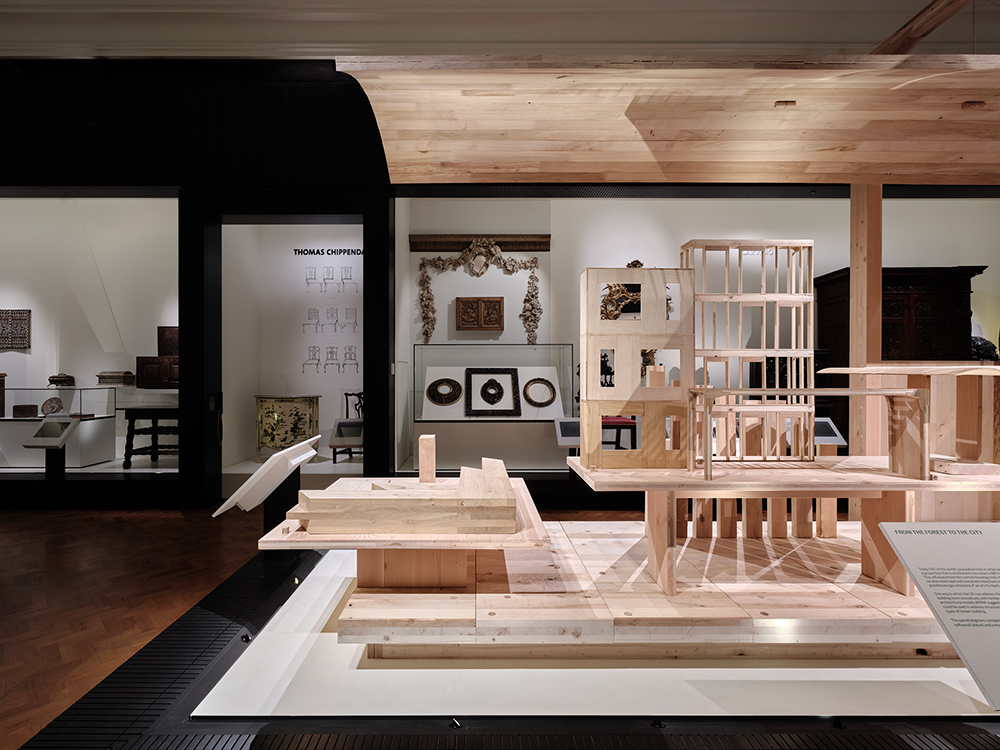
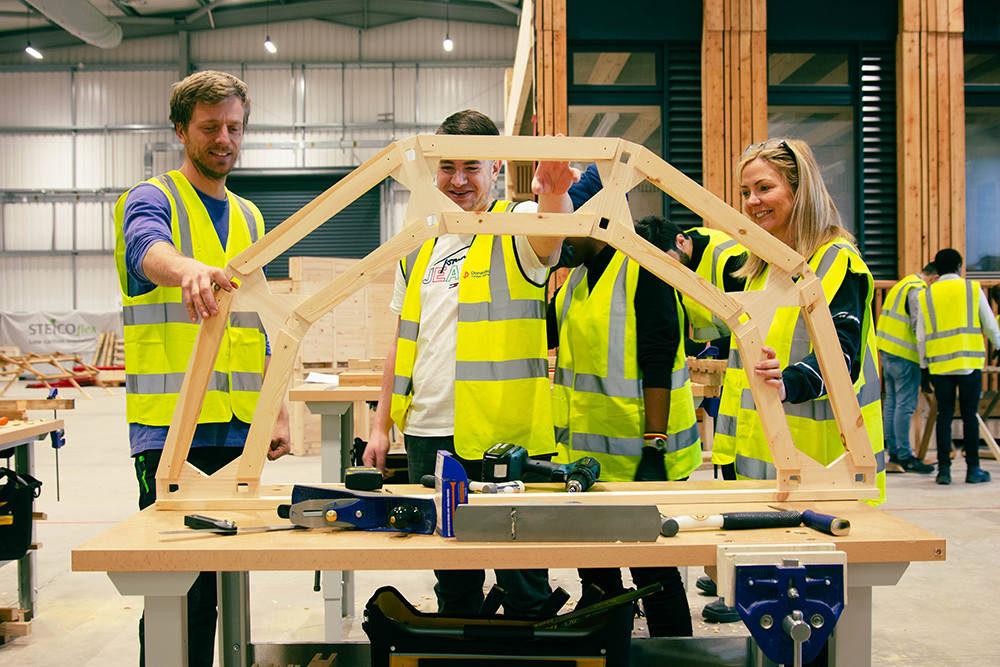
The Construction Industry Training Board (CITB) has awarded £430k from its flagship Industry Impact Fund to develop a comprehensive industry training programme to accelerate timber construction in the UK.

ASBP and BE-ST announce strategic partnership to drive sustainable transformation in the built environment across the UK.
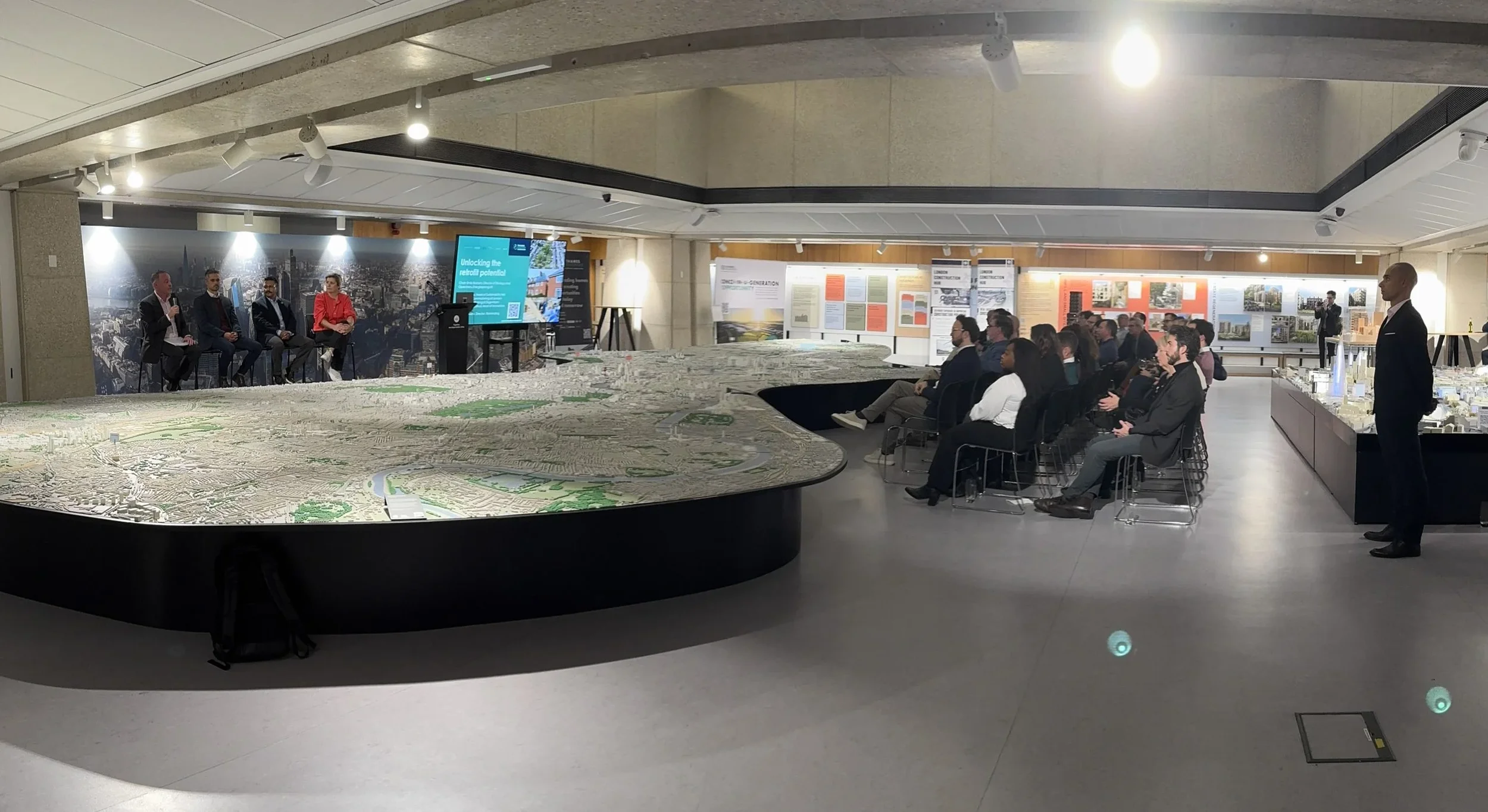
Thames Freeport launches Sustainable Construction Lab as first retrofit works begin on the Becontree Estate.

The UK’s leading and largest construction show is back at Olympia London on November 19th and 20th, and it’s breaking all records!
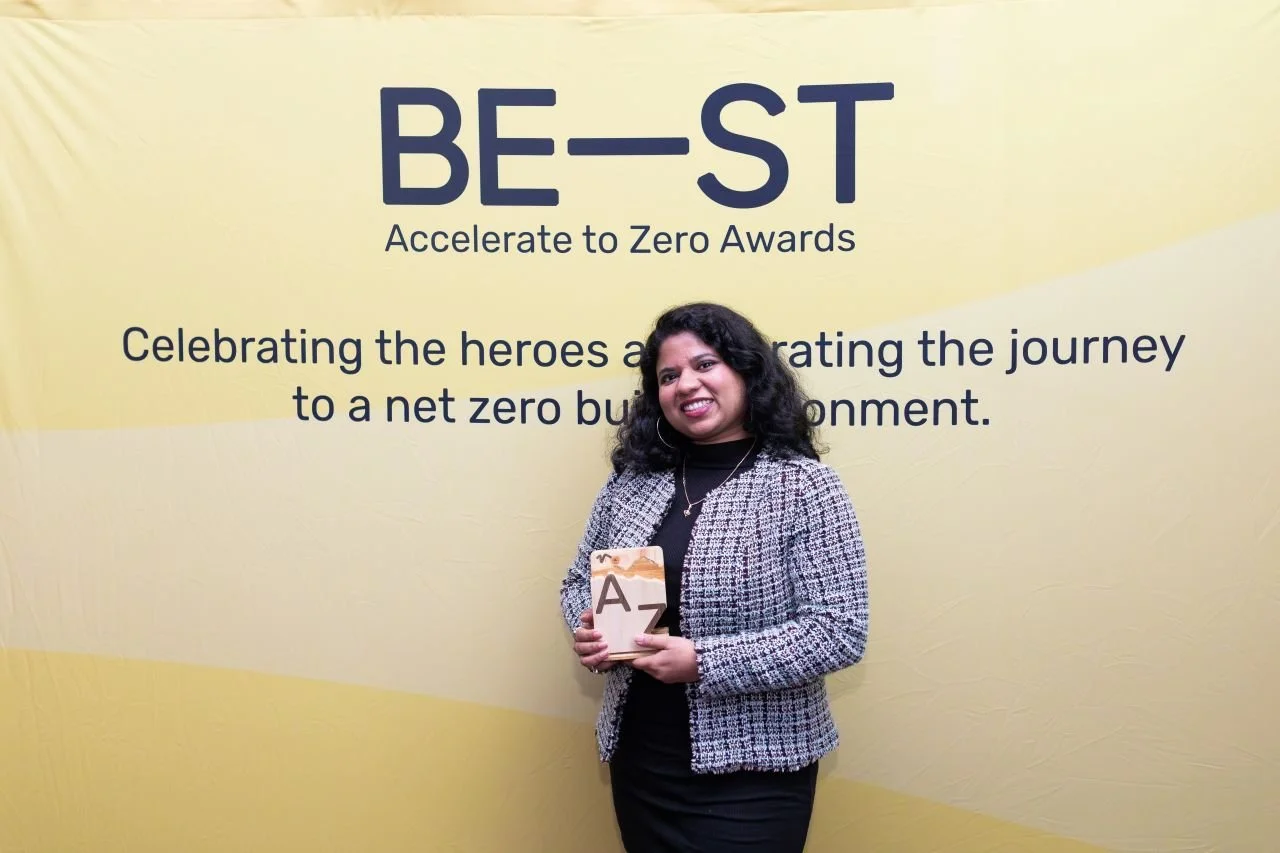
Gayatri Vijay Kale was awarded the BE Changemaker Award at the Accelerate to Zero Awards 2025.
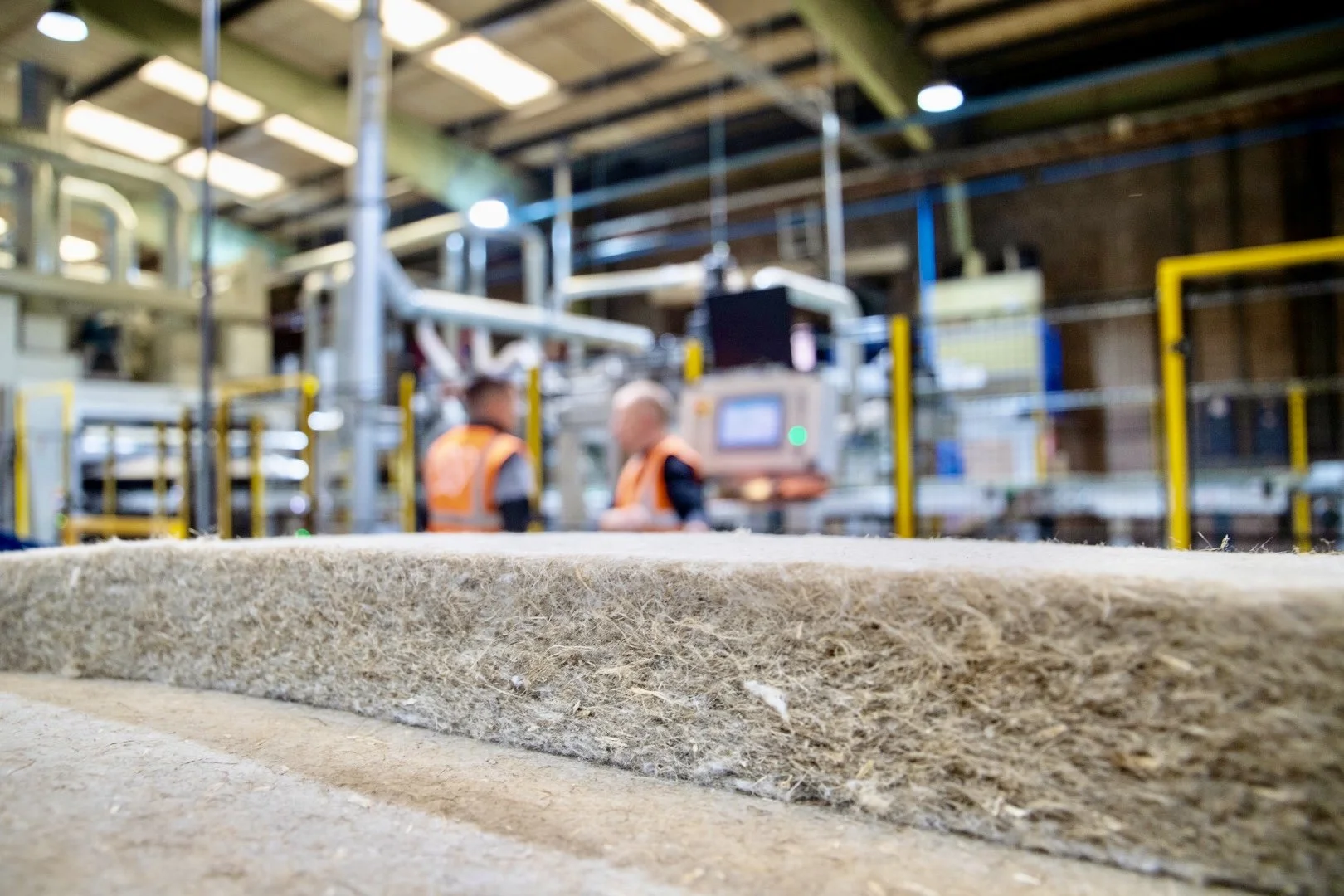
Based in the Scottish Borders, IndiNature is the UK's only dedicated manufacturer of natural fibre insulation made from industrial hemp. Their products, IndiTherm and IndiBreathe Flex, are carbon-negative, non-toxic, and designed to be removed, reused, or returned for recycling at the end of their service life.
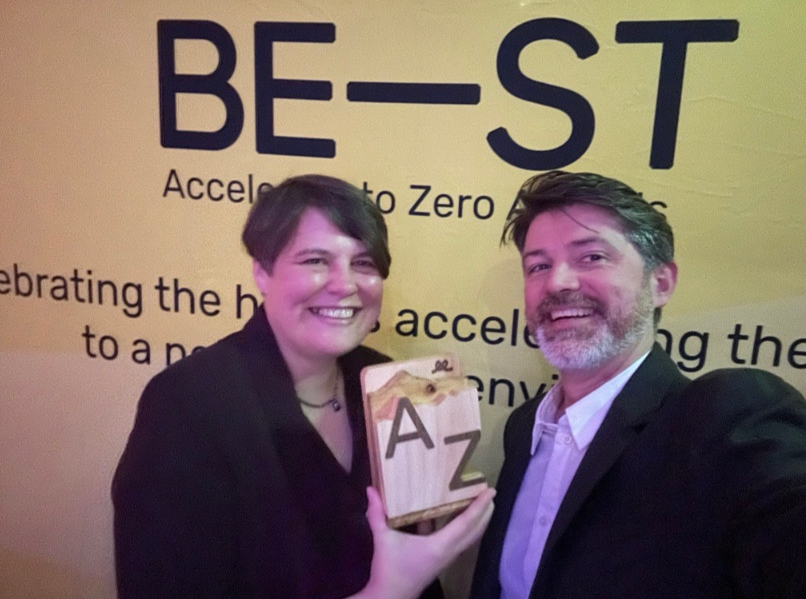
Changeworks is a Scottish social enterprise on a mission to decarbonise 180,000 homes by 2030. Their work sits at the intersection of climate action and social justice, and their approach to equality, diversity and inclusion (EDI) reflects that same dual commitment.

Matthew Clubb is an Aberdeen-based director of mwclubb, a practice specialising in low-energy architecture and the retrofit of existing buildings. A former oil and gas engineer, Clubb transitioned into architecture after a personal journey into climate science that left him shocked by the severity of the climate crisis.
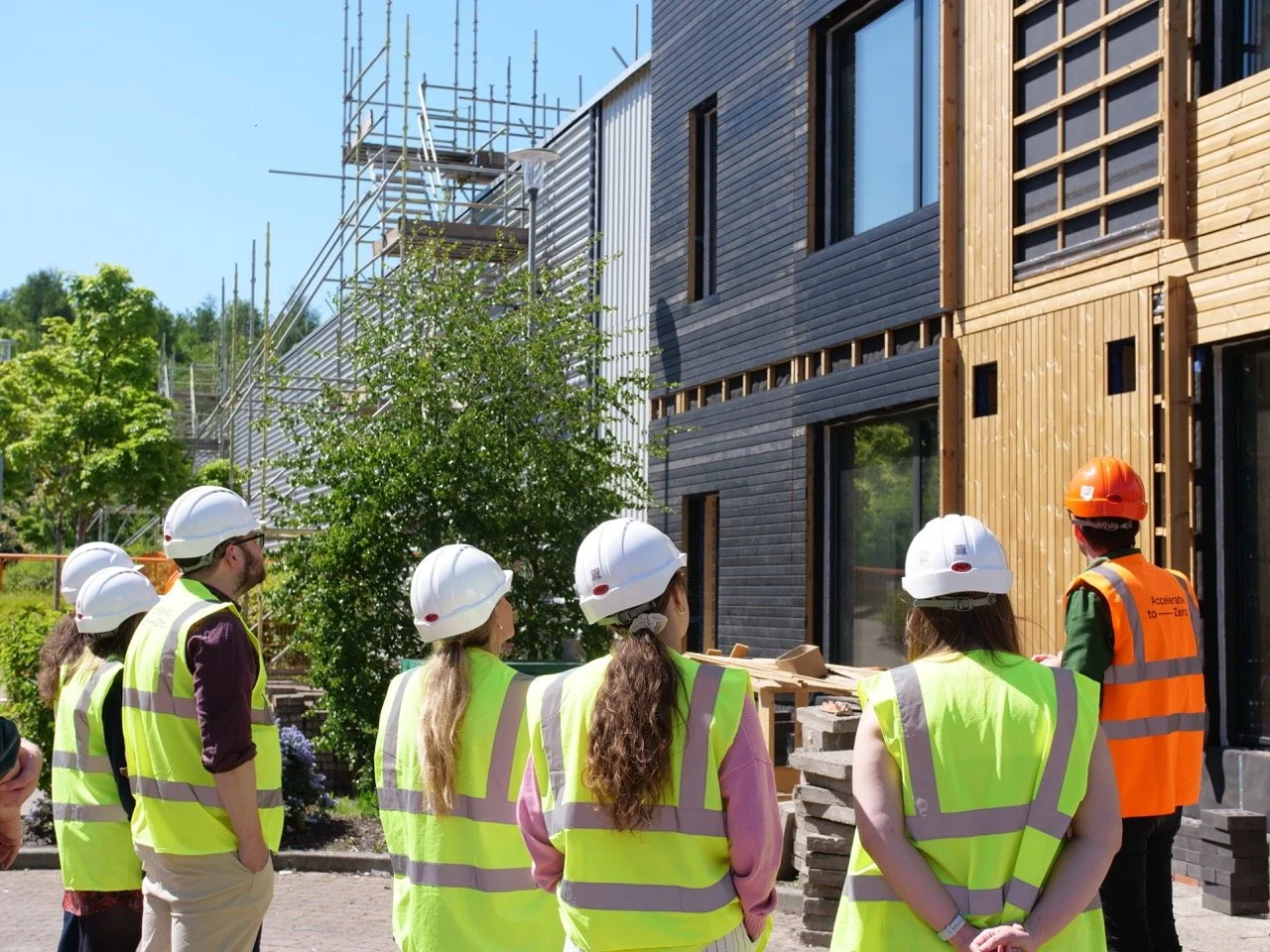

The first example of curved Cross Laminated Timber (CLT) made from English timber demonstrates the benefits of building from UK-sourced wood to over 3.1m visitors per year.
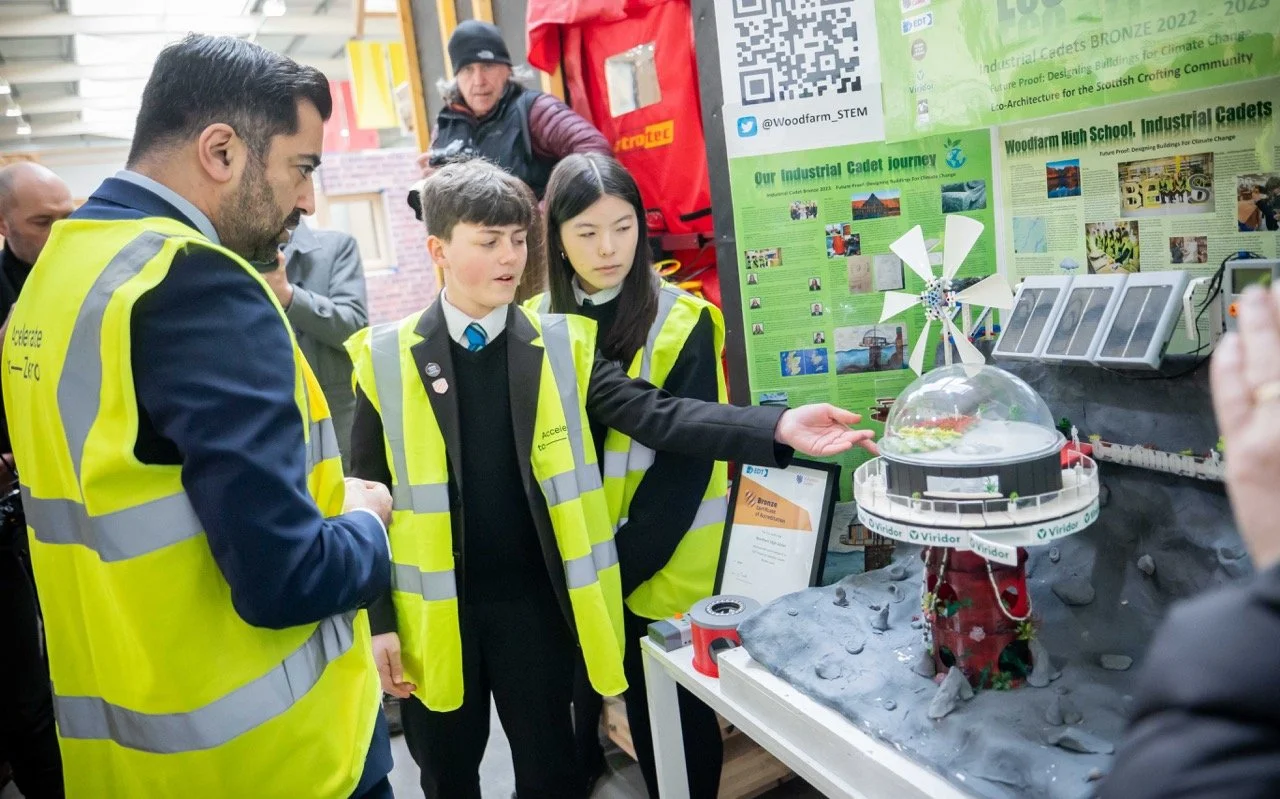
For the past four years, BE-ST has acted as an industry mentor through the Engineering Development Trust’s (EDT) Industrial Cadets programme, working closely with pupils from Woodfarm High School on STEM-related industrial challenges.

Energy Saving Trust runs the Green Heat Installer Engagement Programme, which provides support for businesses in Scotland to help them to participate fully and effectively in the supply chain for clean heat, energy efficiency and microgeneration installations.

Hub West Scotland is a private sector development company who work in partnership with the public sector in the West of Scotland. They were interested, not only in understanding how best to develop these strategies across large, varied estates, but also how local authorities and other public bodies could benefit from working collaboratively to tackle this challenge, and so created the Net Zero Collaboration Group.
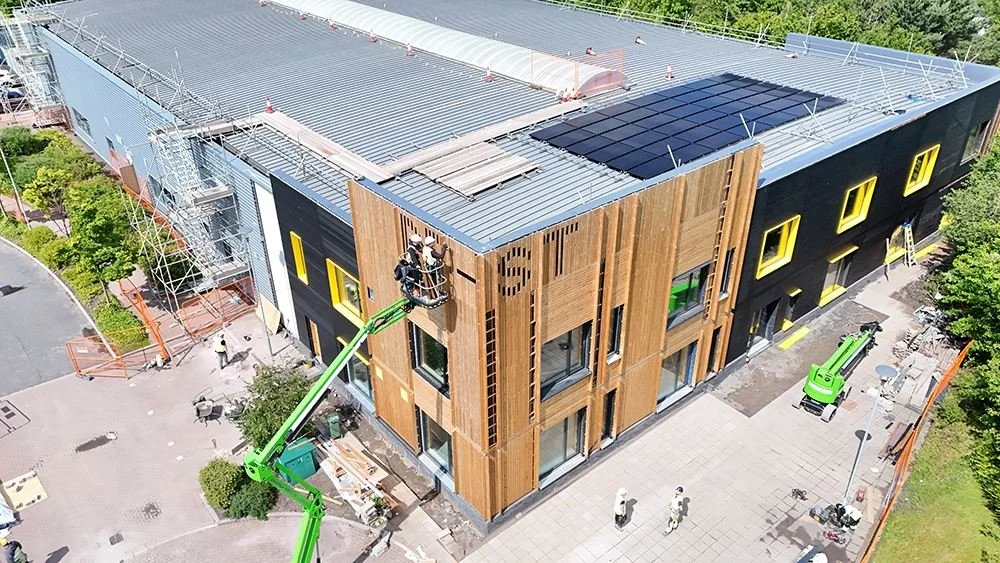
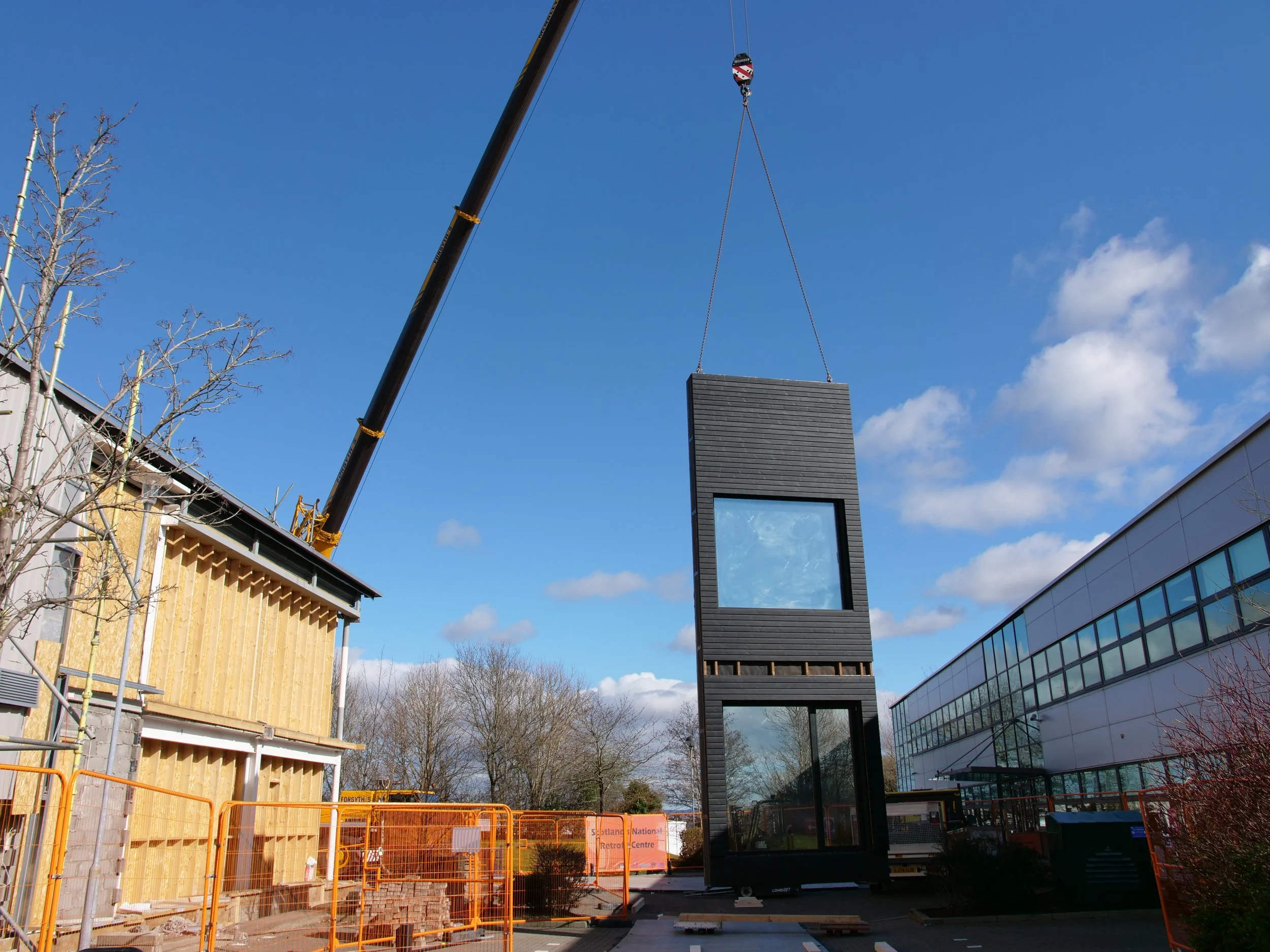
The first phase of work in the retrofit of Scotland’s National Retrofit Centre (SNRC) is now complete. But what has the project taught us, and what’s next?
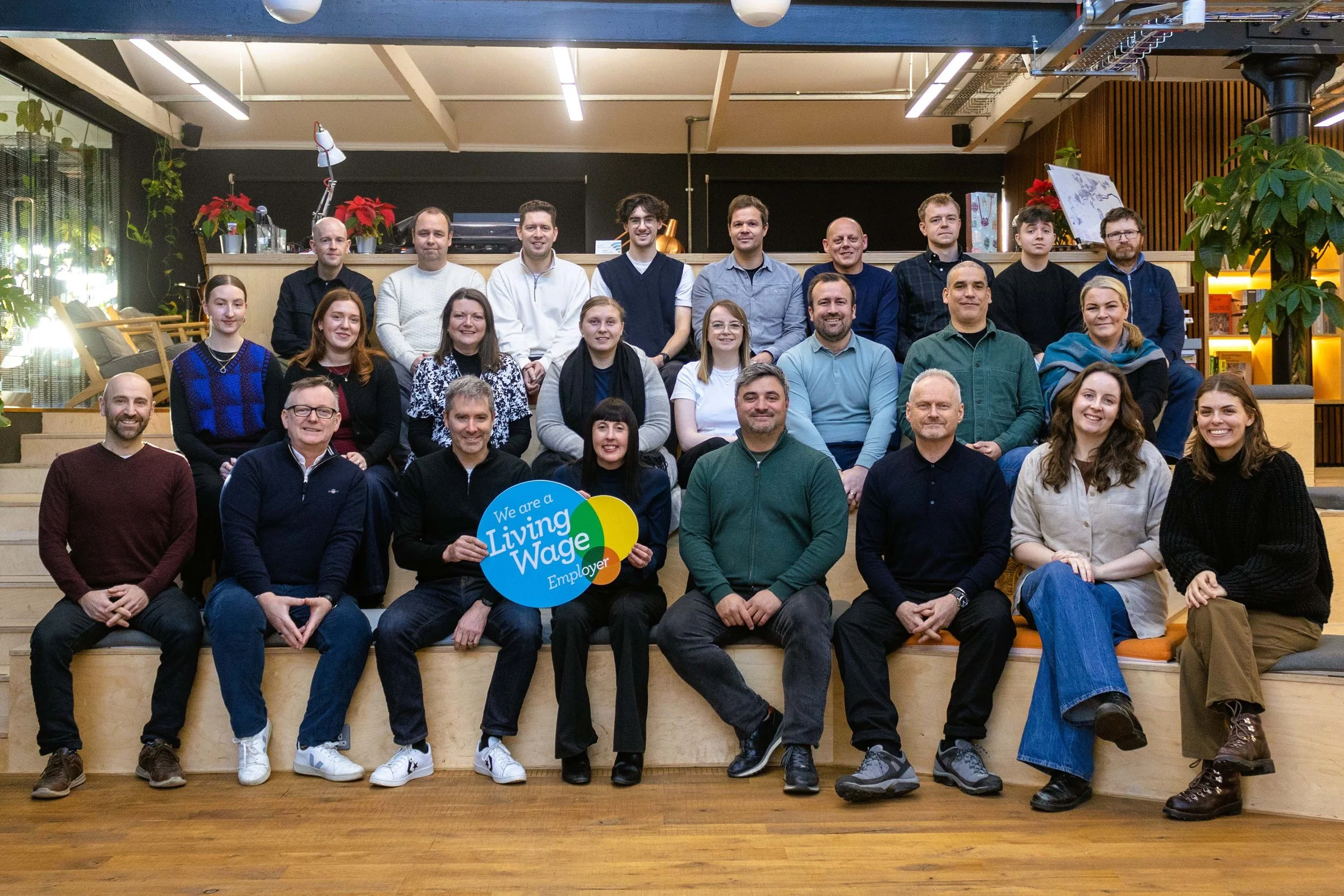
Winners of the 2024 Accelerate to Zero Diversity and Inclusion Award, Threesixty Architecture have been recognised for embedding equity, diversity and inclusion (EDI) across every level of their business, from internal culture to industry influence.
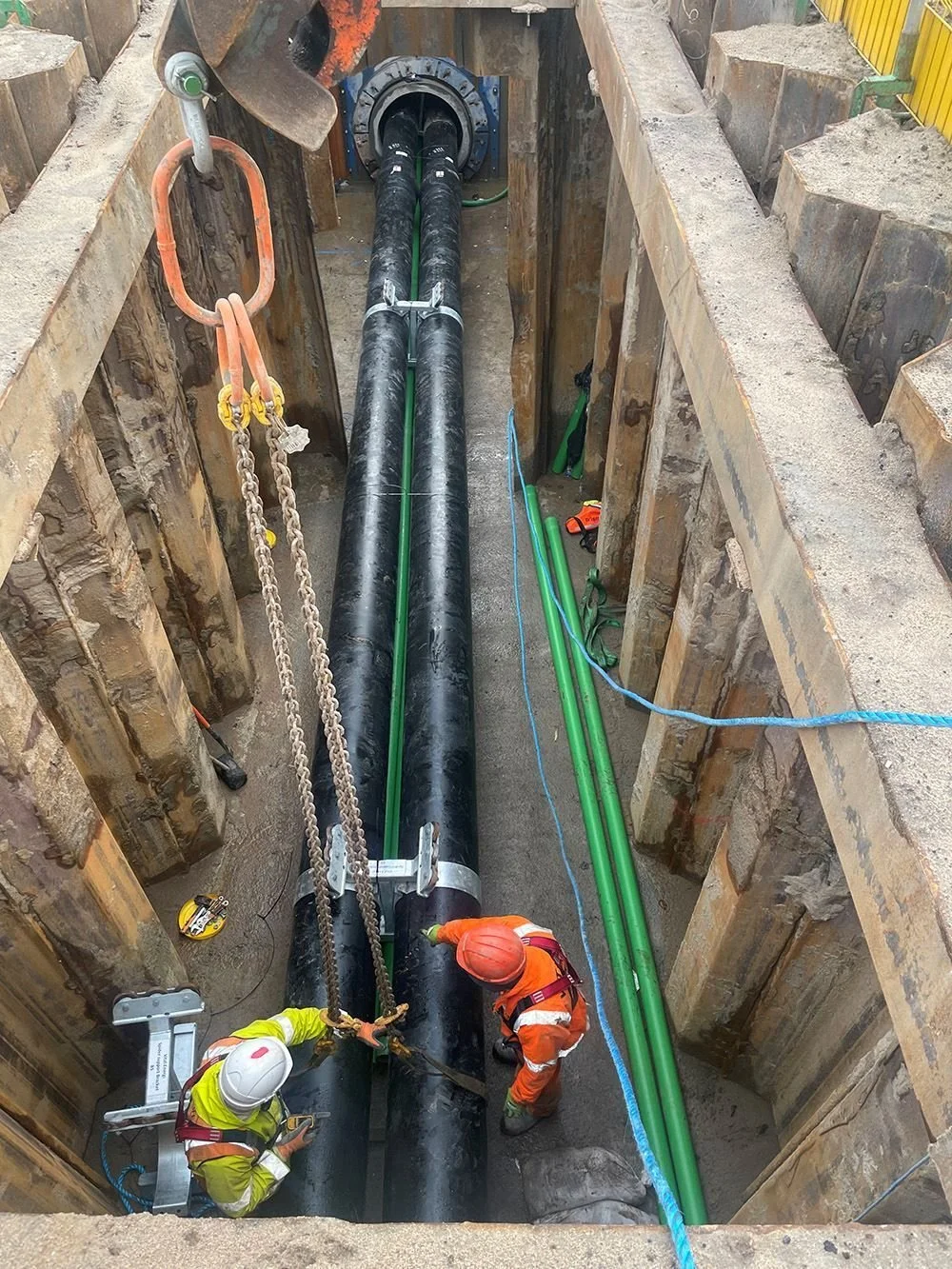
The Torry Heat Network in Aberdeen is a landmark project that demonstrates how retrofit heat networks can deliver both climate and social impact.

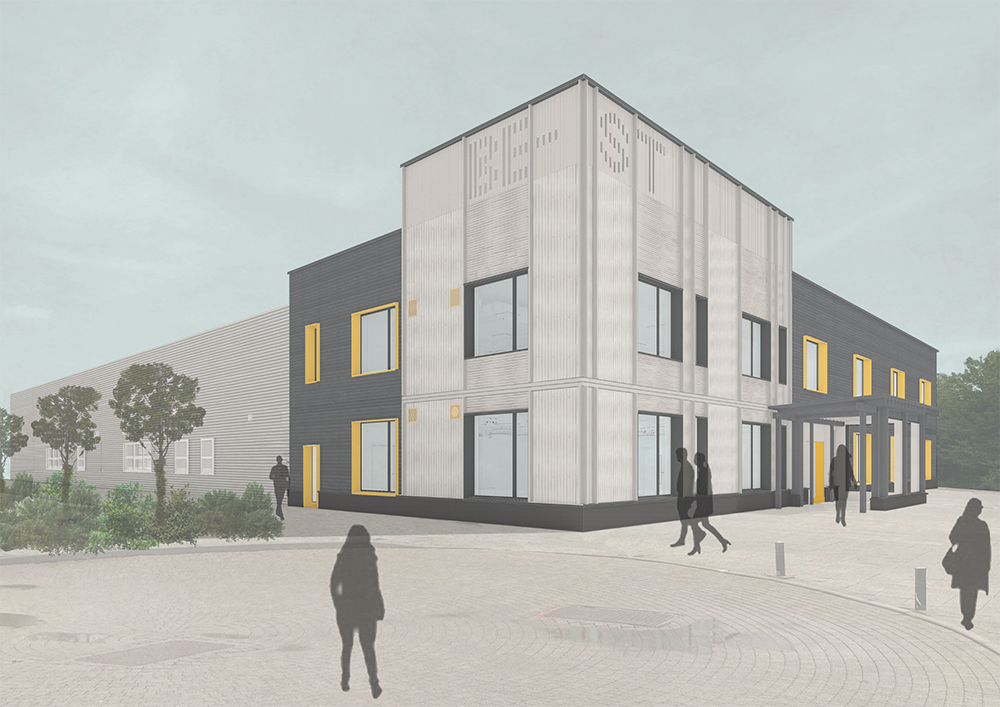
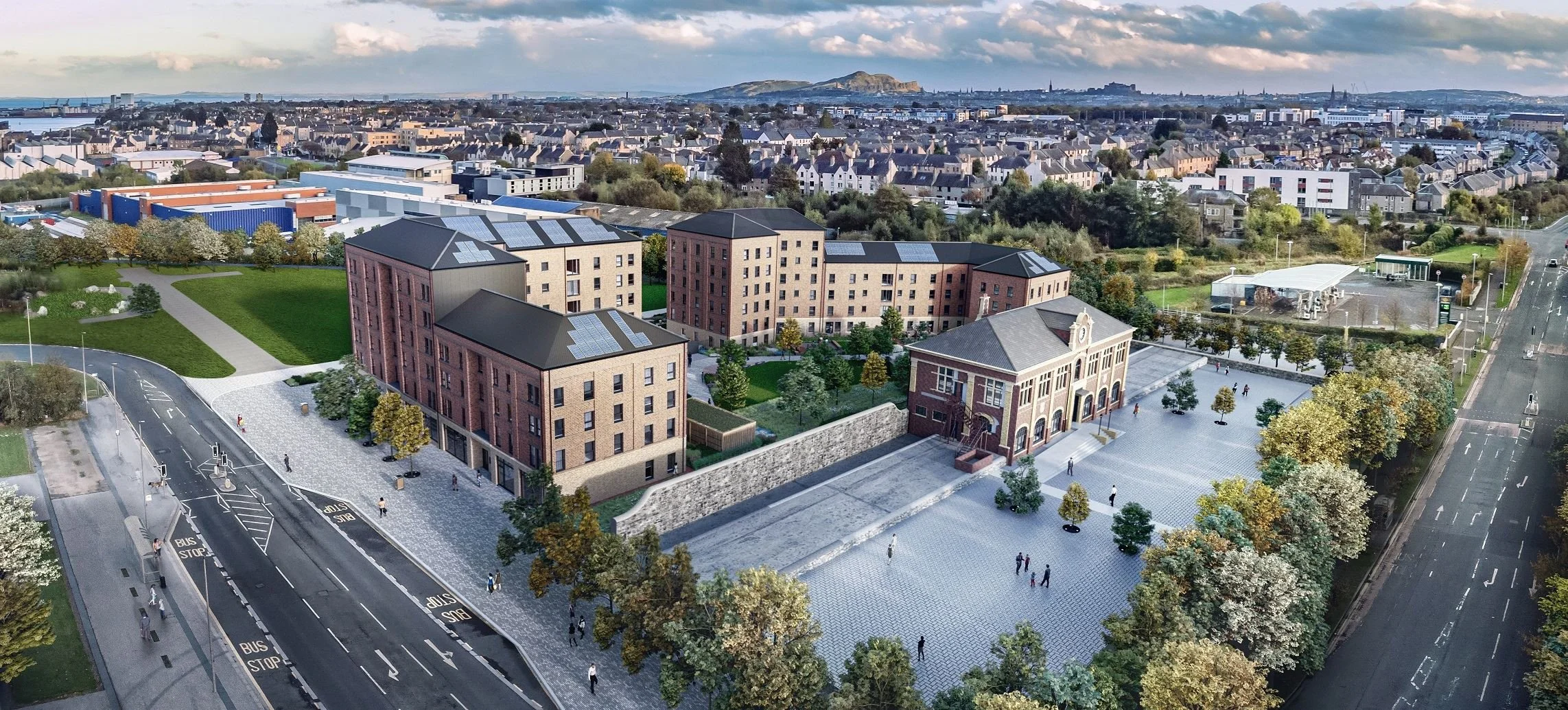
The Edinburgh Home Demonstrator – a new business model for affordable homes built to net zero standards using offsite construction.

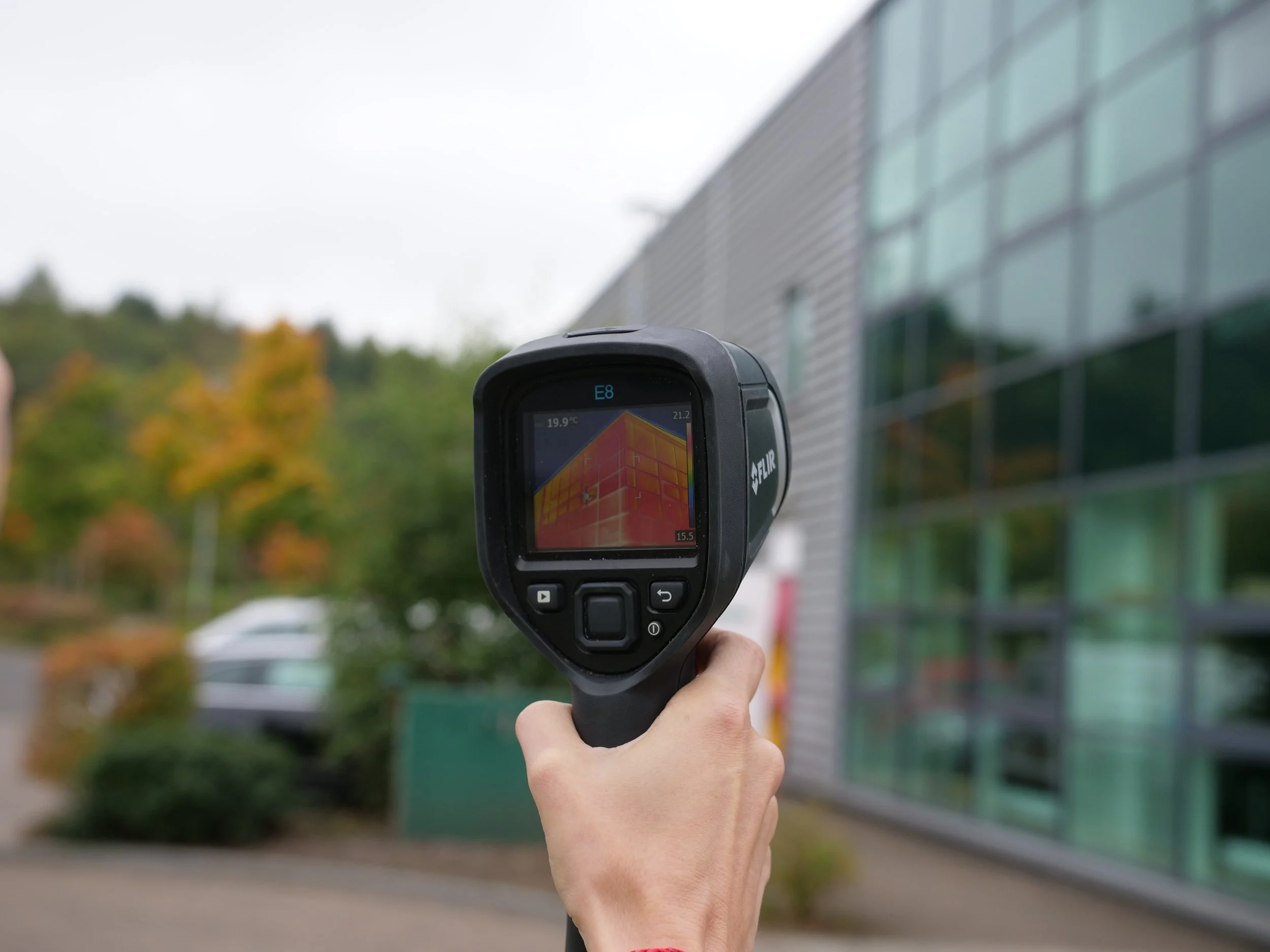

Get to know Sisaltech, a small but growing company passionate about creating a low-carbon future by producing sustainable building insulation made from sisal and wool.

CLIMAVORE CIC is on a mission to develop sustainable ways of living on and with the coast in response to the climate crisis.
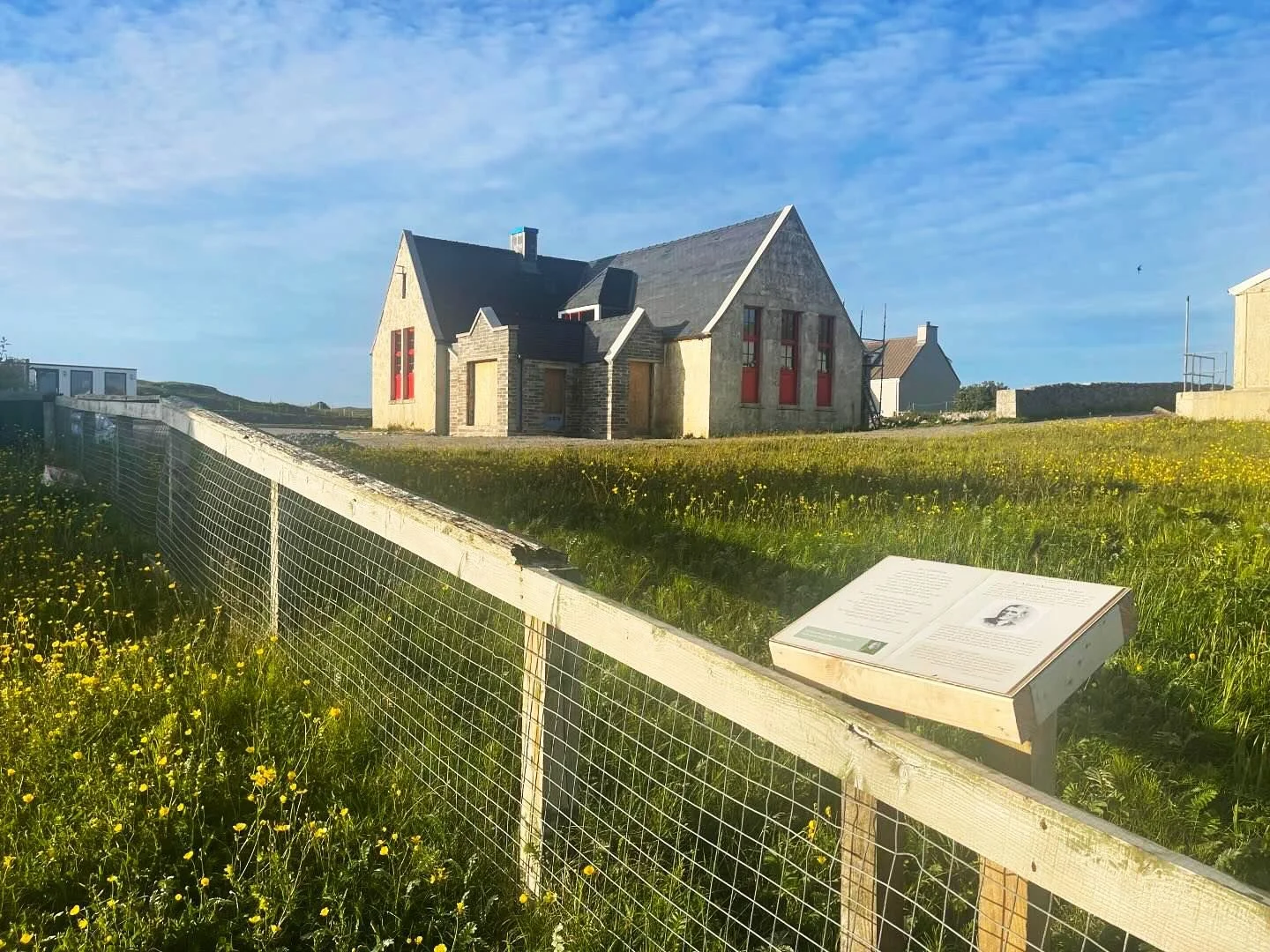
Eriskay Historical Society, a community-led group that is committed to preserving Eriskay's heritage. The group is transforming the island's old schoolhouse into a local heritage museum while putting sustainability, and people, at the heart of the development. The initiative is a shining example of the Just Transition in action.

VASO Build Limited provide ecological services across sectors with the intent of bringing wider benefits to society. They are looking to realise these benefits through Modern Methods of Construction (MMC) and a new sustainable panelling system.

Meet Brewster Brothers, a company shifting the way the construction and demolition industry in Scotland treats waste and consumes natural resources.

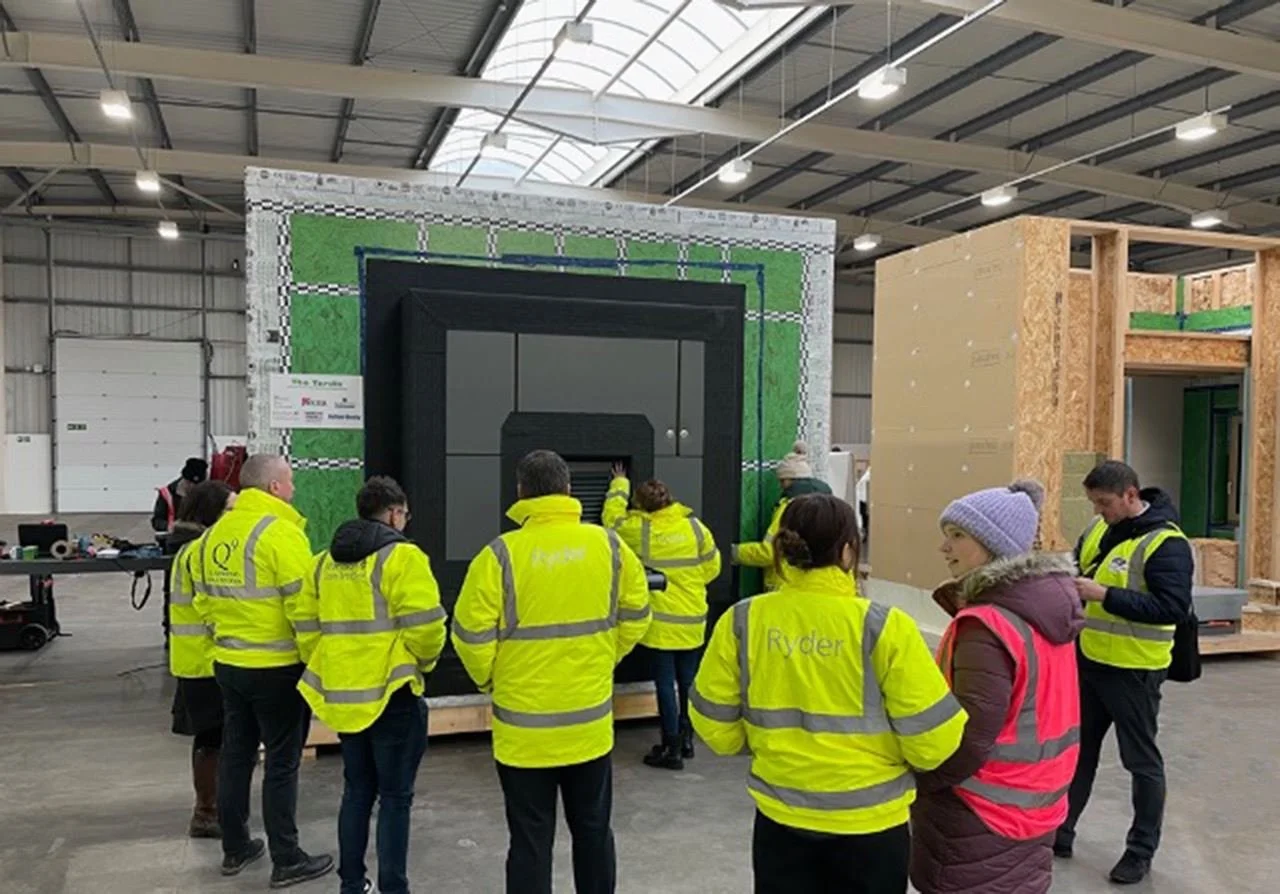
T1C collaborators Morrison Construction, Kier Construction, Balfour Beatty, Robertsons and Morgan Sindall, their supply chains and BE-ST, has built a box in BE-ST’s factory, aptly called the Tardis as there is more to it than meets the eye.

Social Bite, a charity and social business that aims to end homelessness, commissioned Ecosystems Technologies to deliver a new kind of housing for their Social Bite Village.

Chloë Yuill, a newly qualified Architect at ECD Architects, was the winner of the 2023 Change Maker Award at the Accelerate to Zero Awards for her significant commitment and contribution to solving the challenges faced in decarbonising the built environment.
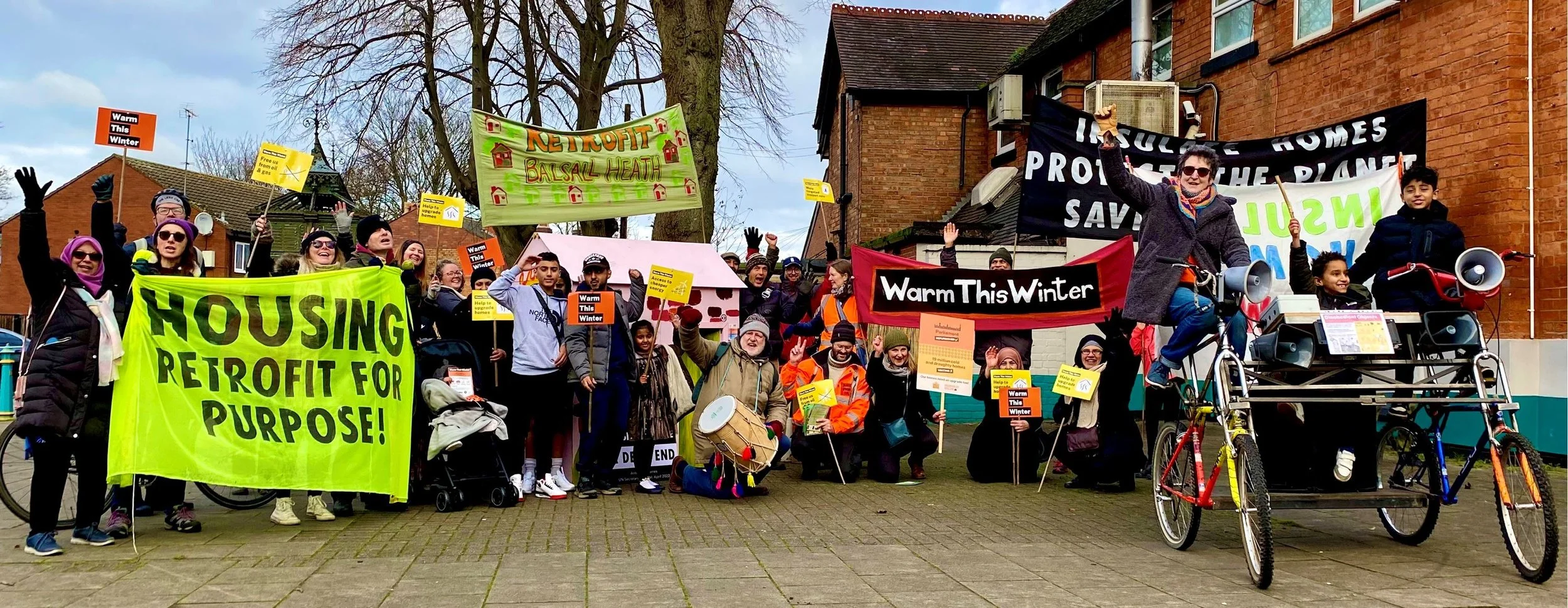
Retrofit Balsall Heath is a community-led neighbourhood project in the Balsall Heath area of Birmingham, made up of local people, community groups, and partners working together to retrofit the neighbourhood – possibly one of the first of its kind working at this scale.
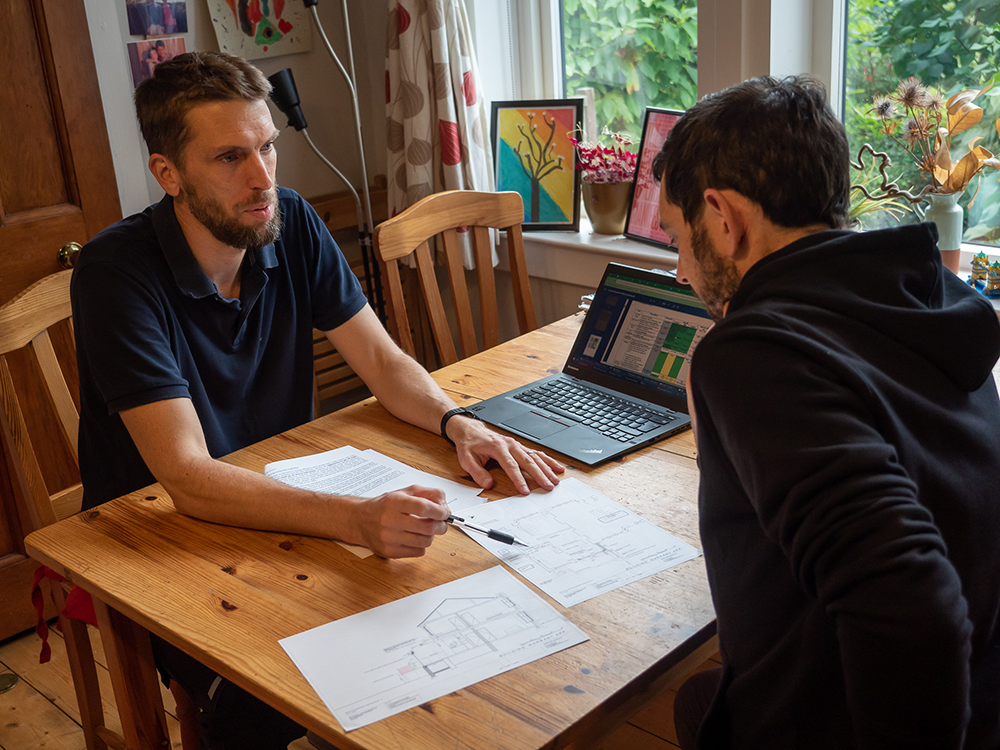
On the journey to net zero, community-based initiatives like Loco Home Retrofit are key. Founded by Chris Carus and Tom Nockolds, Loco Home Retrofit is a retrofit co-operative of homeowners, trades and buildings professionals working together to make homes in Glasgow more energy efficient.
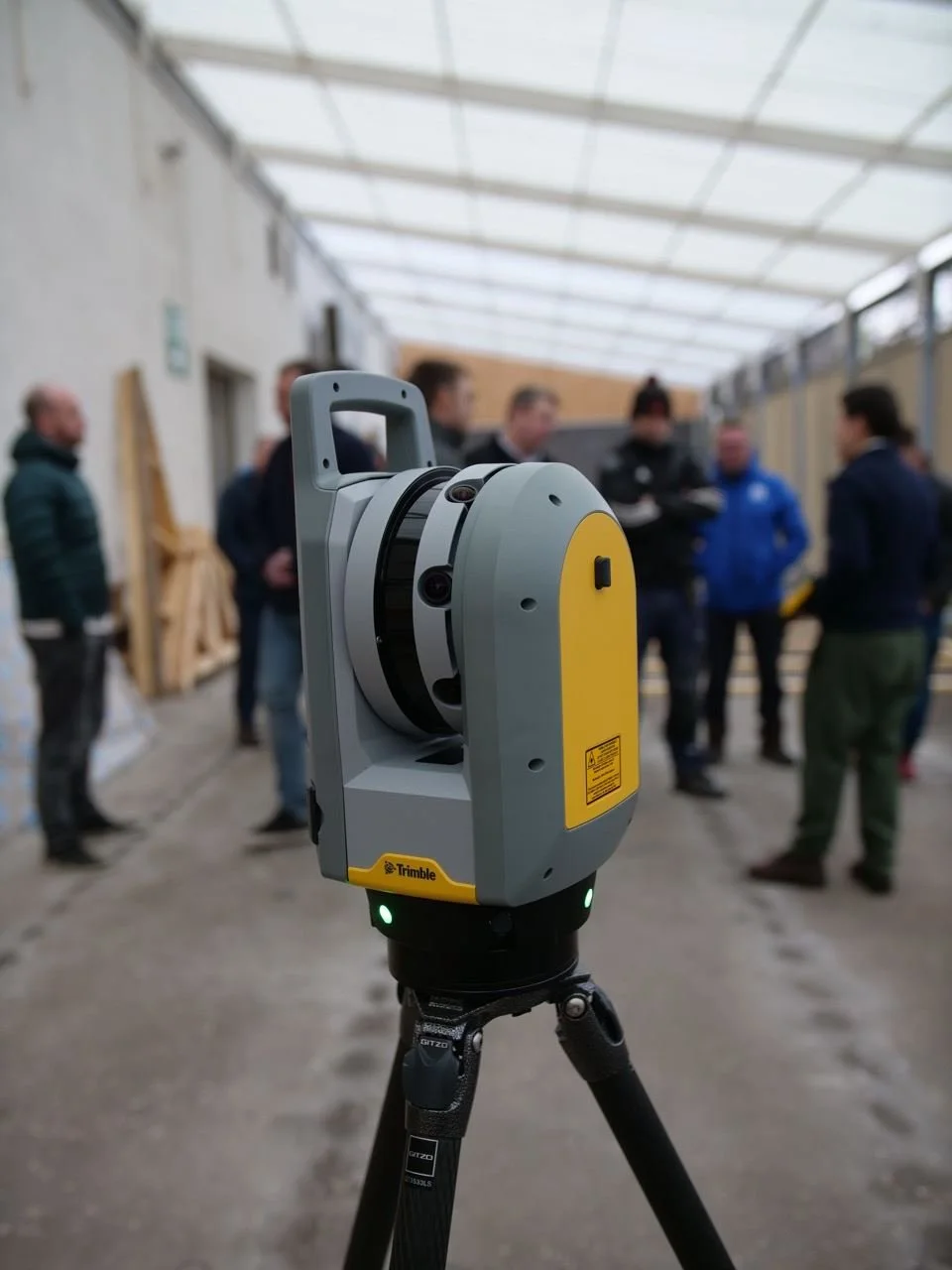
BE-ST launched a fully-funded digital construction skills training program in partnership with the HCI Skills Gateway.