
Seeking partners to trial a nature based approach to SuDS maintenance
Sustainable drainage systems (SuDS) play a vital role in managing surface water and reducing flood risk. Over time, however, metals and other contaminants can build up in SuDS soils, potentially affecting how well they perform and shortening their lifespan.
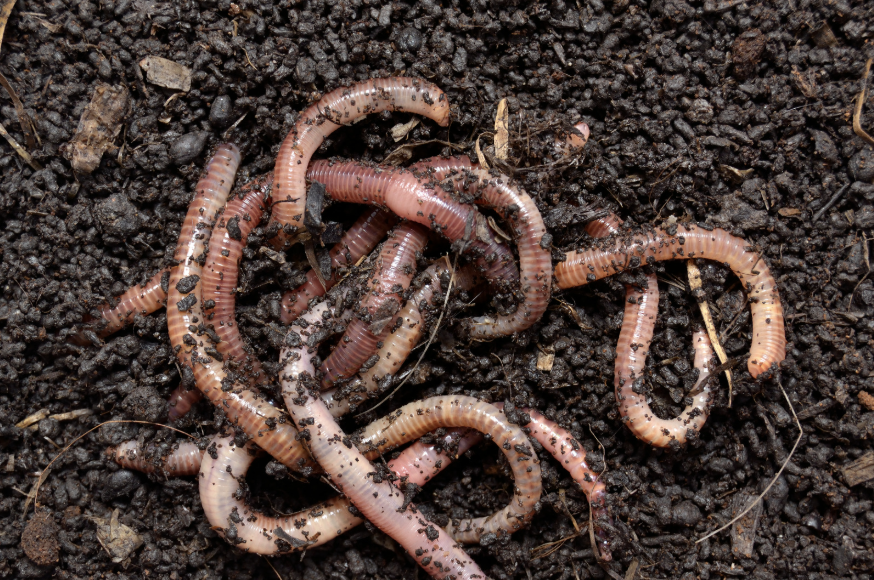
IBioIC, The University of Strathclyde, Phyona and Pictish Worms have been exploring a simple, low cost way to tackle that challenge. By combining metal accumulating plants with worm cultures, the team tested whether contaminants could be removed while improving overall soil health.
The results from lab based and sample testing have been encouraging. The plants performed well in contaminated SuDS soils, taking up metals into their tissues, while the worms established and reproduced, helping to improve soil condition in what is typically a difficult environment.
Taken together, this points to a practical, nature-based alternative to removing and replacing contaminated SuDS soils - an approach that can cost anywhere from £500,000 to over £1 million for larger systems.
What we are looking for
The next step is to test this approach in a live site.
University of Strathclyde, Phyona and Pictish Worms are looking to work with a builder, local authority or asset owner who can provide access to an operational SuDS site for a longer-term, in situ trial. Ideally, this would be a site where there is already some level of contamination, allowing us to properly assess how the plant–worm approach performs under real conditions.
This is about building the evidence base needed to move from promising results to practical application, understanding how the approach works at scale, over time, and in live environments.
If you’re managing SuDS infrastructure, or delivering a project where this could be trialled, please get in touch with Liz Fletcher, Impact Director and Deputy CEO at IBioIC: liz.fletcher@ibioic.com