

The latest
Explore our latest news, blogs, case studies and more.
News
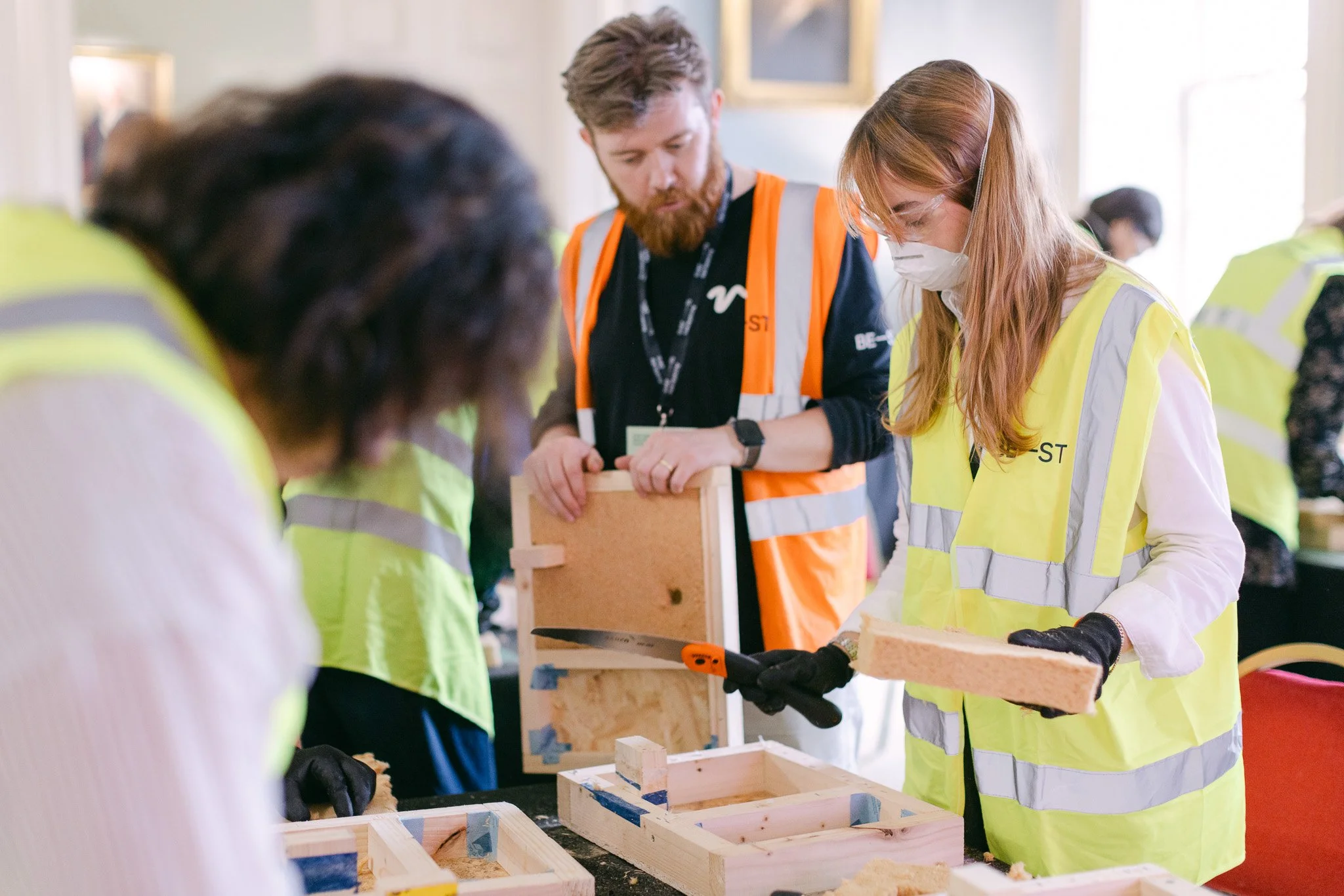
Energy Skills Partnership (ESP) and Built Environment – Smarter Transformation (BE-ST) have announced a formal strategic partnership to strengthen collaboration between Scotland’s colleges, employers, industry and innovation partners and help develop the skills and capabilities needed for a just transition in the built environment.
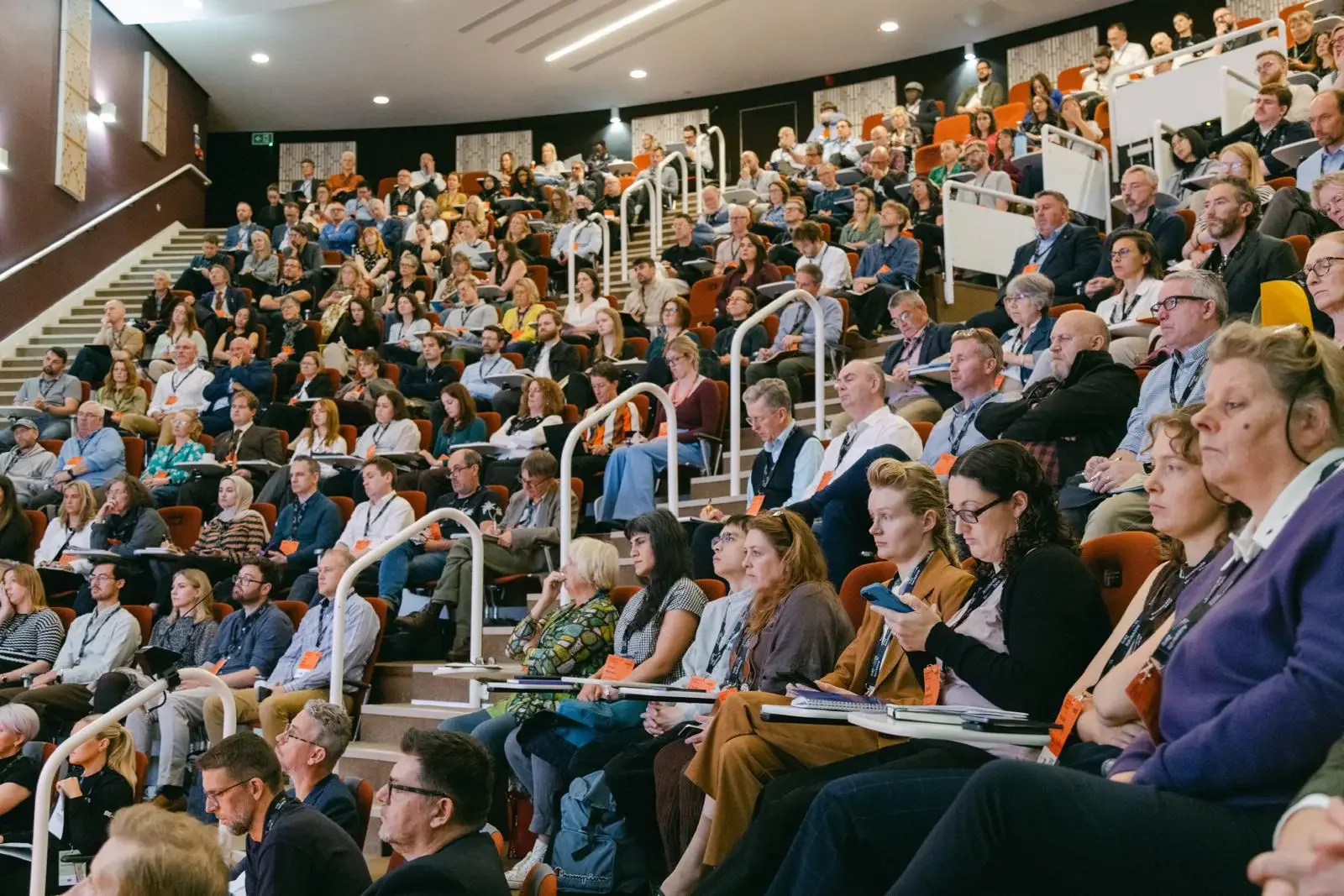
Industry stakeholders will meet in Inverness next month to explore how Scotland can accelerate the delivery of more energy efficient buildings and clean heat.

The Accelerate to Zero Awards are back for their fourth year to recognise the businesses, organisations, and individuals making the most significant contributions to decarbonising the built environment and supporting the just transition to net zero. This year, the awards will take place on the evening of Thursday, 5th November, at voco Grand Central in Glasgow, following the final day of BE-ST Fest.
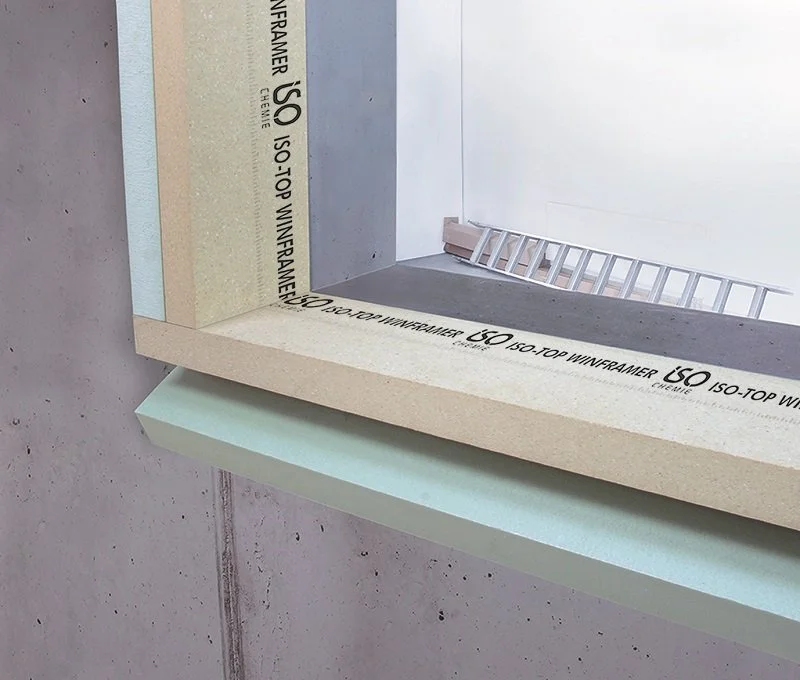
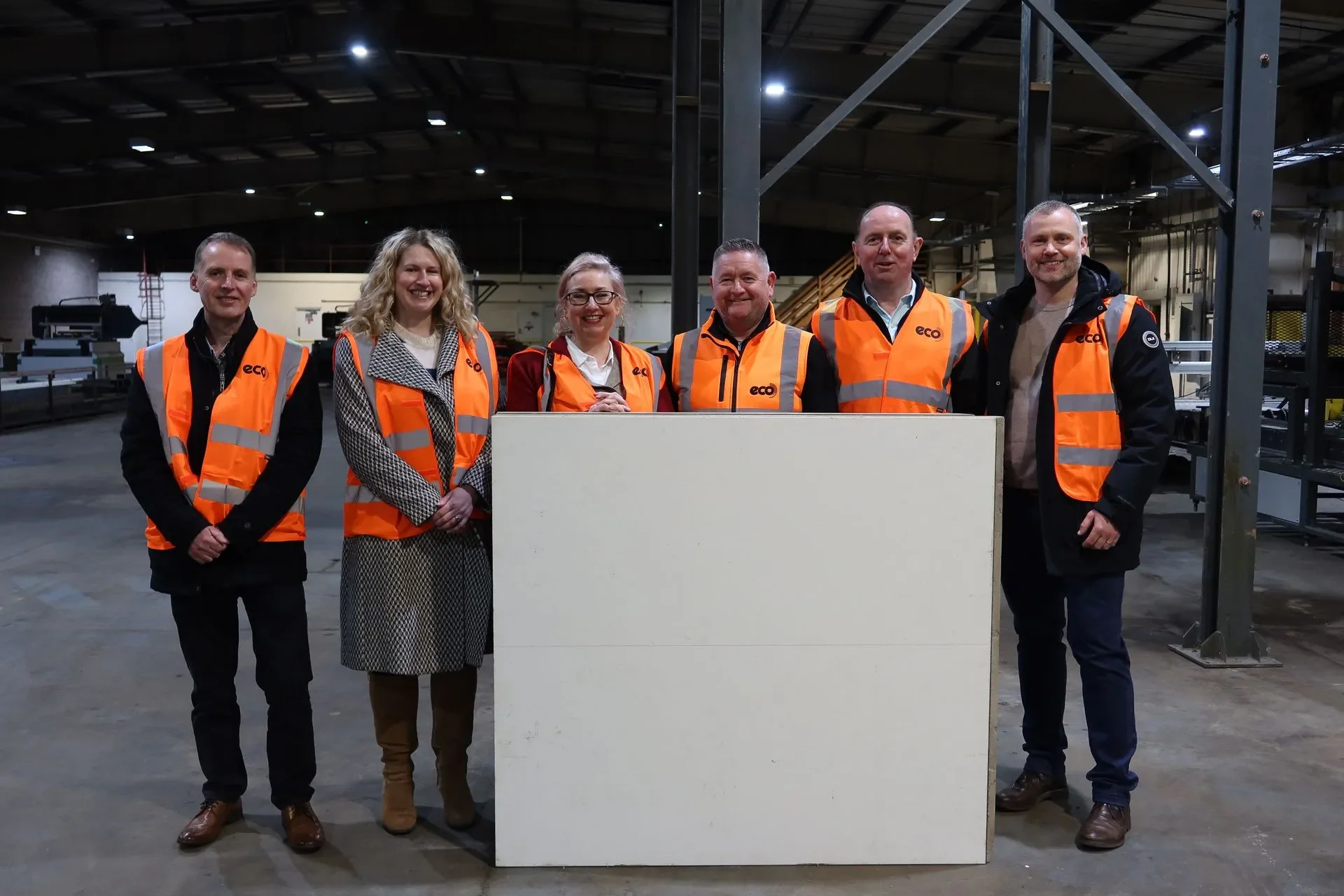
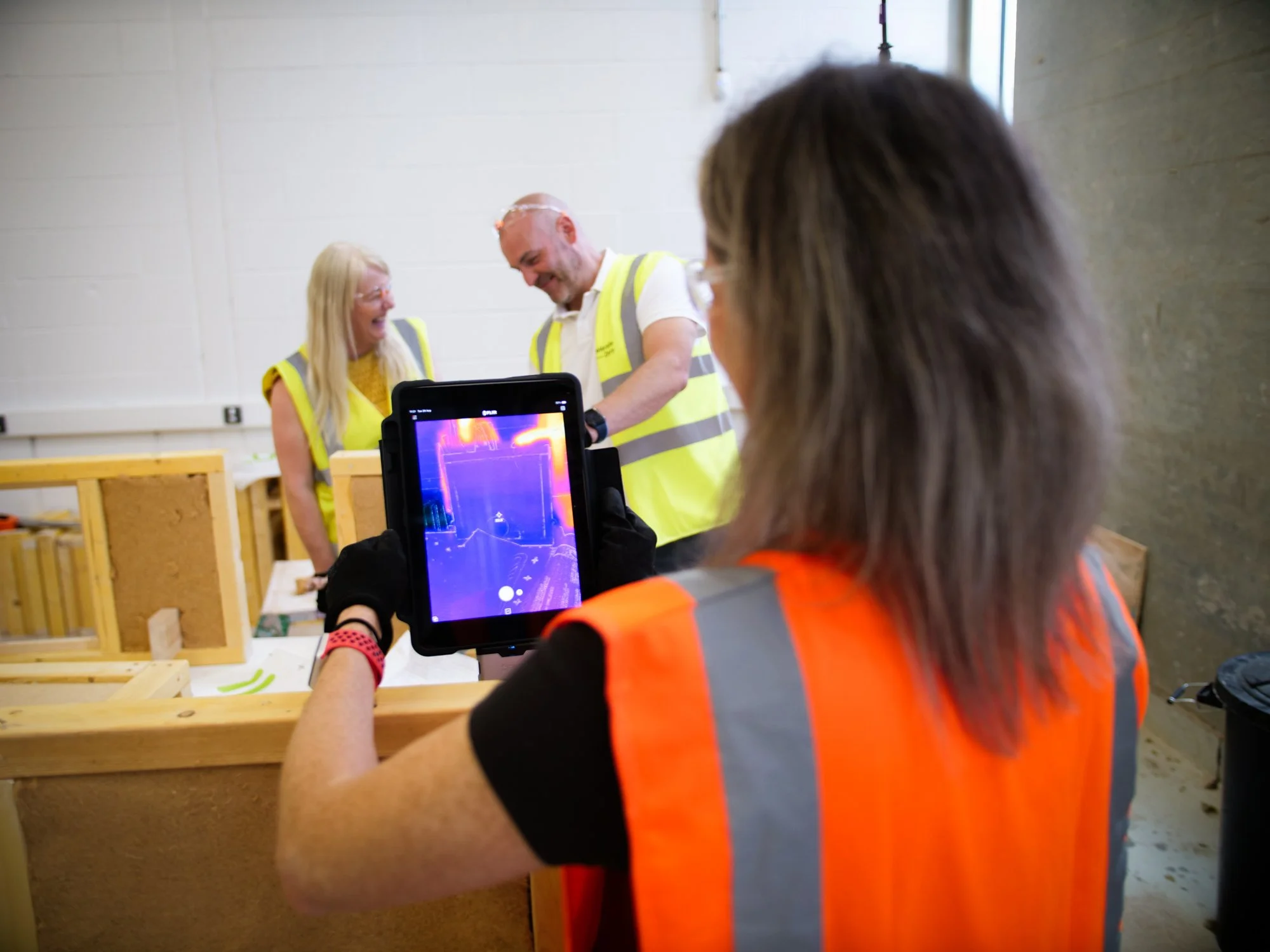
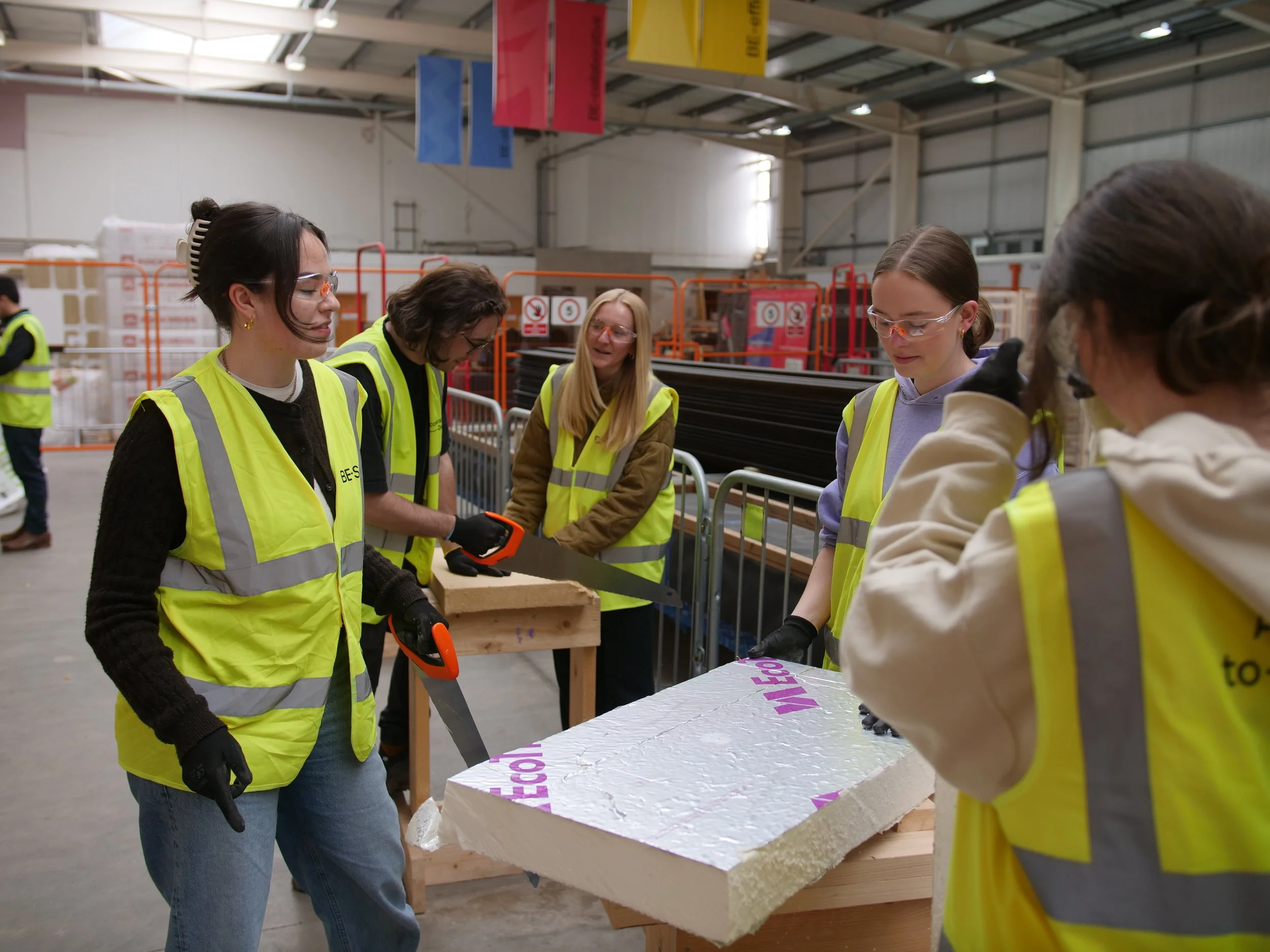

The purpose of this survey is to understand current levels of knowledge, specification practices, and use of timber in the UK, with a particular focus on C16 and UK‑grown material.

New programme will help prepare the construction sector for proposed changes aimed at improving quality, compliance and public confidence.
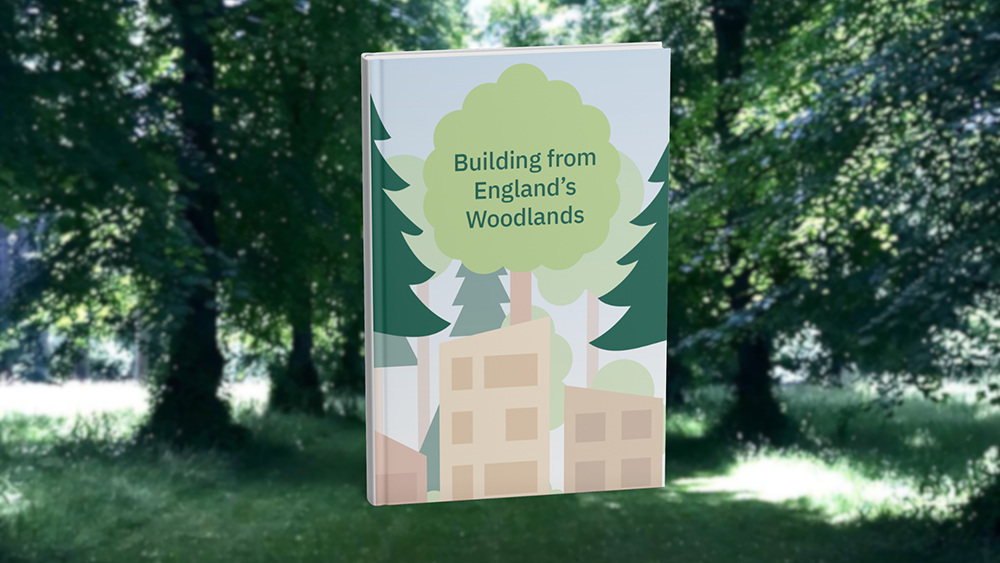
A pioneering research initiative has demonstrated that England’s underutilised deciduous broadleaf forests could play a transformative role in delivering low-carbon buildings, supporting biodiversity, and strengthening domestic supply chains.
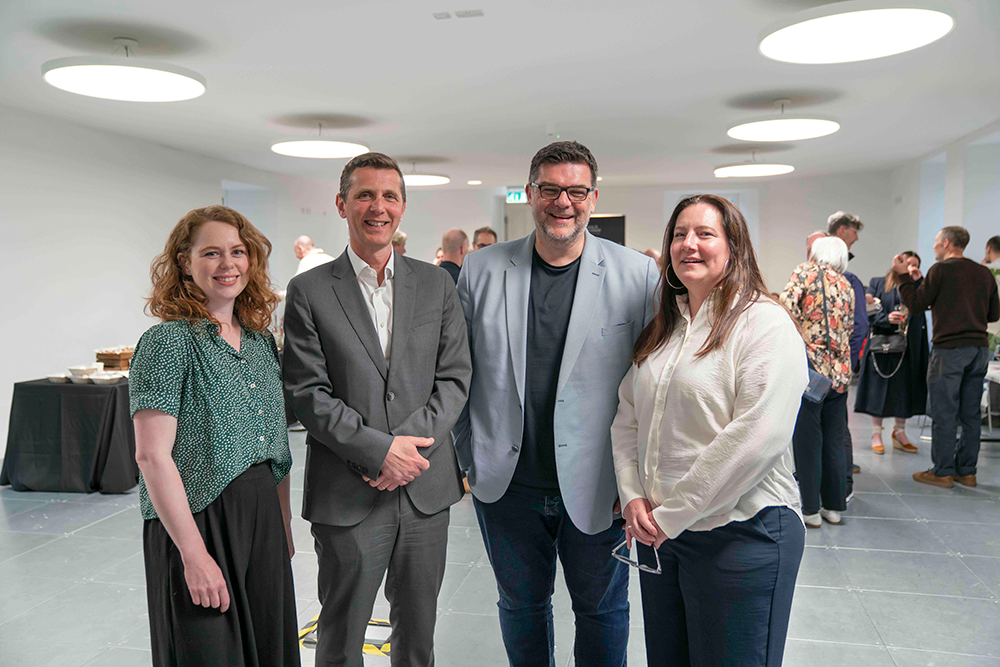
Architecture and Design Scotland outlines business plan, announces strategic partnerships and previews pop-up exhibitions space.
The Accelerate to Zero Awards are back for their fourth year to recognise the businesses, organisations, and individuals making the most significant contributions to decarbonising the built environment and supporting the just transition to a zero carbon built environment.
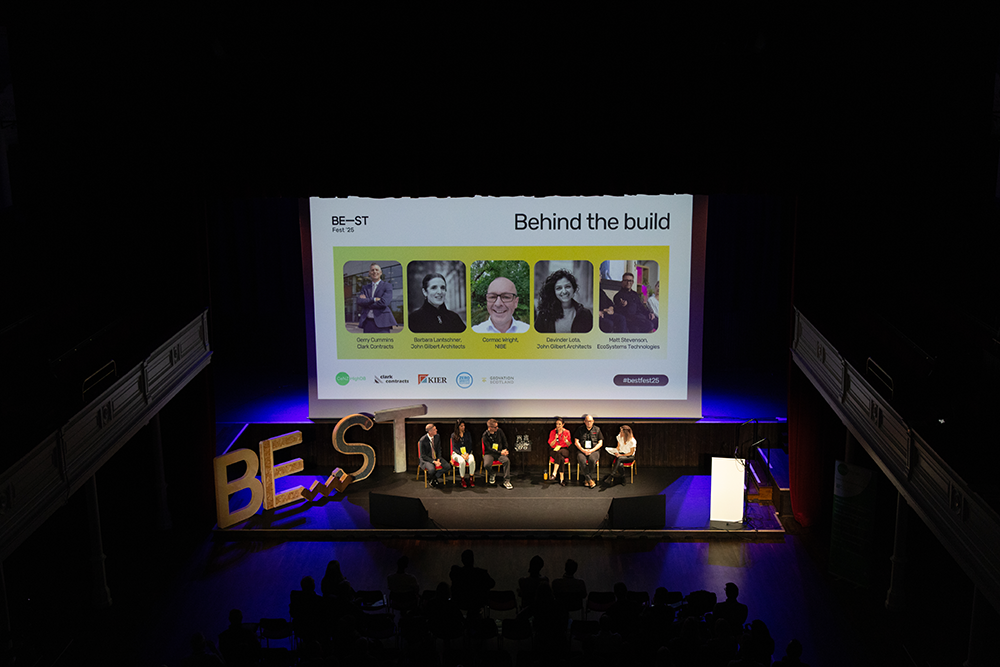
For the past five years, industry leaders, policymakers, innovators and practitioners have travelled to Glasgow for BE-ST Fest. In 2026, the festival evolves into a new regional format with four individual full-day summits taking place across Scotland, creating more opportunities for local collaboration, discussion and action.

A major new industry training programme designed to accelerate the use of timber in construction across the UK has officially launched at Futurebuild 2026, backed by the Construction Industry Training Board (CITB).
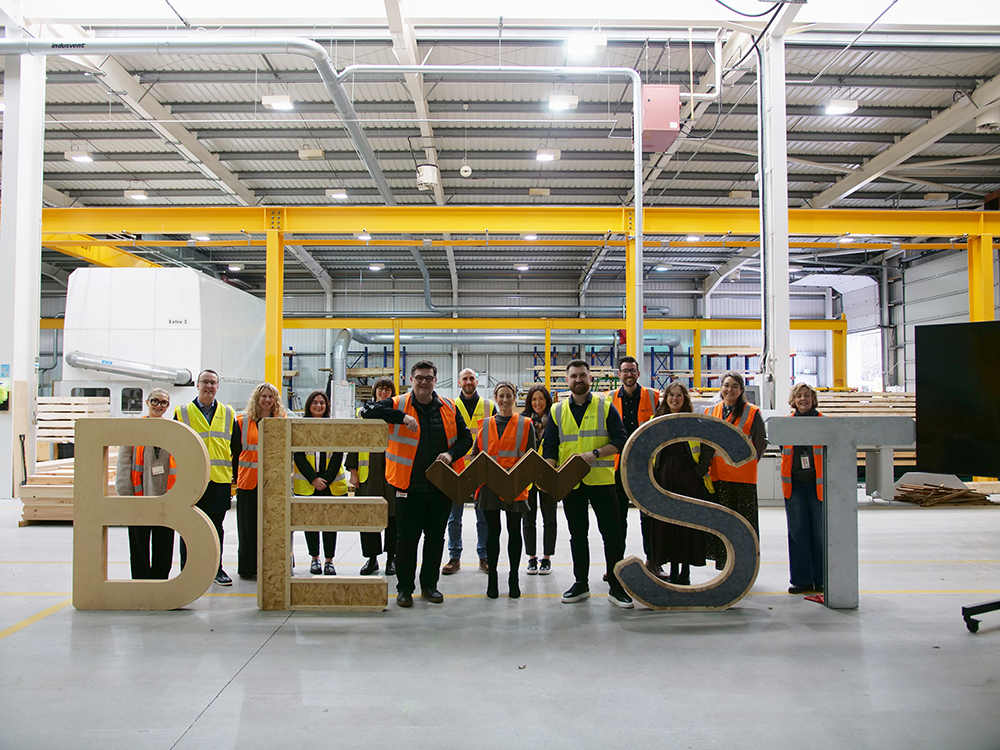
BE-ST and Carbon Futures have announced a new strategic partnership designed to combine their respective strengths and deliver greater impact on their shared mission to accelerate the decarbonisation of the built environment.
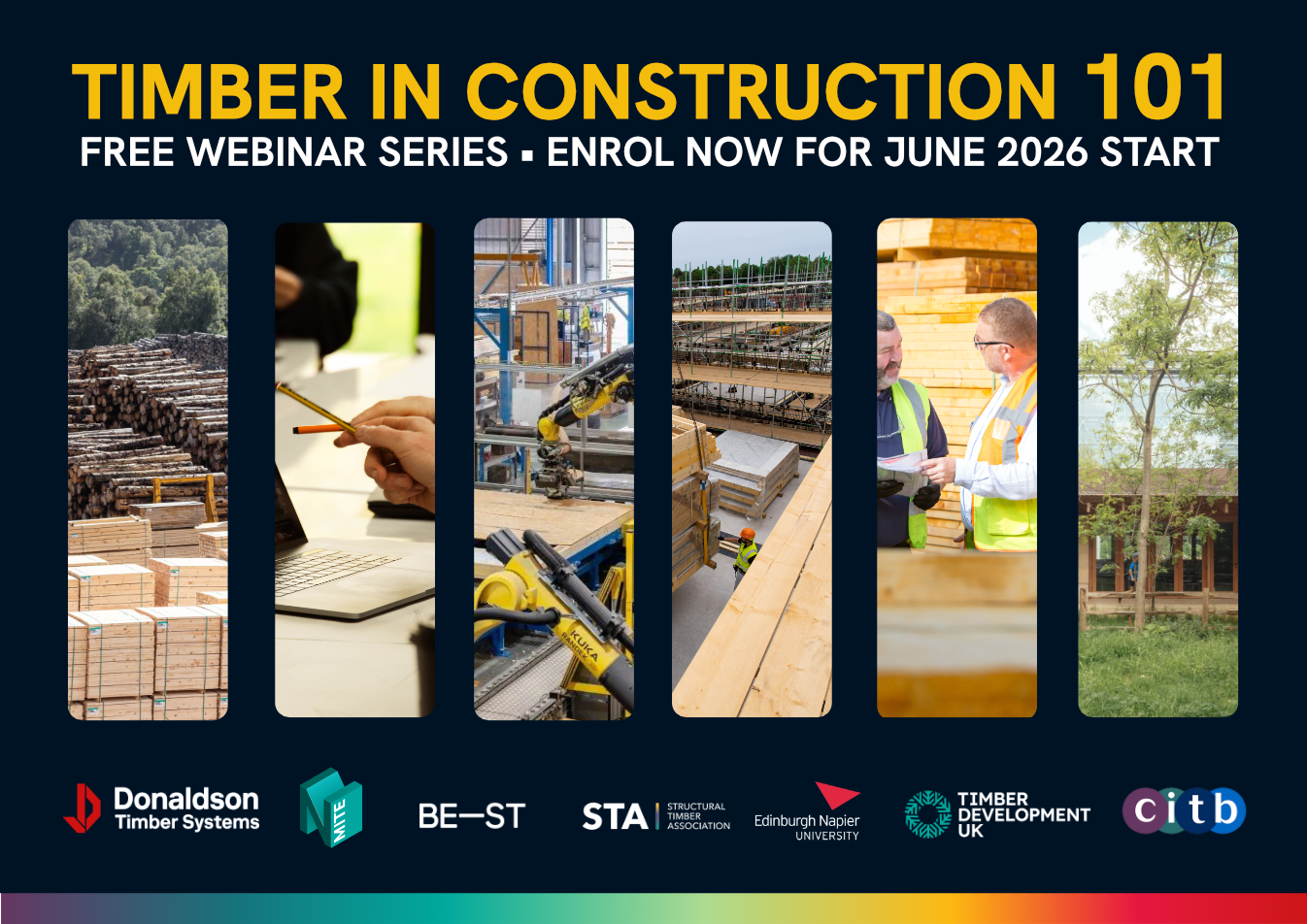
In support of a major new initiative, the Timber in Construction Skills Programme, a new series of webinars has been launched to equip the industry with essential skills – Timber in Construction 101 – completely free for anyone interested in using timber.
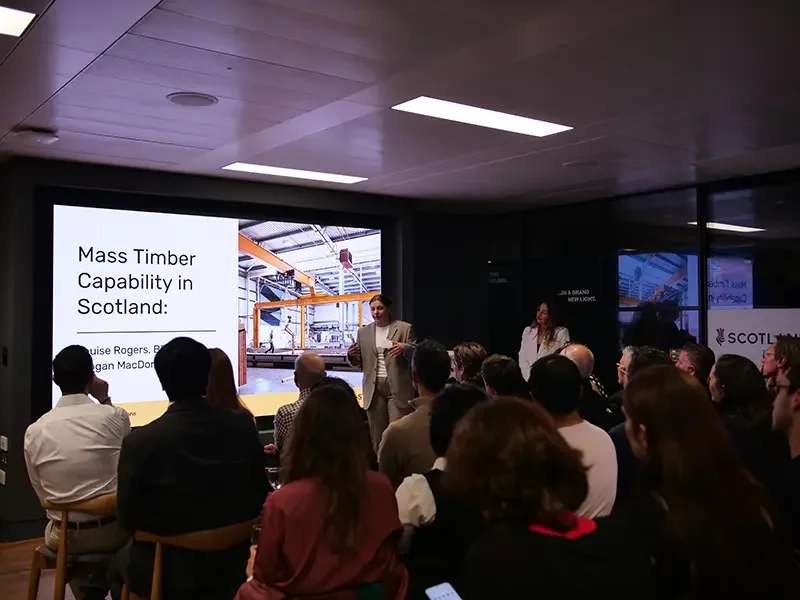
Built Environment – Smarter Transformation (BE-ST), Scotland’s innovation centre for construction and the built environment, has delivered a three-day programme of activities as part of and alongside Futurebuild and UK Construction Week 2026 in London.
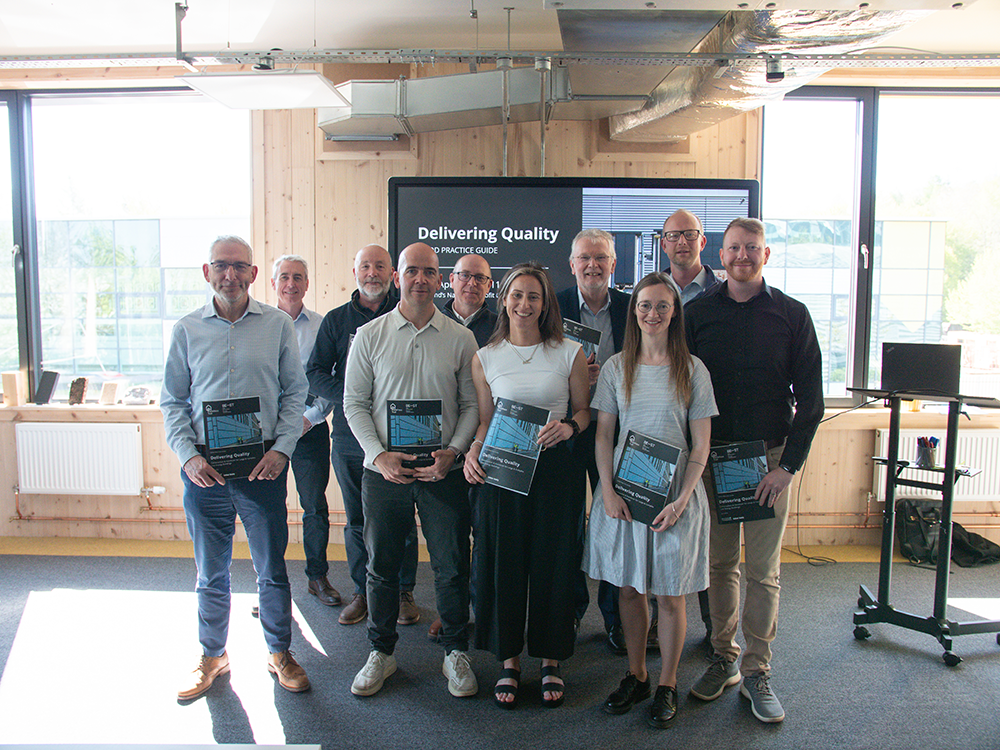
The paper, Delivering Quality, stems from a joint collaboration between Passivhaus Trust (PHT) and BE-ST and has been developed by Tier 1 contractors (T1C) and key stakeholders.

Sustainable drainage systems (SuDS) play a vital role in managing surface water and reducing flood risk. Over time, however, metals and other contaminants can build up in SuDS soils, potentially affecting how well they perform and shortening their lifespan.
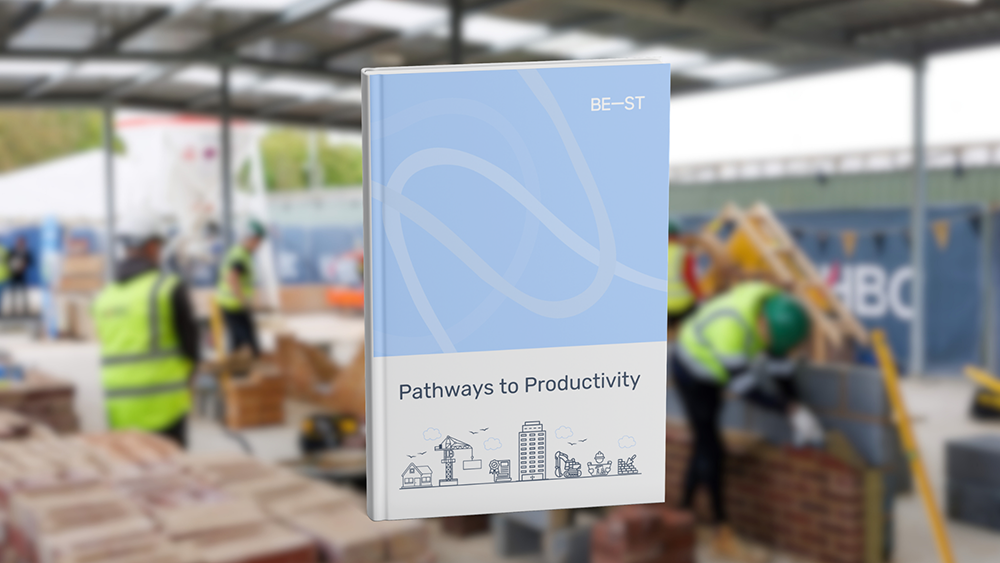
A new report published today sets out how Scotland can strengthen the flow of new entrants into the construction and built environment workforce, helping ensure the sector has the people and skills needed to deliver against the country’s future ambitions.
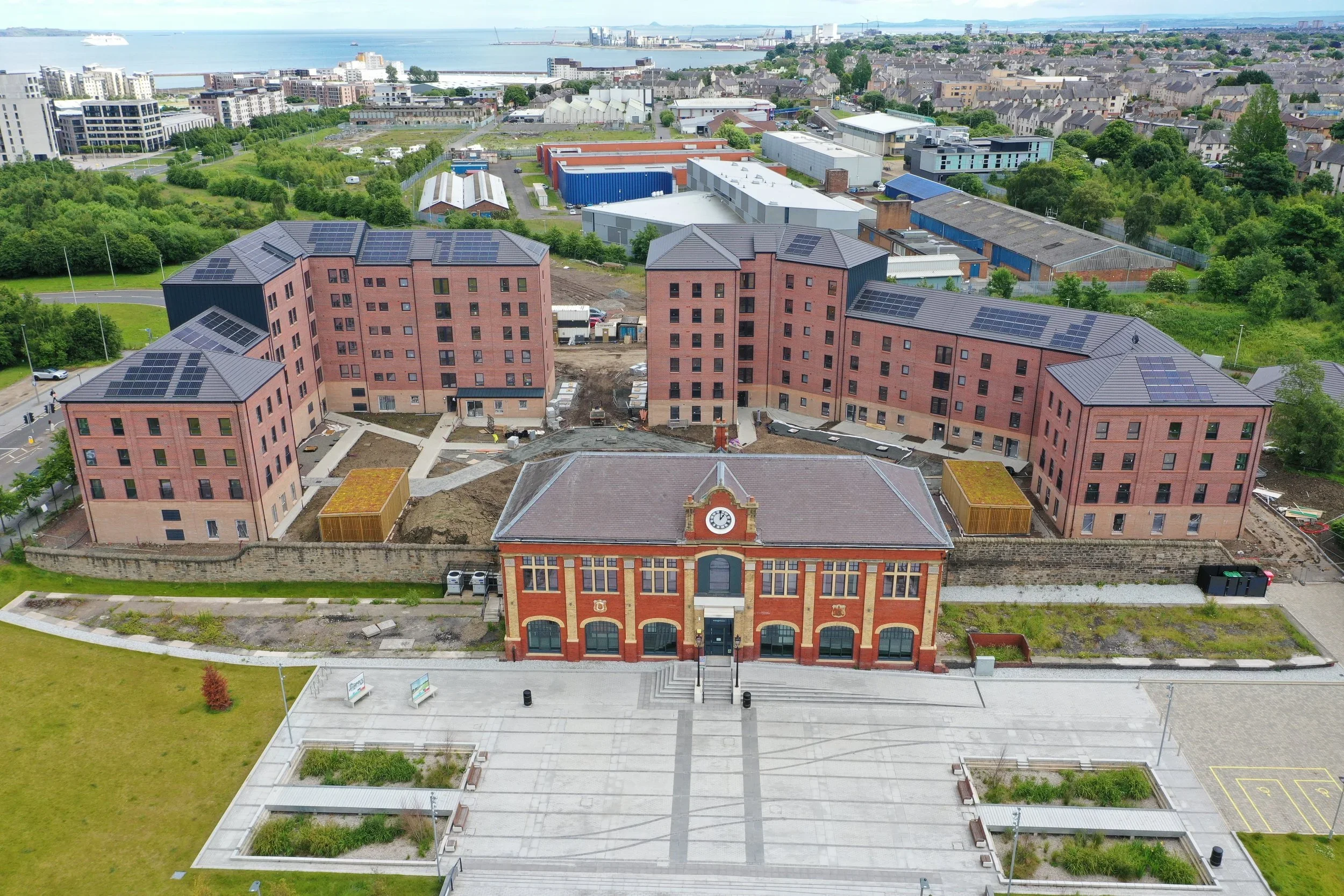
Scotland’s housing emergency is often discussed in terms of ambition or funding. Yet as efforts to increase supply gather pace, the real challenge is often delivery: planning and regulation, cost certainty and a fragmented system where projects rarely build on one another.
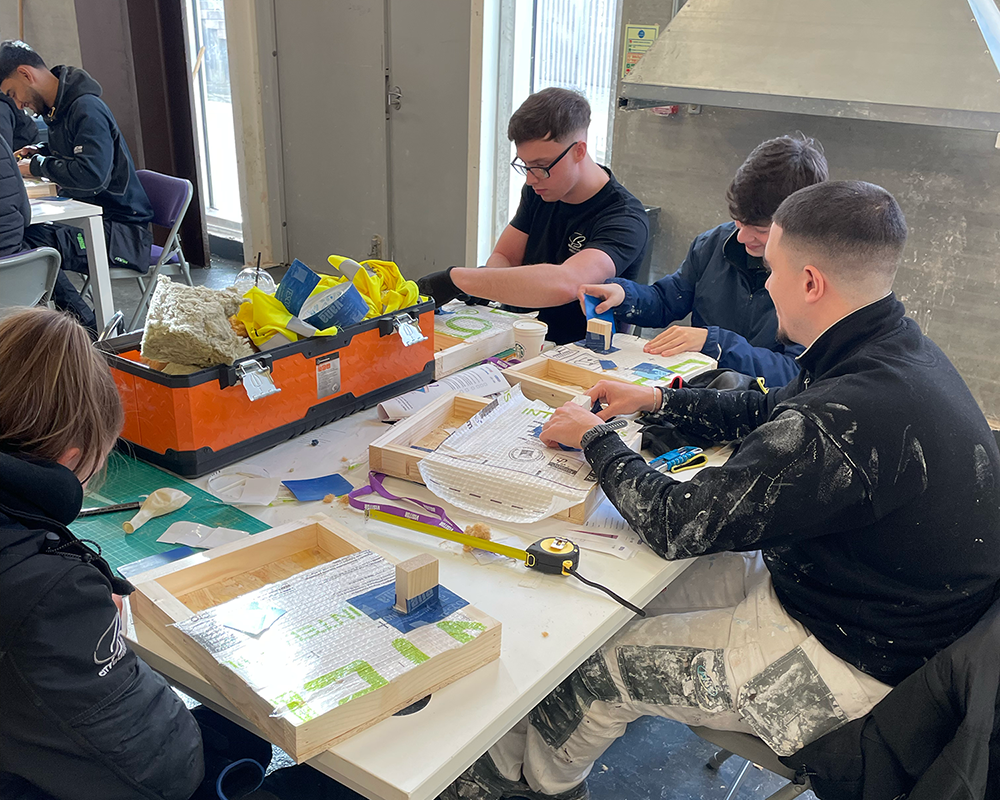
To mark Scottish Apprenticeship Week 2026, BE-ST has delivered an intensive programme of specialist training to more than 140 apprentices and pre-apprentices this week in Glasgow and Dumfries & Galloway to build the skills needed for Scotland’s low carbon future.
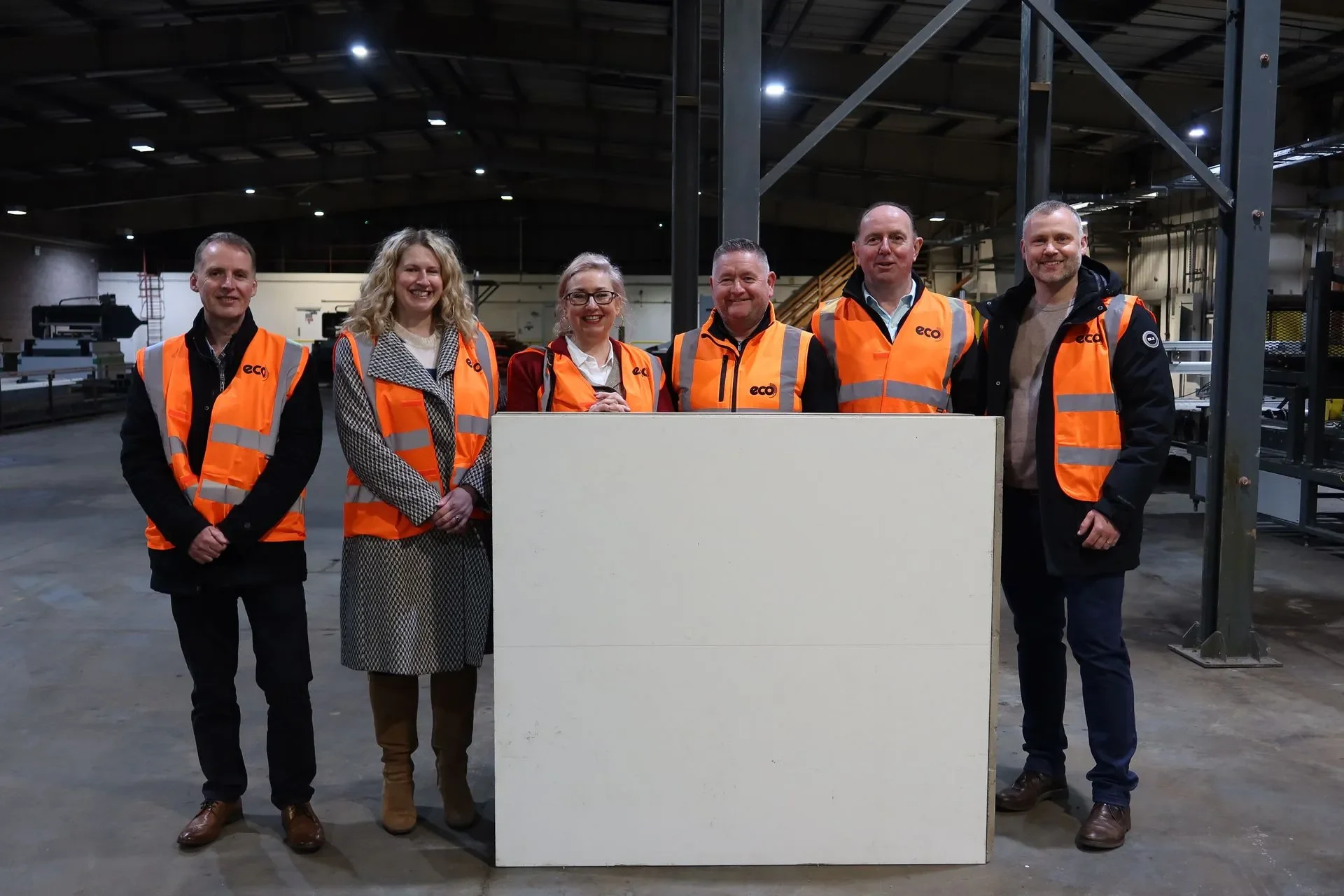
A major disruptor in the UK construction sector, based in the South of Scotland, is benefitting from a £330,000 grant to propel its pioneering recycled‑glass building technology.
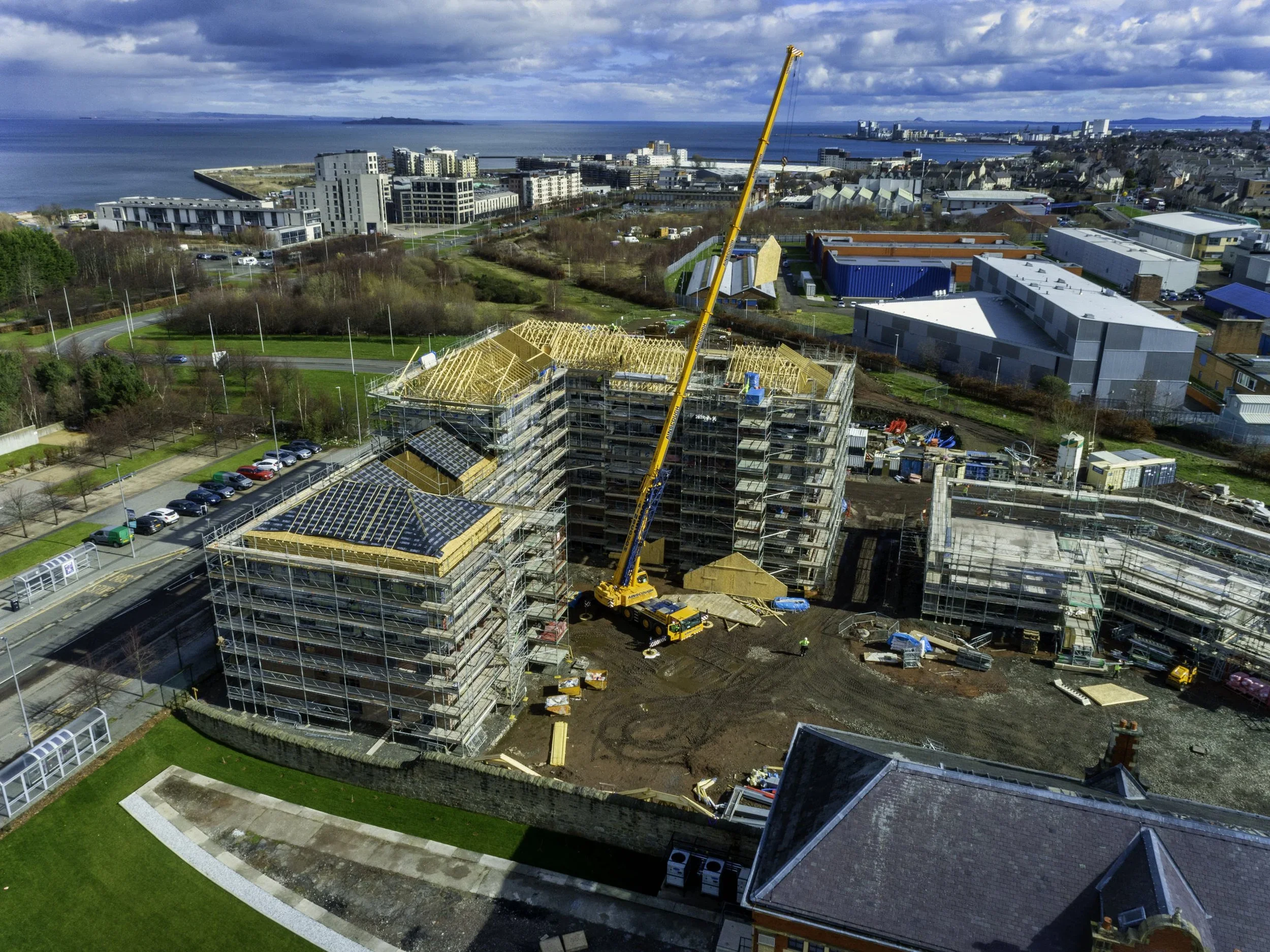
The Scottish Government has announced More Homes Scotland, a new housing agency. This is an exciting announcement and a significant step forward for creating the mechanisms we need to overcome Scotland’s housing emergency which was declared in May 2024.
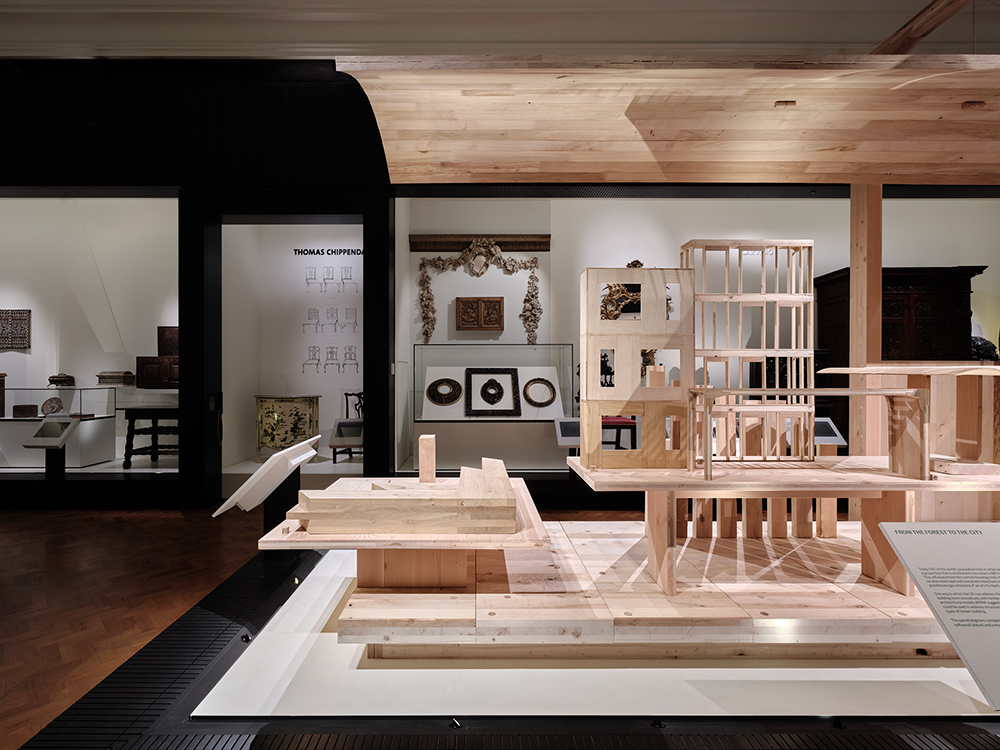
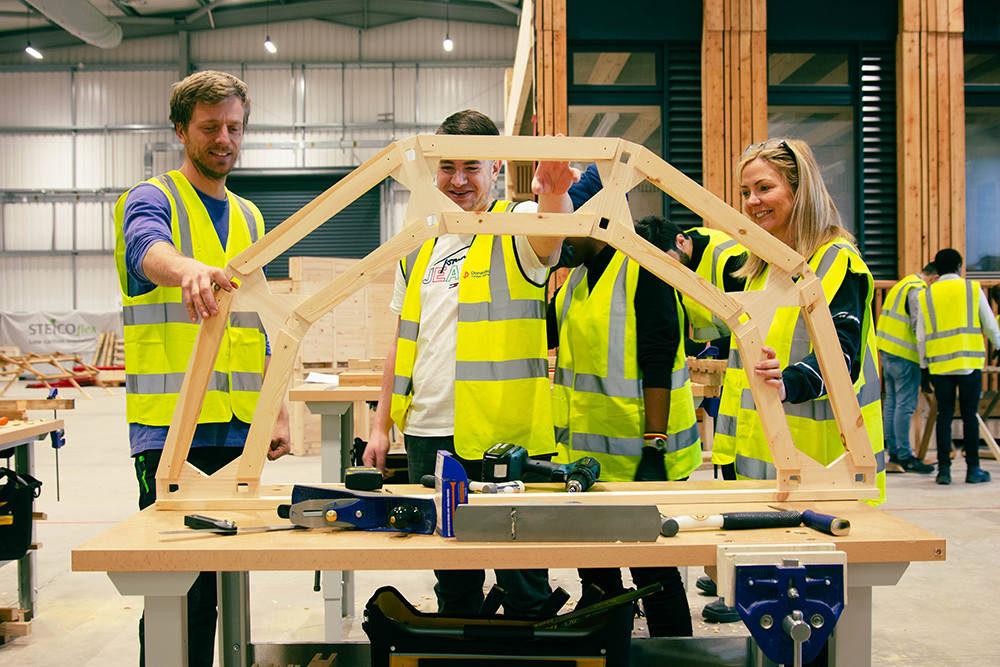
The Construction Industry Training Board (CITB) has awarded £430k from its flagship Industry Impact Fund to develop a comprehensive industry training programme to accelerate timber construction in the UK.

ASBP and BE-ST announce strategic partnership to drive sustainable transformation in the built environment across the UK.
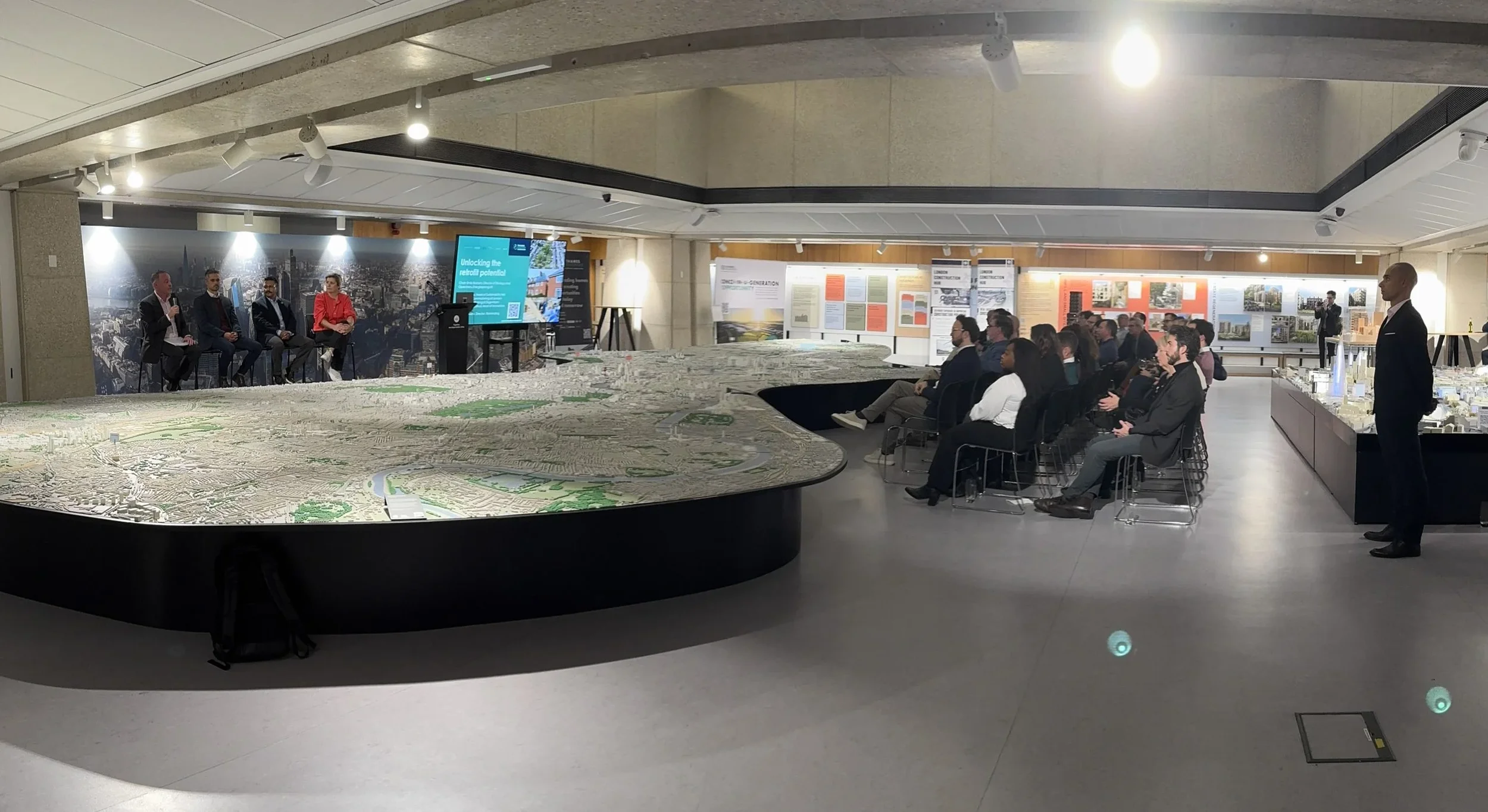
Thames Freeport launches Sustainable Construction Lab as first retrofit works begin on the Becontree Estate.

The UK’s leading and largest construction show is back at Olympia London on November 19th and 20th, and it’s breaking all records!
Events
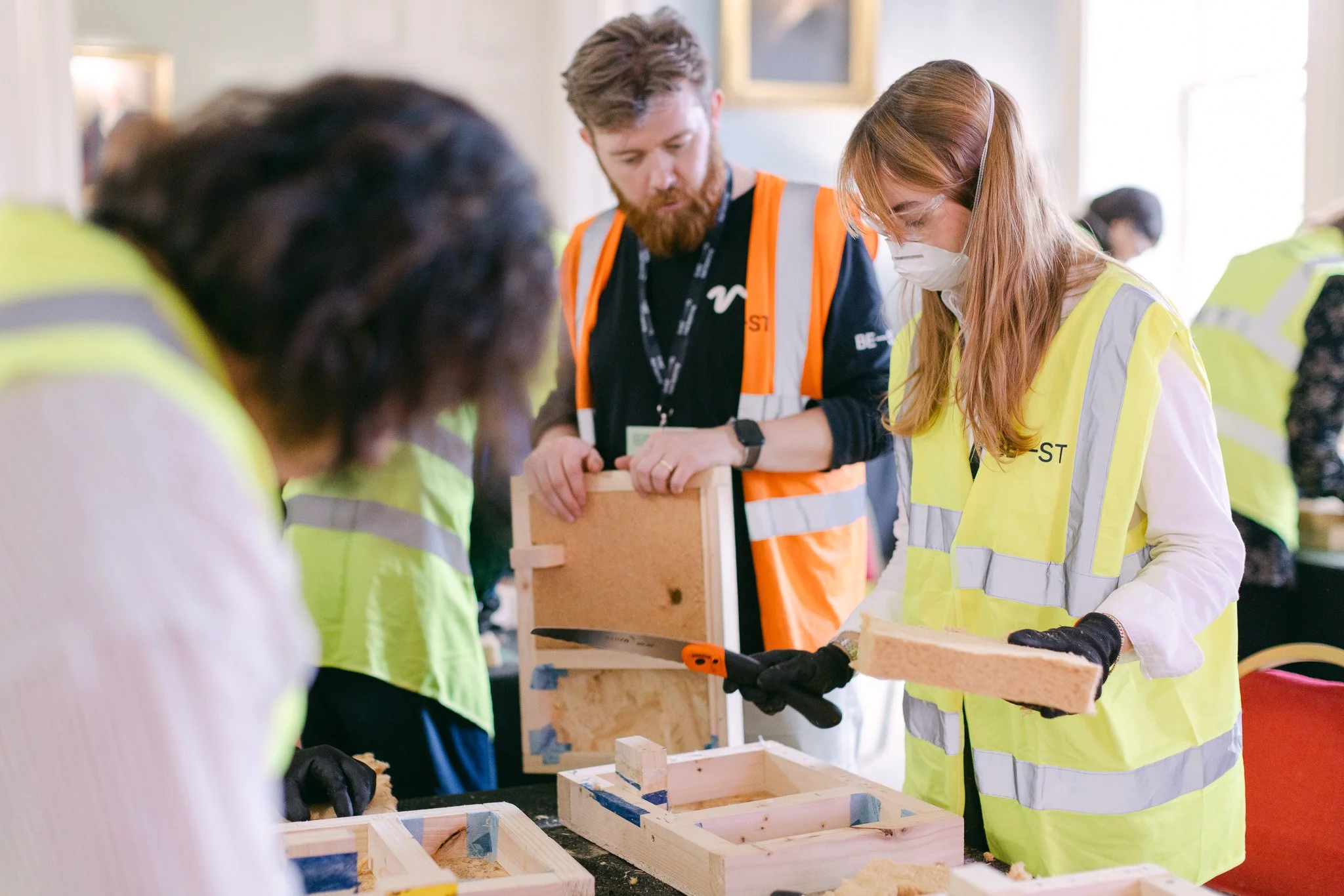
Experience the Low Carbon Passport through a practical and collaborative small-group session exploring how hands-on learning can support better low-energy construction. Developed for construction industry students, educators and professionals, this hour-long session will offer a snapshot into the training mechanisms used to deliver the Low Carbon Passport project to over 1200 learners so far.
This session will include a collaboration with Ecological Building Systems who will demonstrate material application and specification insights aligned to those used within Low Carbon Passport sessions
Collectively, we will reflect on the range of skills and competencies delivered over the last 18 months which underpin our progress towards improved construction quality, building performance awareness and a reduction in the performance gap.
Suitable for construction experts and interested newbies a-like, this session allows you to dip a toe into our ongoing efforts to build a resilient, industry-ready workforce for a net zero future.
Date: 4th November 2026
Time: 1.30-2.30pm or 3pm - 4pm
Location: Sir Jim McDonald Technology & Innovation Centre

From Spreadsheets to Smart Workflows explores how different construction SME organisations are deliver practical opportunities from AI Digital Workers to improve estimating, procurement, planning and commercial control.
The presentation will show how Apsis ADW can help construction SMEs reduce admin, connect data and support better decisions by combining people, processes and information Insights.
This is an interactive session and you will be invited to take part in a group activity. This session is delivered in partnership with Peer Works.
Hosted by:
Dr Alex Reid, MSc, Pig/Dip (Con Law), MCIOB, Founder and Chief Executive
Alex began his career in the construction industry as a sixteen year old apprentice, rising through the ranks from site operative to Board Director.
He has delivered landmark projects including Braehead Shopping Centre, Stobhill Hospital, Glasgow University Bio-Medical Building and many more.
Mid-career Alex completed an MSC and then a PhD, focused on construction innovation.
This led him to develop a passion for data, excited by the prospect AI and technology could transform the industry, and the launch of Apsis.
Alex also continues to be involved in project management and consultancy, bringing real-world experience to every aspect of Apsis.
Date: 4th November 2026
Time: 1.30-2.30pm
Location: Sir Jim McDonald Technology & Innovation Centre
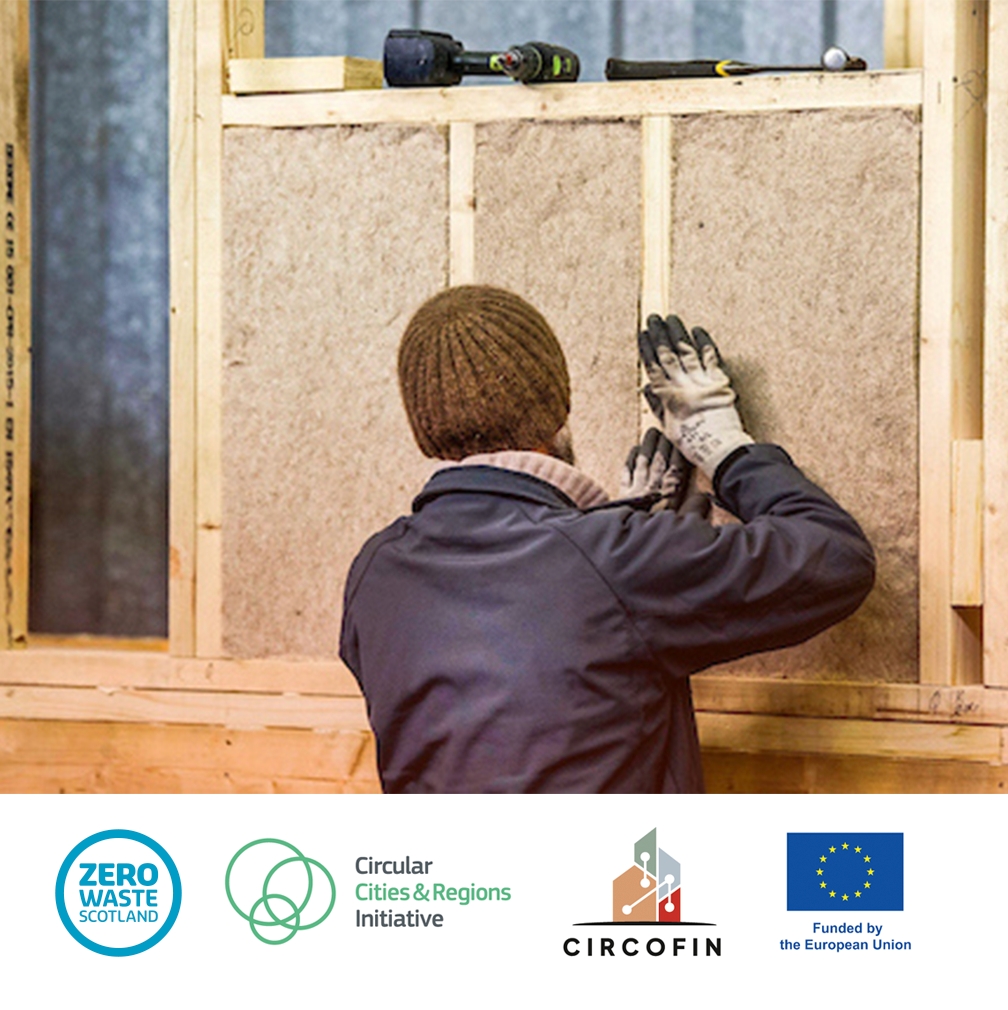
Join the CirCoFin team from Zero Waste Scotland, for an interactive workshop exploring the next stages in making circular construction hubs possible in Scotland, with a focus on Glasgow City and North Lanarkshire as potential initial pilot locations.
Through facilitated discussion, participants will explore findings from the recent CirCoFin feasibility study, consider emerging financing and delivery models, and discuss the potential role a future Circular Construction Hubs could play in Scotland's move towards embedding the circular economy in construction.
Designed to encourage collaboration and knowledge sharing, this workshop will provide attendees with the opportunity to contribute their perspectives, identify barriers and solutions, and consider practical steps that can support resource efficiency, waste reduction and the delivery of a more circular built environment.
Date: 4th November
Time: 3-4pm
Location: Sir Jim McDonald Technology & Innovation Centre
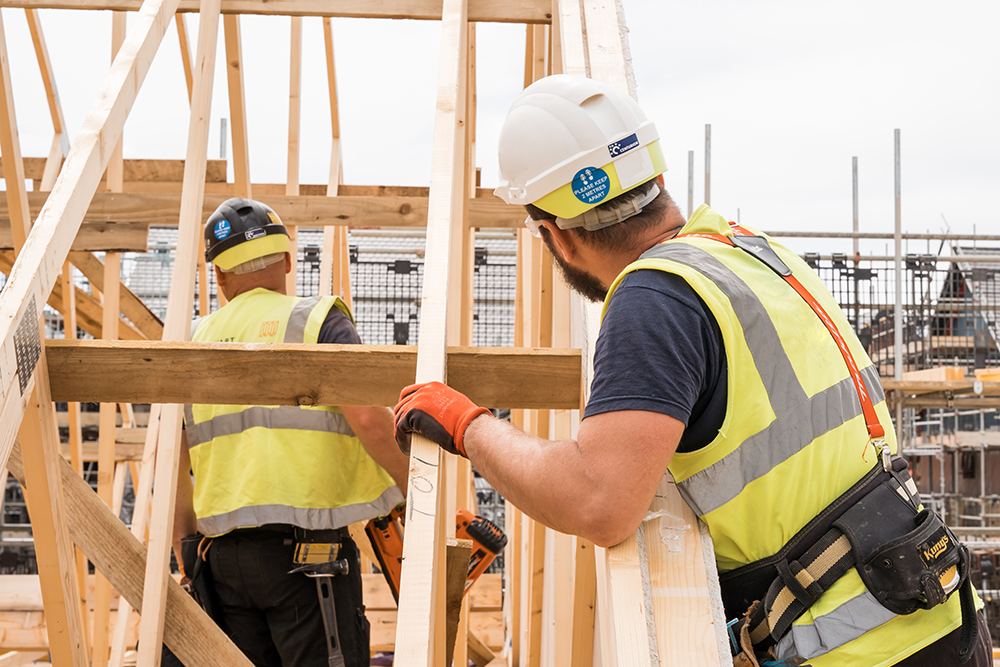
This workshop explores how we can make greater and more confident use of homegrown C16 timber across the construction sector. Building on insights from previous outreach and engagement, the session will focus on the key considerations when specifying timber and how to get the most value from the UK’s local resource.
You’ll hear directly from a timber frame manufacturer who exclusively uses homegrown timber in their kits, alongside specifiers who are already integrating UK‑grown material into their projects and the sawmillers who make this supply possible. Together, they will unpack the opportunities, constraints, and practicalities of using homegrown timber across different products and applications.
By the end of the session, you’ll leave with a clearer understanding of where C16 can be used effectively, how to specify it with confidence, and new ideas for consciously incorporating locally sourced timber into future projects.
Date: 4th November 2026
Time: 1.30-2.30pm
Location: Sir Jim McDonald Technology & Innovation Centre

This interactive session will bring together key representatives from government, industry and education to share their perspectives through a rapid-fire lightning round, followed by an audience Q&A and open discussion.
BE-ST has supported the built environment sector on its journey towards delivering very low-energy buildings for several years. Scotland is now at a critical point in this transition, with emerging policies and regulations including the Scottish equivalent to the Passivhaus Standard and the decarbonisation of public-sector heat shaping the future of the sector.
Across Scotland, contractors are developing new skills and capabilities, while designers and clients are increasingly embracing very low-energy approaches. However, as implementation timelines draw closer, it is important to understand how BE-ST can best support the sector through the next phase of the transition.
The workshop will explore:
How prepared is the sector to deliver very low energy buildings at scale?
What challenges, skills gaps and barriers remain?
What additional support does industry need?
How can government, industry and education work together?
What should BE-ST prioritise during the next phase?
By hearing directly from industry, government and education, the session will identify what is currently missing and help shape the practical support needed next.
Date: 4th November 2026
Time: 1.30-2.30pm
Location: Sir Jim McDonald Technology & Innovation Centre
Driving delivery is the core theme of BE-ST Fest 2026, and in the West, the focus turns to Housing & Modern Methods of Construction.
Scotland continues to face a housing emergency, with an urgent need for high-quality, affordable homes. Addressing housing supply without embracing modern construction approaches risks missing a major opportunity, particularly given Scotland’s strong potential in homegrown timber and advanced manufacturing.
This summit brings housing and MMC together as interconnected solutions. It asks a critical question: how can we accelerate the delivery of better, faster, and more affordable homes? The answer lies in collaboration, innovation, and adoption of modern methods from offsite manufacturing to sustainable materials.
By uniting industry, government, and supply chains, the focus is on moving from ambition to action, scaling up MMC, overcoming barriers, and delivering the homes Scotland urgently needs.
Speakers include:
Afternoon workshops 1.30pm-2.30pm:
From Spreadsheets to Smart Workflows: Digital Workers for Construction SMEs
Inside the Rig: Lessons from Low Carbon Passport in Collaboration with Ecological Building Systems
Afternoon workshops 3pm - 4pm
Date: 4th November 2026 - 8.30am - 5.30pm
Location: Sir Jim McDonald Technology & Innovation Centre (TIC), Glasgow
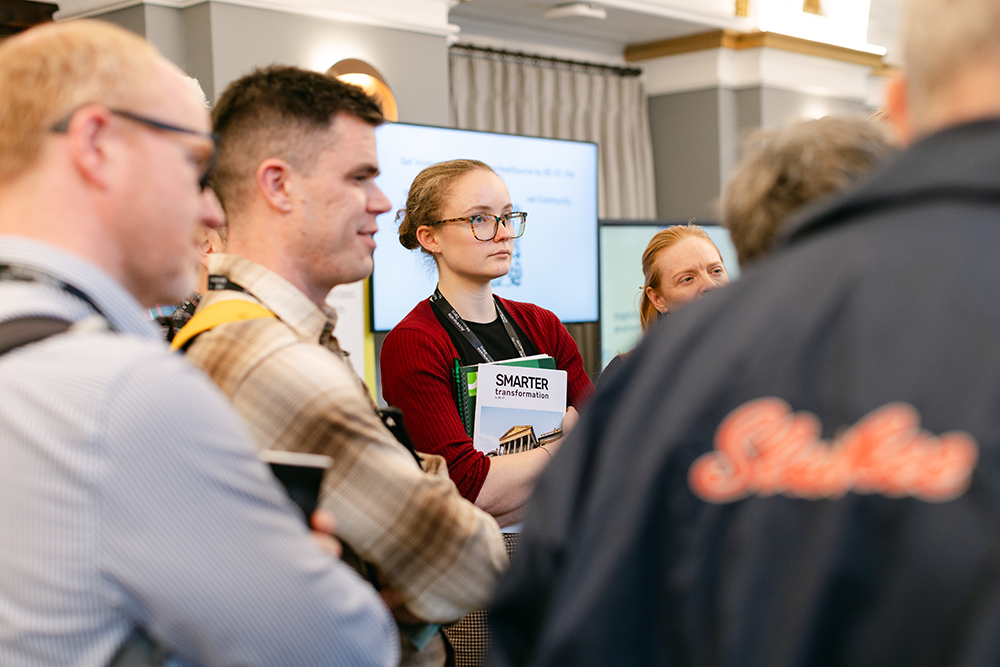
Driving delivery sits at the heart of BE-ST Fest 2026, and in the South, the spotlight is on Skills as a critical enabler of change.
The South of Scotland faces a significant skills challenge shaped by its rural geography and ageing population. Persistent barriers, including limited access to affordable housing, poor transport connectivity, and underinvestment in training, continue to constrain progress.
This summit will bring together academia, industry, and policymakers with a shared goal: to move from identifying gaps to delivering solutions. By strengthening collaboration, unlocking investment, and aligning education with industry needs, the focus is on building a resilient, future-ready workforce that can drive economic growth and support Scotland’s transition to net zero.
Date: 17th March 2027
Location: The Crichton Trust, Dumfries

The Low Carbon Passport is a first-of-its-kind, accredited course designed to equip construction professionals with the critical skills and competencies needed to deliver low carbon, energy-efficient buildings across Scotland.
These interactive sessions will explore the core principles of thermal performance, insulation, airtightness, and sequencing. Participants will gain practical experience and insights into testing and understanding building envelope performance.
By the end of this 1 day training course, you will learn:
Why reducing energy demand is important in a building context
How on-site quality can affect the building performance
Considerations required design and construction
The Low Carbon Passport is a brand-new training course designed to help both existing professionals and new entrants develop the practical skills needed to thrive in the future. Backed by major industry partners including Balfour Beatty plc, Morrison Construction, Kier Group, Robertson Group, and the Passivhaus Trust, the programme is led by BE-ST. More dates to be announced soon. Register your interest in future dates here.
We reserve the right to reschedule or cancel sessions.
Who this course is for: Contractors, subcontractors, educators, apprentices and supply chain.
Skill level: Beginner
Cost: Fully funded
Time: 09.30am – 4.00pm
Dates at the City of Glasgow College
22.10.26
03.12.26
Dates at NMITE Skylon Campus
17.11.26
25.11.26

This hands-on training course offers a practical introduction to building physics, helping learners understand how core construction products function and how to use them effectively. Delivered using bespoke training rigs developed by BE-ST, the course bridges a critical knowledge gap in the industry and equips participants with widely transferable skills.
Participants will gain insight into:
Insulation: Understand how different insulation materials perform thermally, and how their placement and installation impact overall building efficiency.
Airtightness Tapes: Learn the physics behind air movement in buildings and how airtightness tapes contribute to reducing heat loss and improving energy performance.
Membranes: Explore the role of breather membranes and vapour control layers in managing moisture, preventing condensation, and protecting building fabric.
Perfect for those new to construction or looking to strengthen their technical foundation, this course combines theory with hands-on experience to build confidence and competence in building performance.
Time: 09.30 - 16.00
BE-ST Campus: 15/09/26, 17/11/26
North of Scotland: 20/10/26, 21/10/26 & 22/10/26
Please read and download our Terms & Conditions and RAMS before attending this course.

The Accelerate to Zero Awards recognise the businesses, organisations and individuals making the biggest contribution to decarbonising the built environment and supporting the just transition to net zero.
Location: voco Grand Central, Glasgow
Date: 5th November 2026
Pricing:
Individual: £100 + VAT
Table of 10: £900 + VAT. Please use the code TABLE10 to receive your 10% discount.

Alongside trusted training provider Coaction Training CIC, we’re offering Passivhaus Practical Training designed for Tier 1 and Tier 2 contractors, architects, consultants and tradespeople delivering commercial, residential, public and educational buildings at scale.
This one-day, intermediate-level course provides participants with the opportunity to get hands-on with bespoke training rigs and learn from some of the UK's most experienced Passivhaus practitioners. Accredited by the Passivhaus Trust this training is focused on putting theory into practice by exploring real-life scenarios using our bespoke training rigs and undertake rapid upskilling of:
Ensuring buildability for both small and large scale Passivhaus construction
Assessing and managing design risks
Identifying common construction pitfalls and how to avoid them
Understanding what high quality Passivhaus delivery looks like
Achieving airtightness
The impact of sequencing and material choices on build quality
Why should you attend?
Whether you are involved in design or on-site delivery, this course equips you with the knowledge and insight to align design intent with practical implementation, enhance collaboration across teams and contribute to the successful delivery of energy efficient, high performing buildings.
Course Fees
Standard price - £150.00 ex VAT
Discounted Coaction Alumni price - £120.00 ex VAT*
*Discounted price valid if you have completed Coaction Passivhaus Online Training.
Bookings of 5 or more will automatically receive a 20% discount by using the code PASSIVHAUS20
CITB Funding - 50% off your booking
Funding rules changed on 8 December 2025. Bookings agreed before this date via CITB EN will be honoured. Large Employers (>250 employees) must complete training by 31 March 2026.
To access this funding opportunity, contact your local CITB ADVISOR to discuss your training requirements. You will need to name Built Environment - Smarter Transformation (BE-ST) as your preferred training provider along with the training course title(s), date(s) and the names of your employees. CITB will then process the booking on your behalf.
If you are a CITB Registered business, contractor, or sub-contractor your local CITB ADVISOR via the new LOCAL EMPLOYER NETWORKS scheme can help you access a 50% grant to train, reskill and upskill your workforce in low energy and Net Zero construction practices.
Cancellation Policy
Please note that if you cancel your attendance within 5 working days of the event a full amount cancellation fee will apply. If you wish to change to another training date, this must be done 2 weeks in advance of the original training date otherwise a full amount cancellation fee will apply.
For further assistance or queries, please contact us via email: rcunnington@be-st.build.
Venue: BE-ST Innovation Campus
Time: 9.30am - 4.30pm
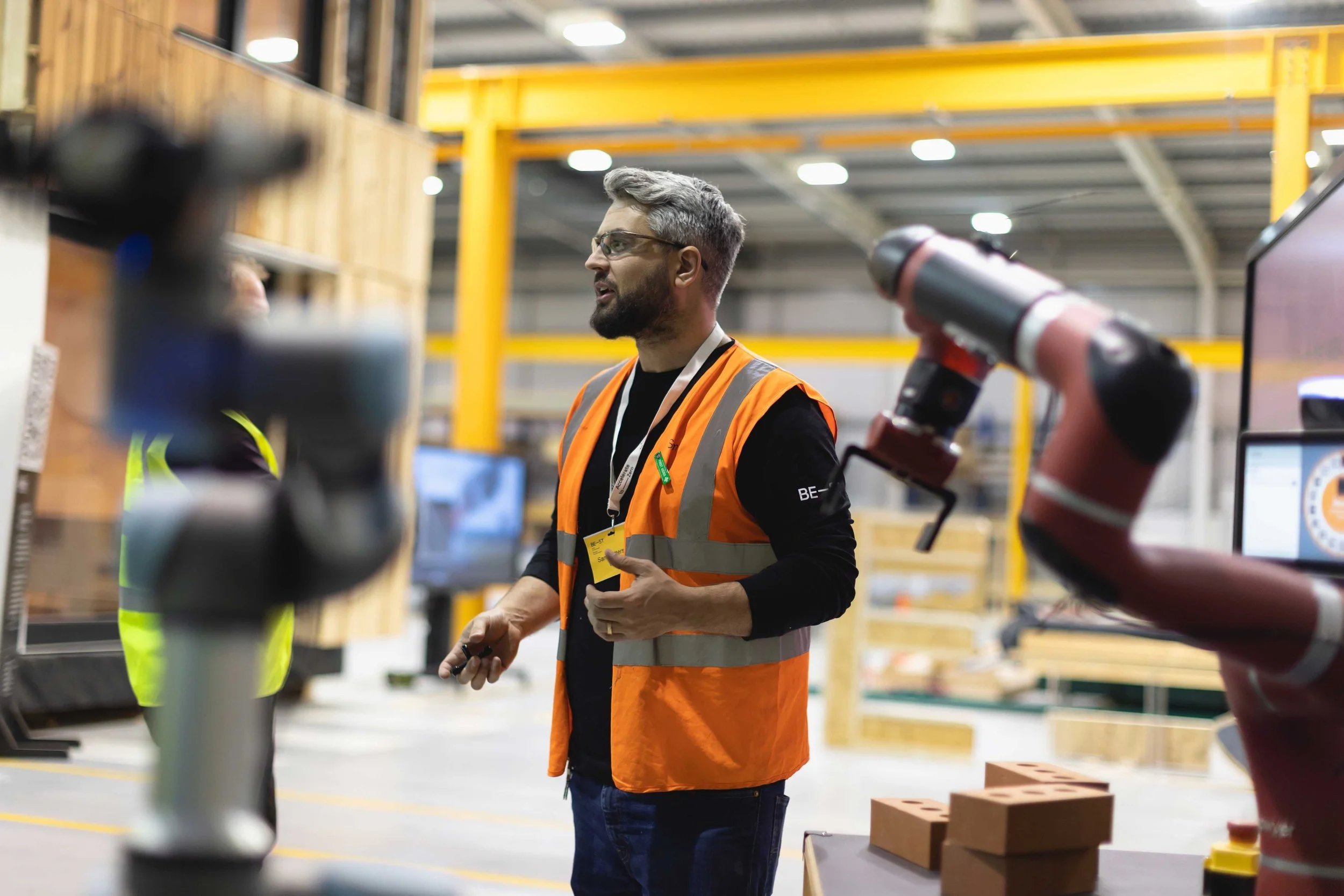
Register for your free tour of the BE-ST Innovation Factory that has been supporting construction-related businesses to collaborate and innovate. The monthly tours cover the role of BE-ST and how our four core programmes intend to support the industry to accelerate the built environment's transition to zero carbon.
Time: 1-2.30pm
Location: BE-ST Innovation Campus, G72 0AH
Blogs
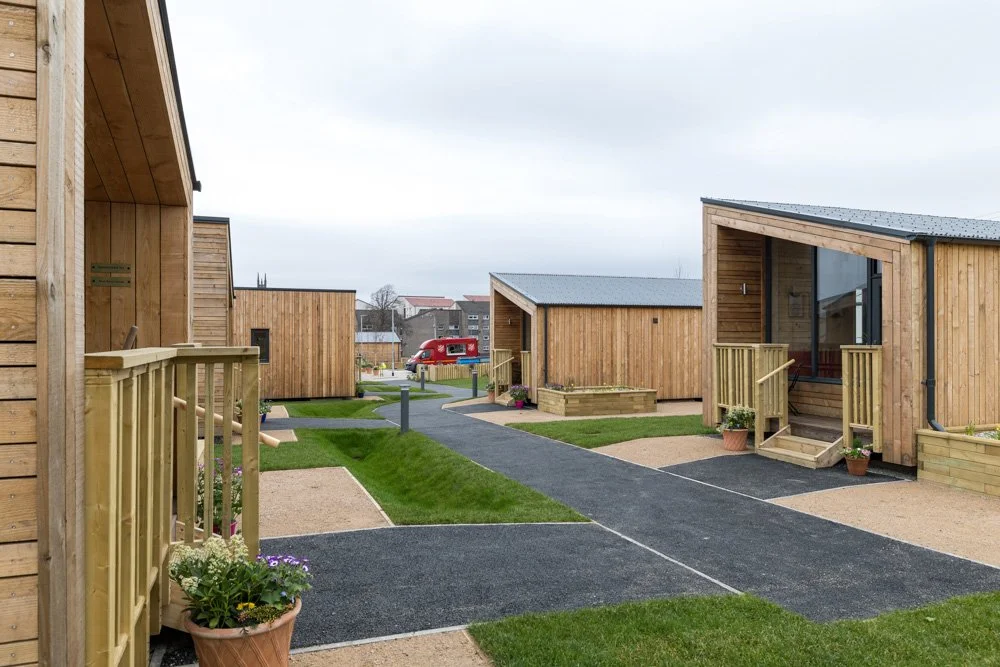

The built environment is all around us, yet the careers shaping it remain largely invisible to young children.
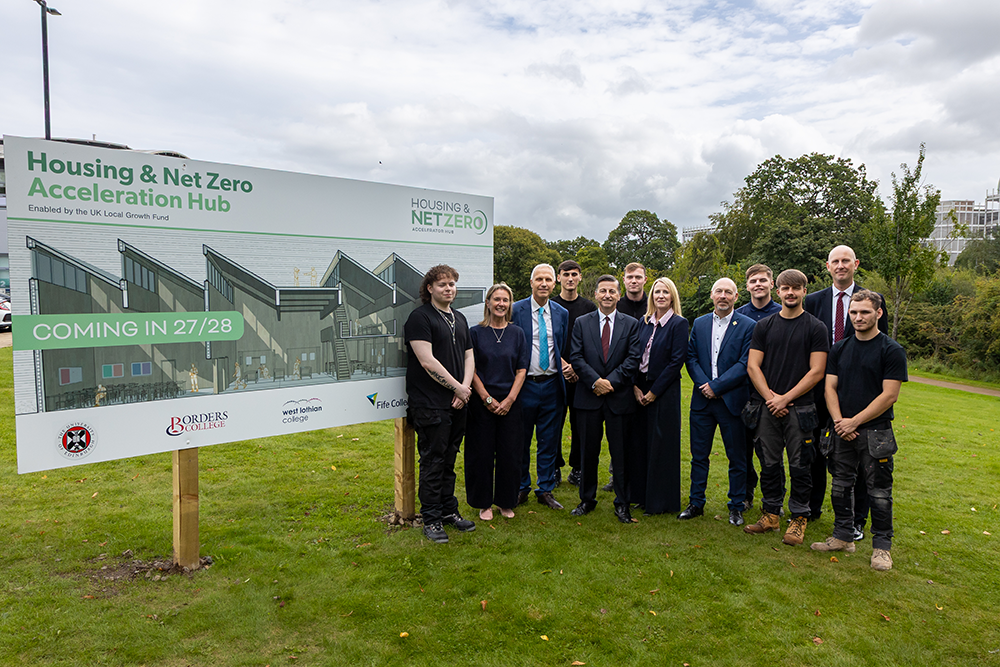
In 2024 the Centre for Net Zero High Density Buildings (CeNZ-HighDB) was founded thanks to funding from UKRI towards Green Economy Centres, as part of the UK’s Building a Greener Future.
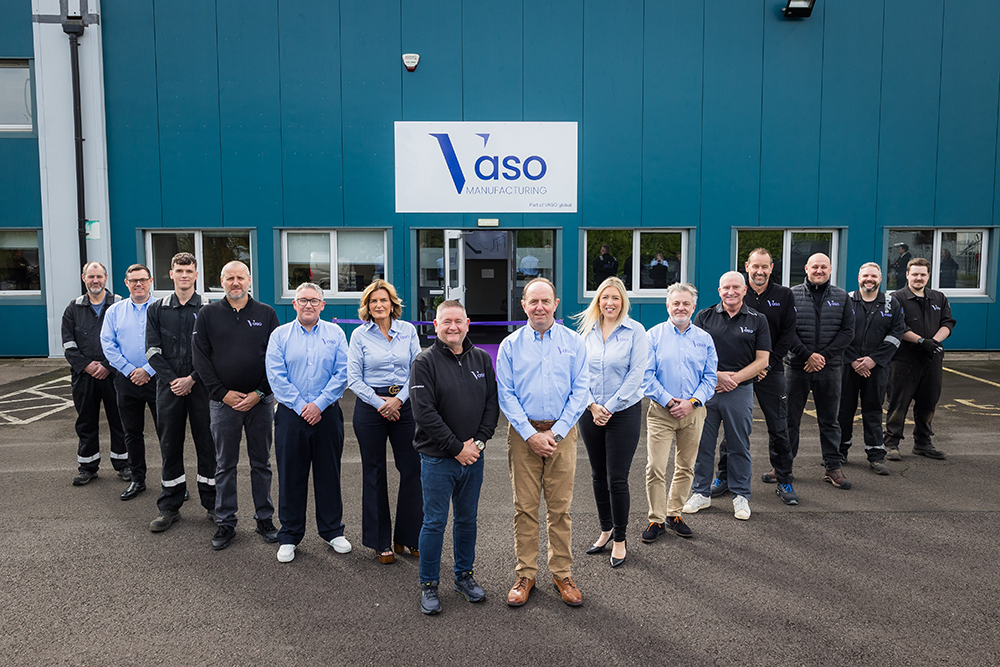
Vaso Global designs, develops, and manufactures structural composite panels from recycled glass, creating build systems for low-carbon, modular homes and buildings that create more opportunities in the built environment.
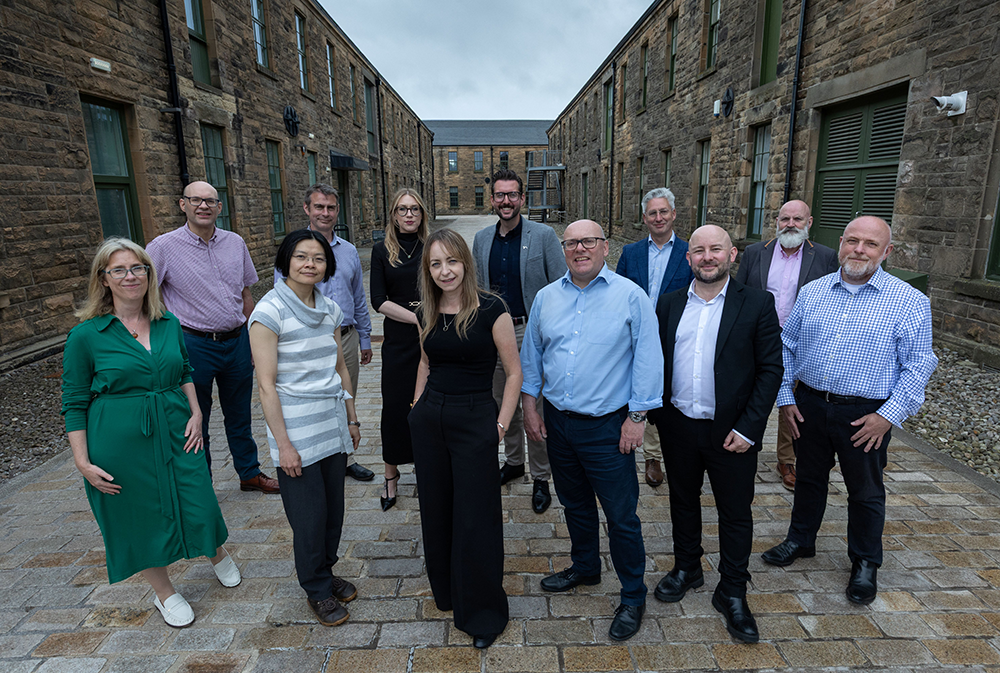
To create a circular built environment, our buildings can no longer be seen as disposable assets, or as the final destination of the materials they're made from. The built environment should instead be seen as an adaptable canvas, which can change and adapt to future needs, with demolition and replacement only when necessary.
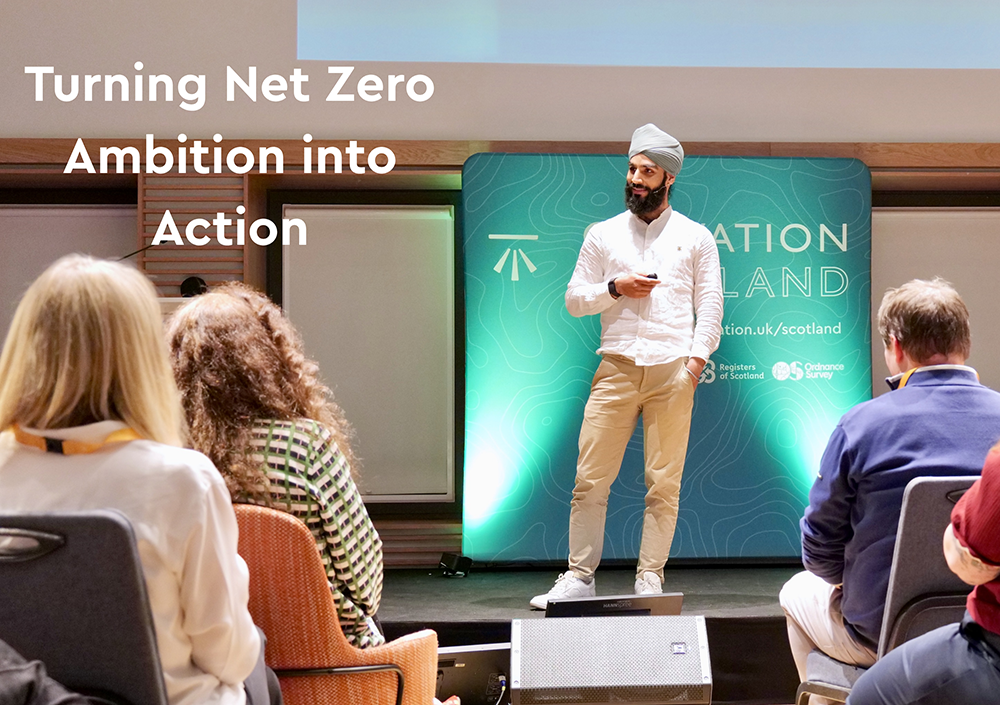
In the face of mounting climate pressures and a rapidly evolving built environment, Geovation Scotland is supporting innovation from early stage to scaling, through building a vibrant community, facilitating connections and running an annual accelerator programme.
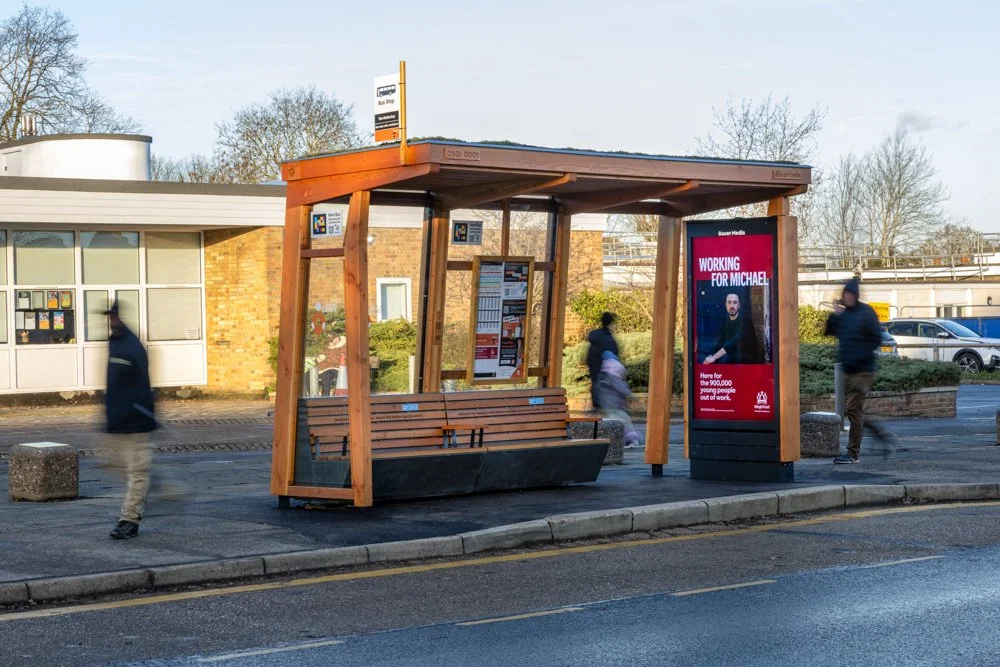
Transform-ER is a new integrated retrofit delivery model designed for social landlords and local authorities. Its first demonstrator home was completed in December 2025 on the Becontree Estate in the London Borough of Barking and Dagenham, taking the property from EPC D to A in four weeks and at roughly half the cost of comparable previous schemes.
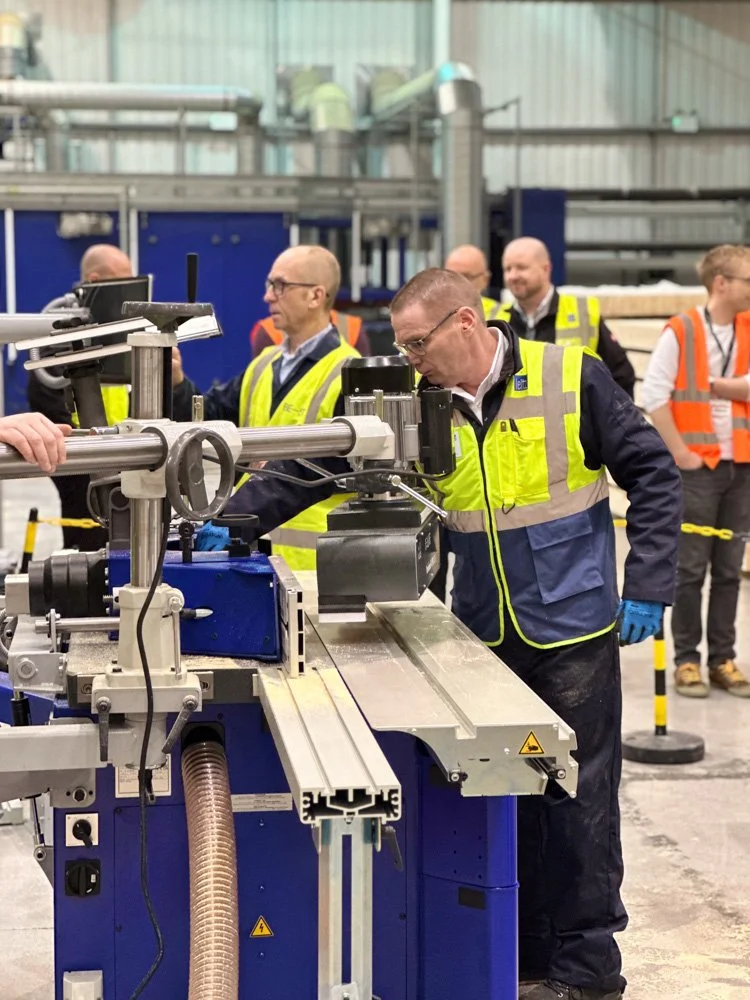

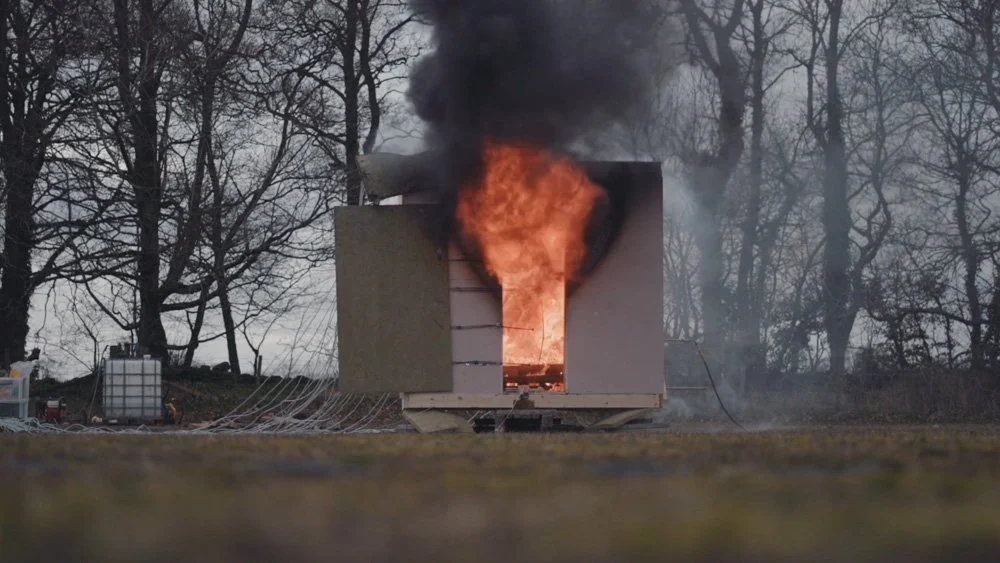
A new research project led by BE-ST and the University of Edinburgh has provided one of the clearest pictures yet of how stakeholders view fire safety in mass timber buildings and what needs to happen next to unlock wider adoption.
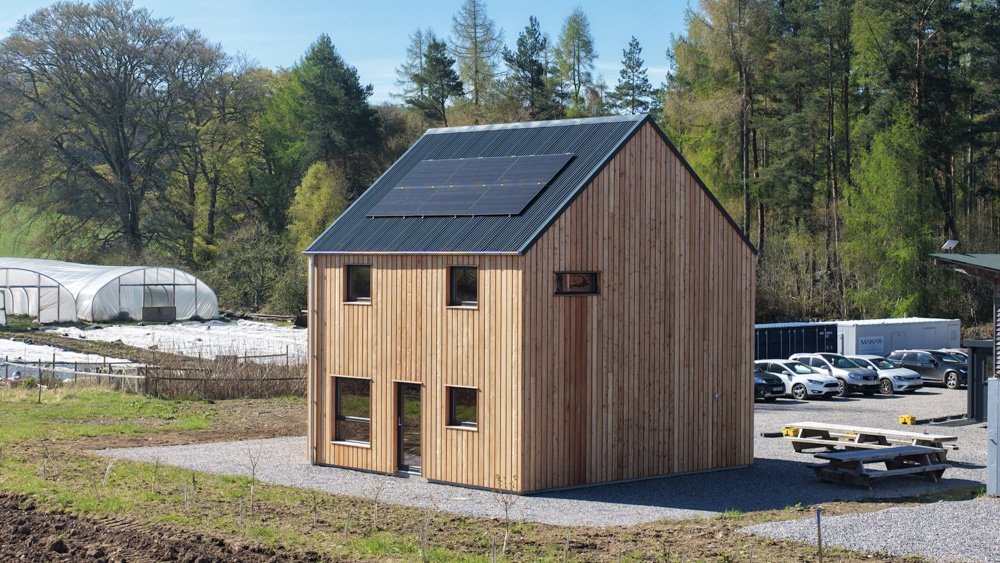


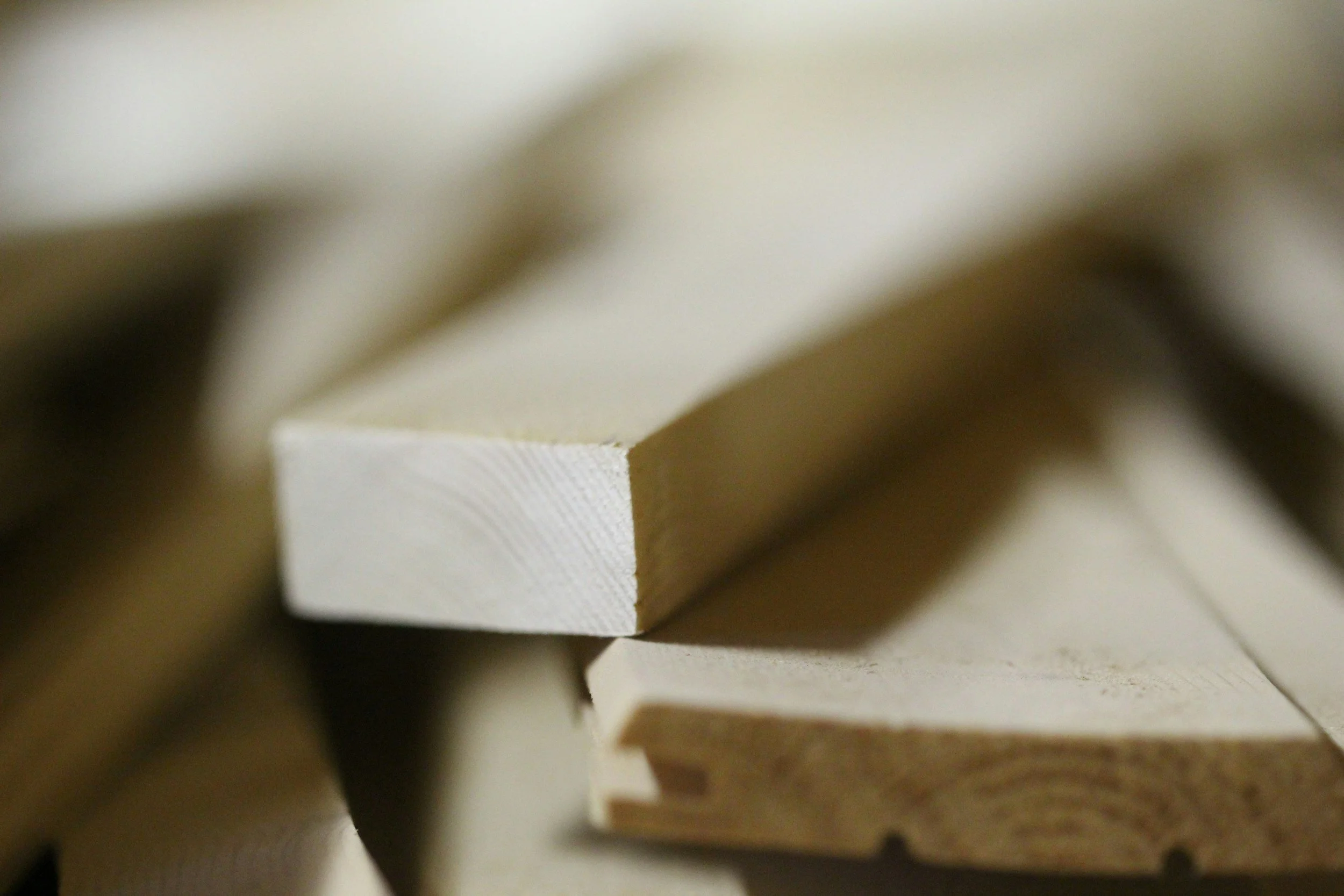
The UK needs 300,000 new homes every year. Timber is widely seen as one of the most promising materials to help meet that target; it’s renewable, lightweight, stores carbon, and increasingly competitive for off-site manufacturing.
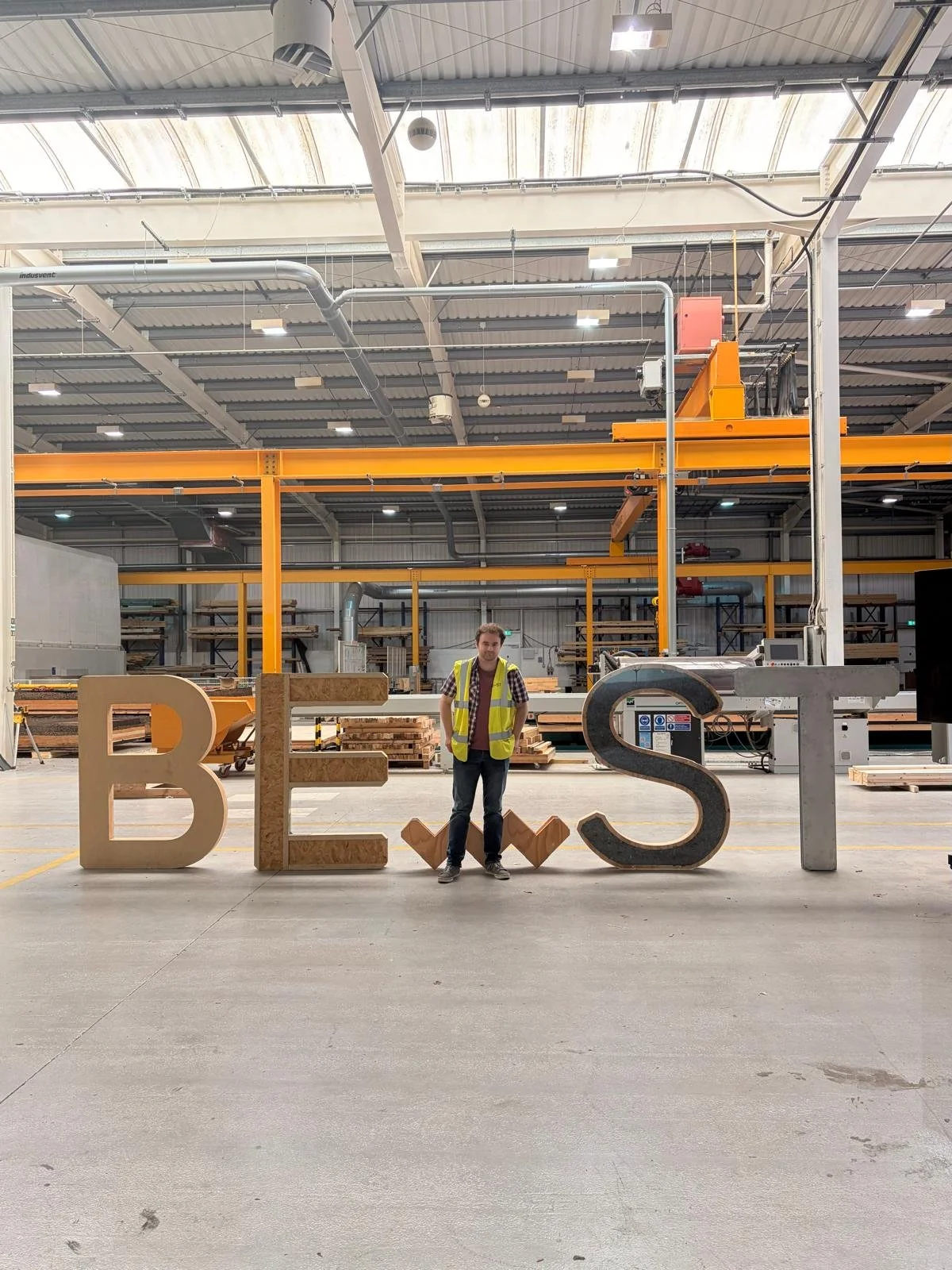
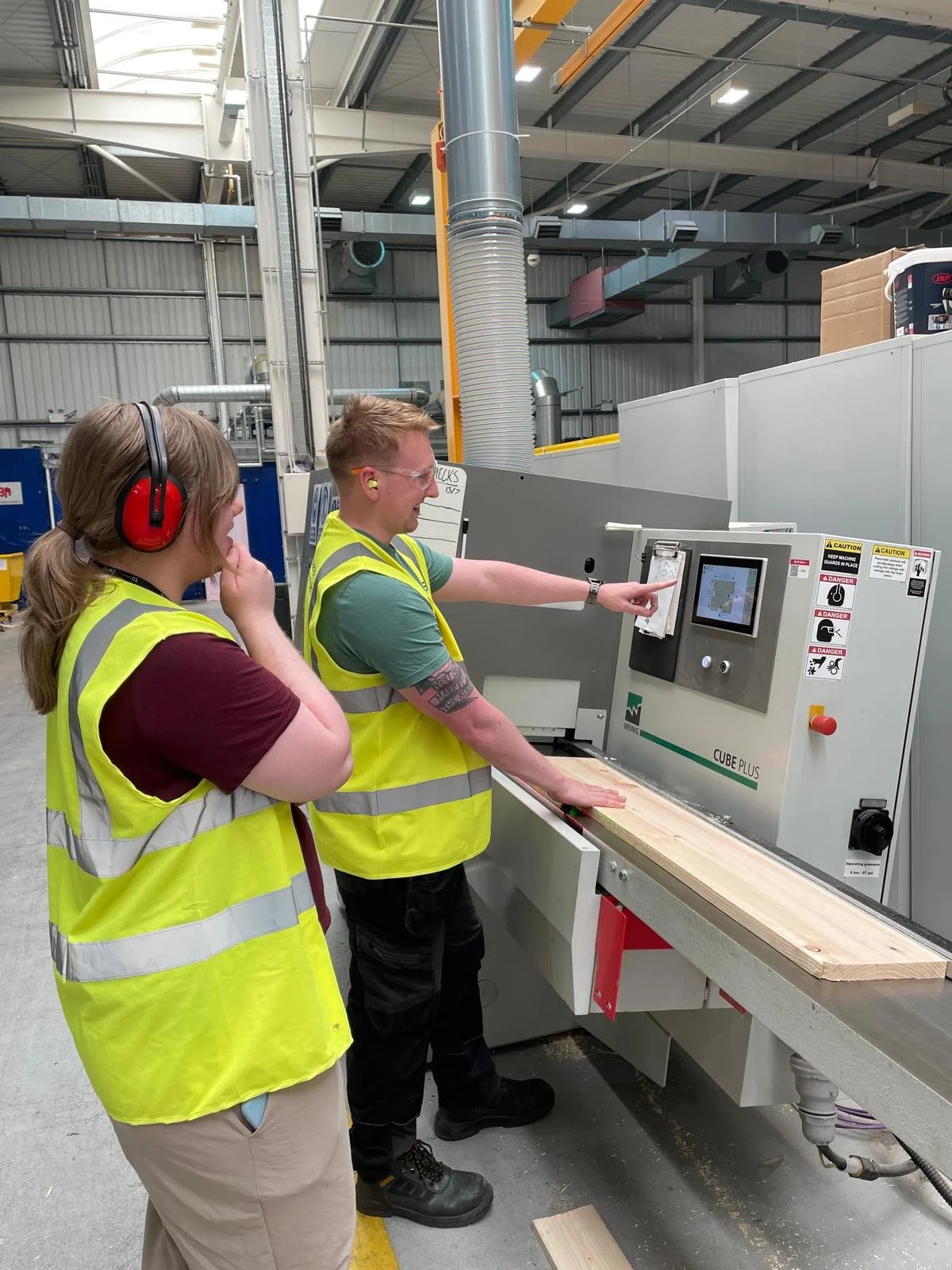
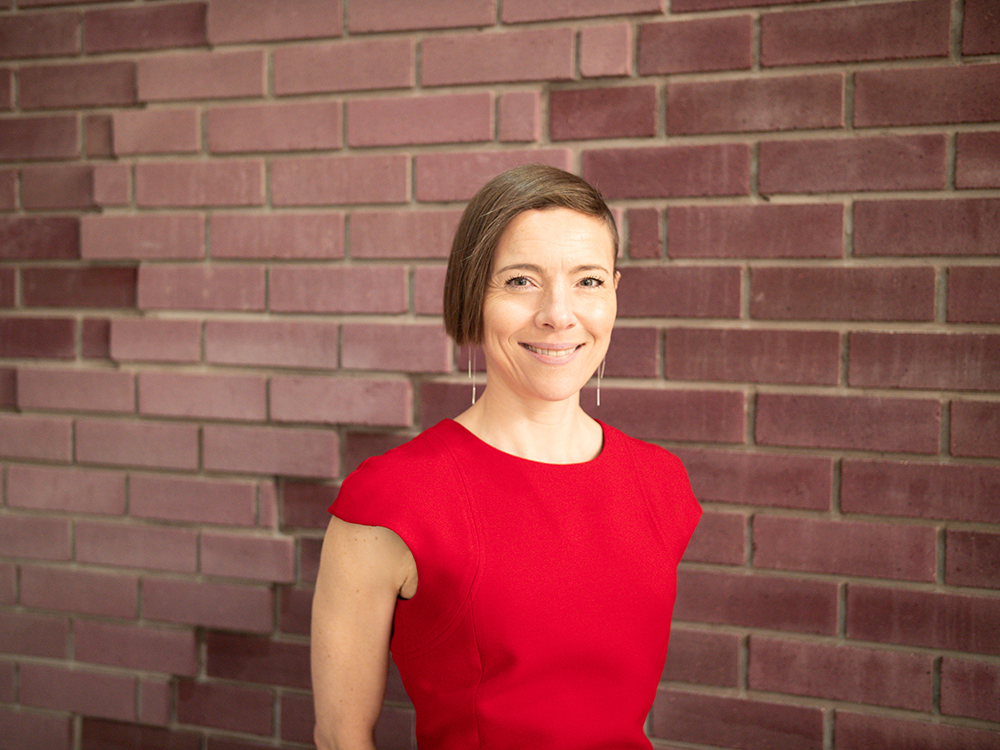
Meet our newest team member - Ketty Lawrence, who will be joining BE-ST over the next 12 months as Associate Director of Stakeholder Engagement. We’ve asked her some quick-fire questions in a '60 Seconds With' spotlight to help get to know her a little better.

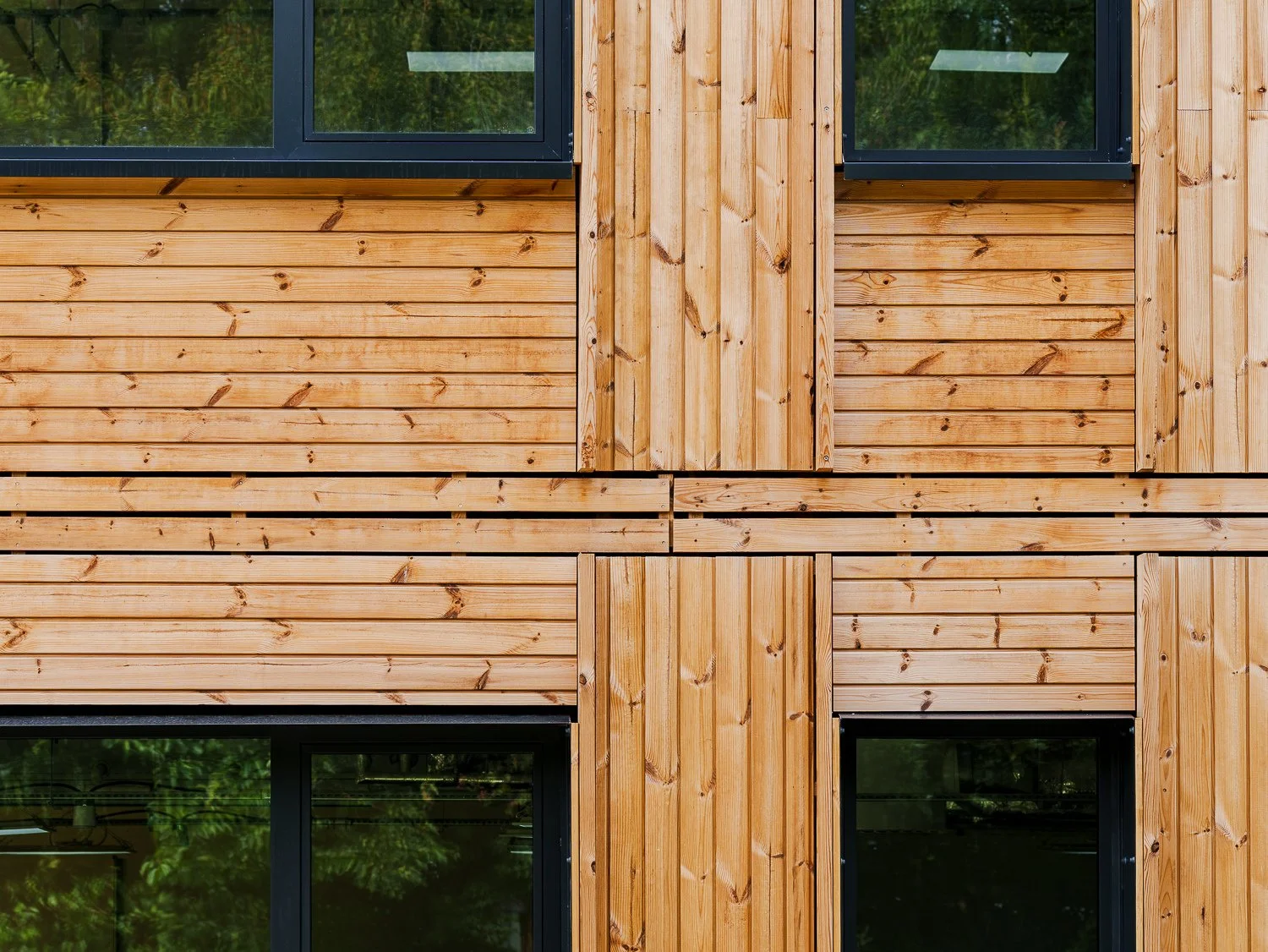
Hugo Taillandier has spent a decade working in construction, on site and in factories with some of the UK's leading timber specialists. Trained in architectural technology and mechanical engineering, and now leading training programmes at BE-ST, he is one of the key people delivering the upcoming Timber in Construction Skills initiative. Here, he makes the case for why it matters and why now is the time to act.
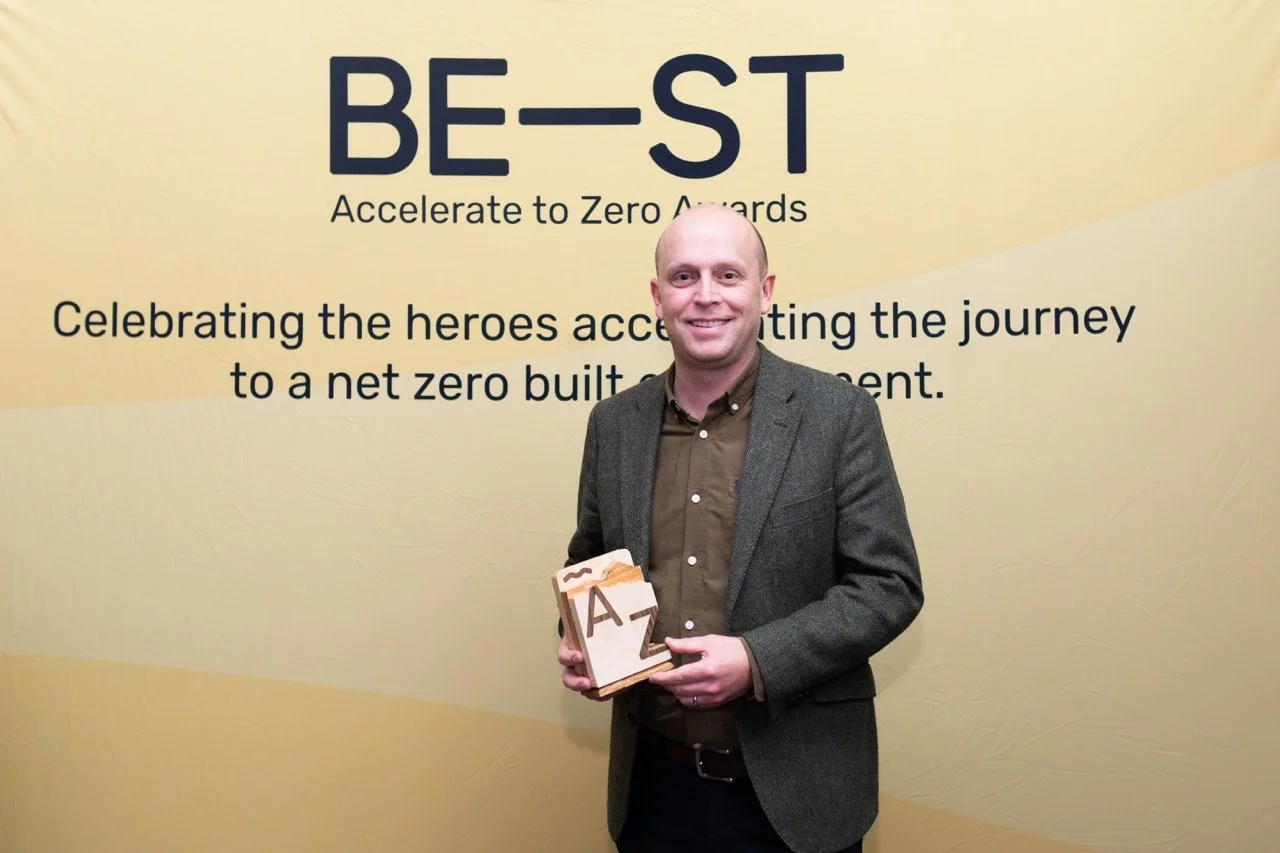
Matthew Clubb is an Aberdeen-based director of mwclubb, a practice specialising in low-energy architecture and the retrofit of existing buildings. A former oil and gas engineer, Clubb transitioned into architecture after a personal journey into climate science that left him shocked by the severity of the climate crisis.
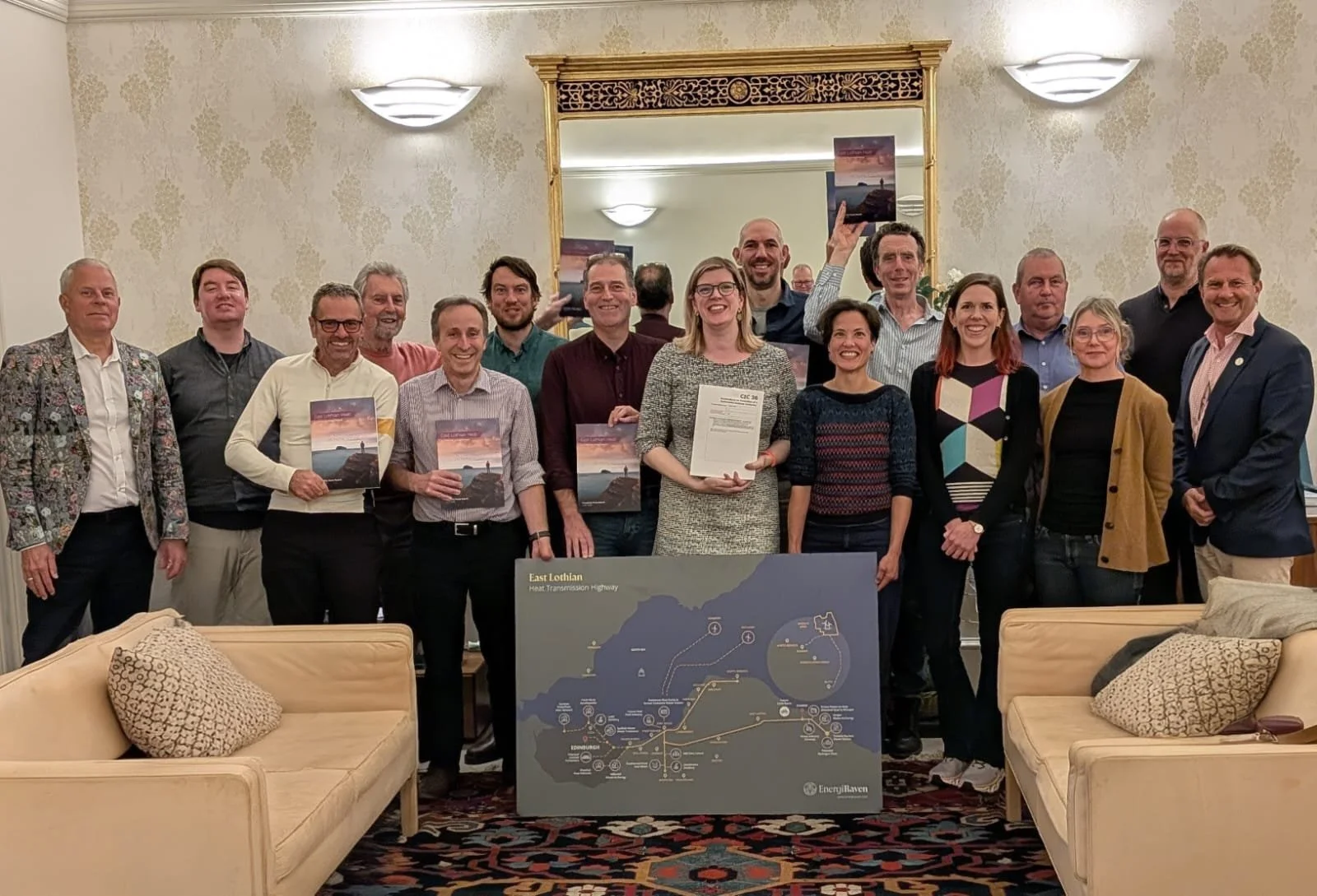
Lothian Heat is a new regional organisation exploring how large-scale heat networks could be delivered differently in the East of Scotland. Its core proposition is straightforward but ambitious: capture waste heat that is currently being thrown away, move it to where demand is highest, and deliver it at the lowest possible cost with community ownership embedded over the long term.

Construction and demolition produce nearly half of Scotland’s waste, and much of that arises not out of necessity, but due to underuse of reuse opportunities. Zero Waste Scotland is tackling these issues, pushing for a shift from linear “take, make, waste” models to a circular, resource-efficient built environment.
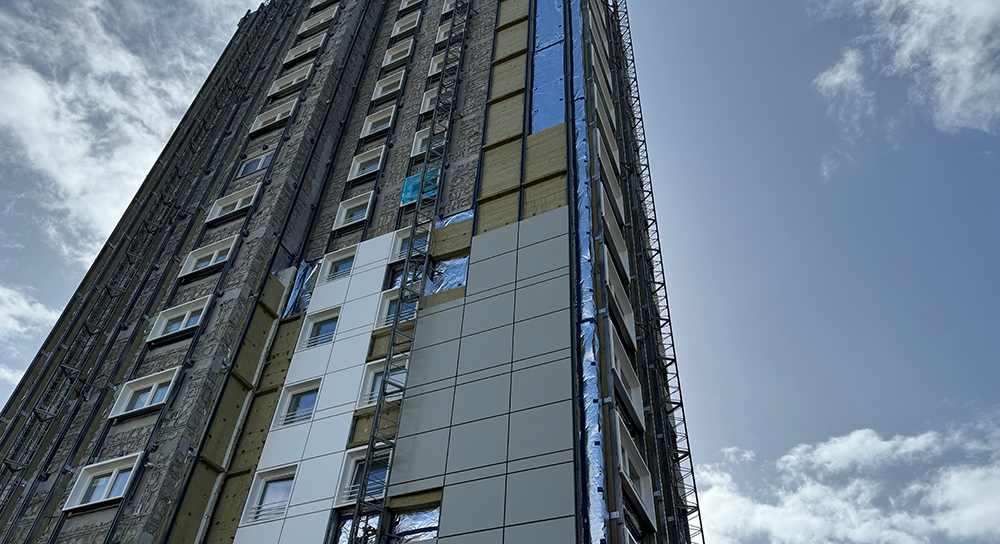
Kier is helping redefine the future of housing decarbonisation in Scotland. Its work at Prospecthill Court in Greenock has become a national exemplar, demonstrating genuine ambition to set new standards for energy efficiency, stakeholder collaboration, and social value.
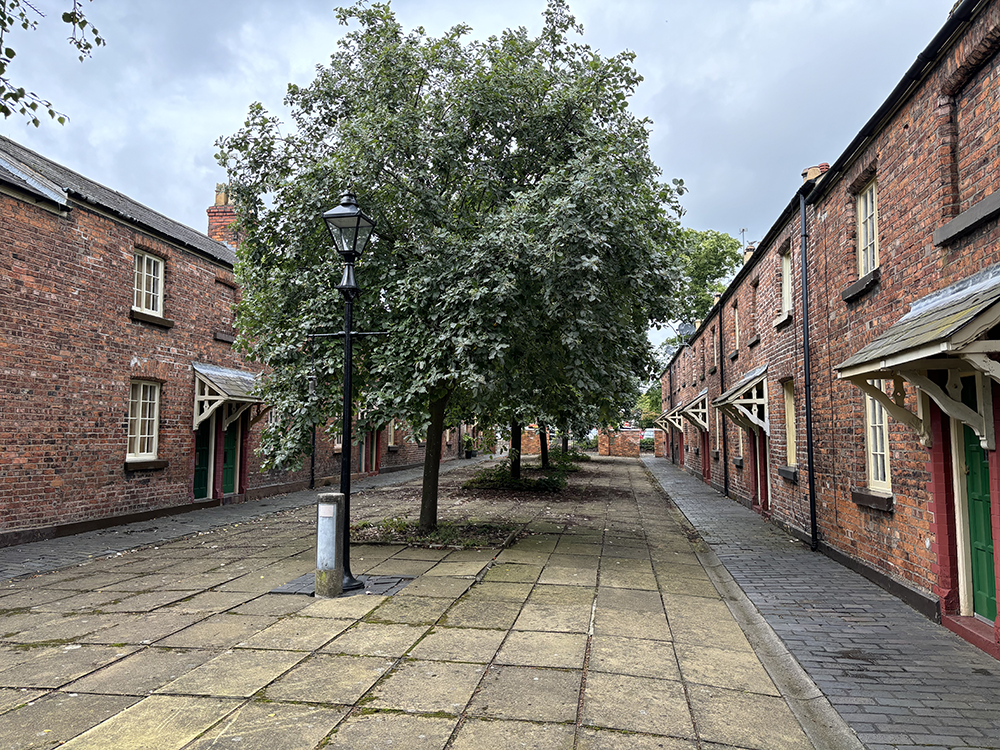
In response to the climate emergency, Cheshire East Council commissioned Purcell to lead the retrofit of a series of Grade II listed railway cottages in Crewe. These Victorian homes, constructed between 1848 and 1858 for railway workers, are deeply embedded in the town’s industrial heritage and architectural identity.
Case studies
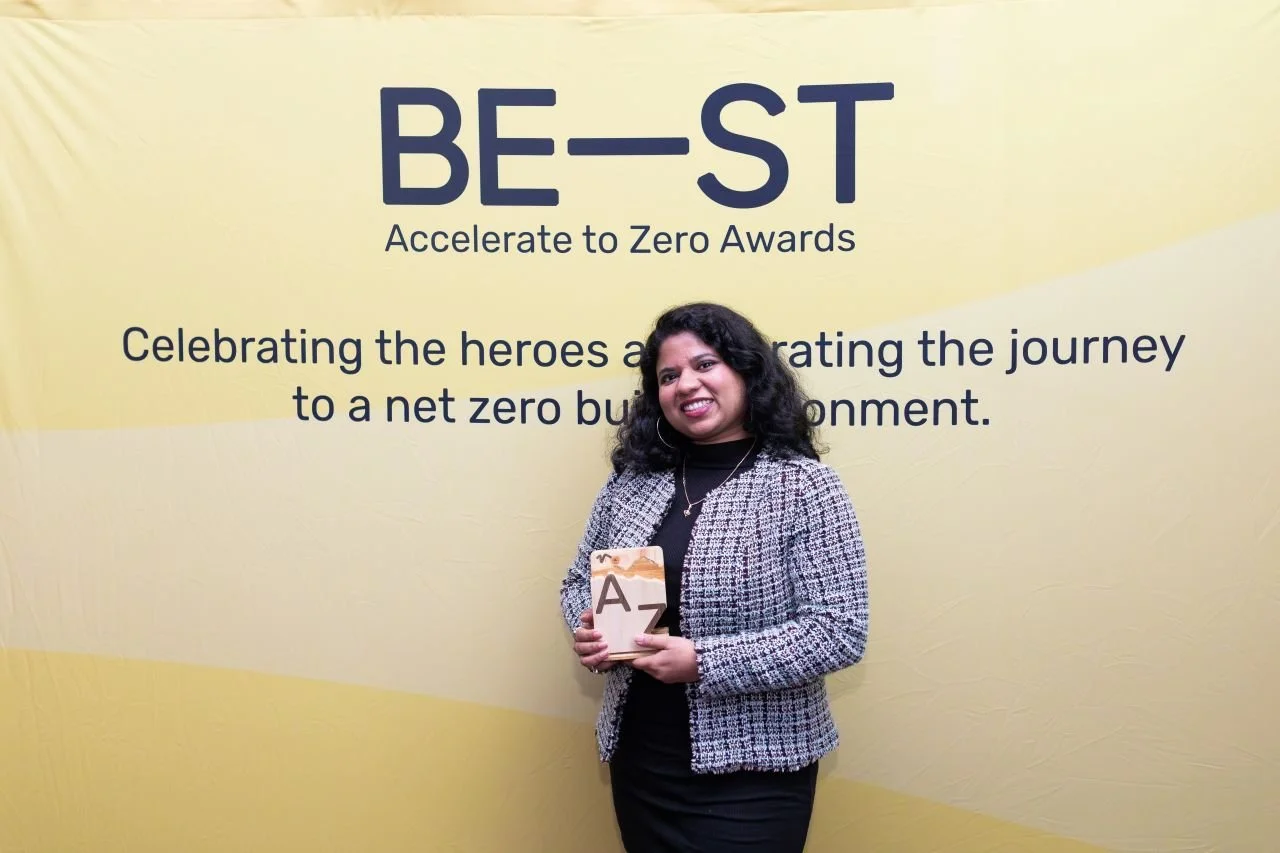
Gayatri Vijay Kale was awarded the BE Changemaker Award at the Accelerate to Zero Awards 2025.
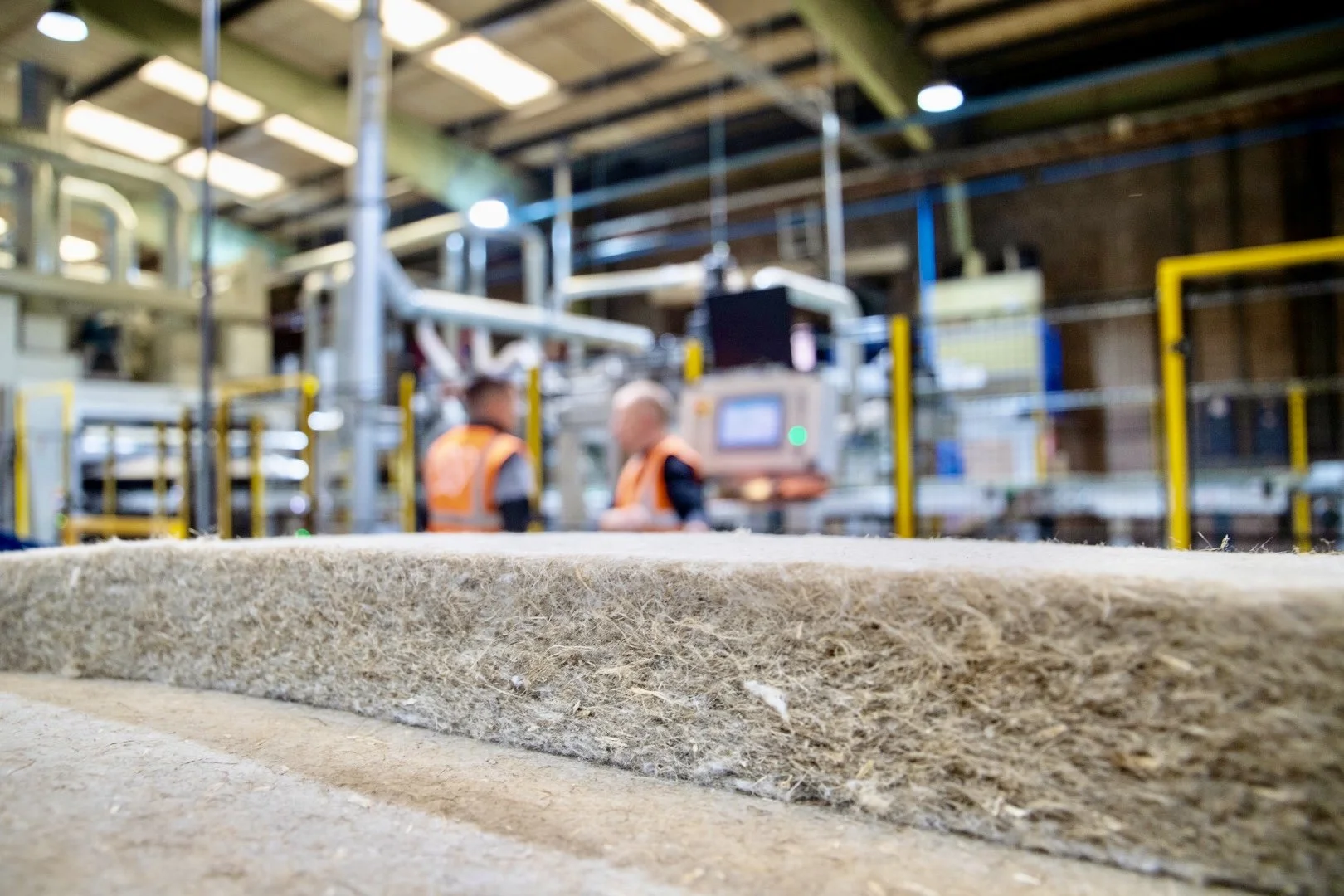
Based in the Scottish Borders, IndiNature is the UK's only dedicated manufacturer of natural fibre insulation made from industrial hemp. Their products, IndiTherm and IndiBreathe Flex, are carbon-negative, non-toxic, and designed to be removed, reused, or returned for recycling at the end of their service life.
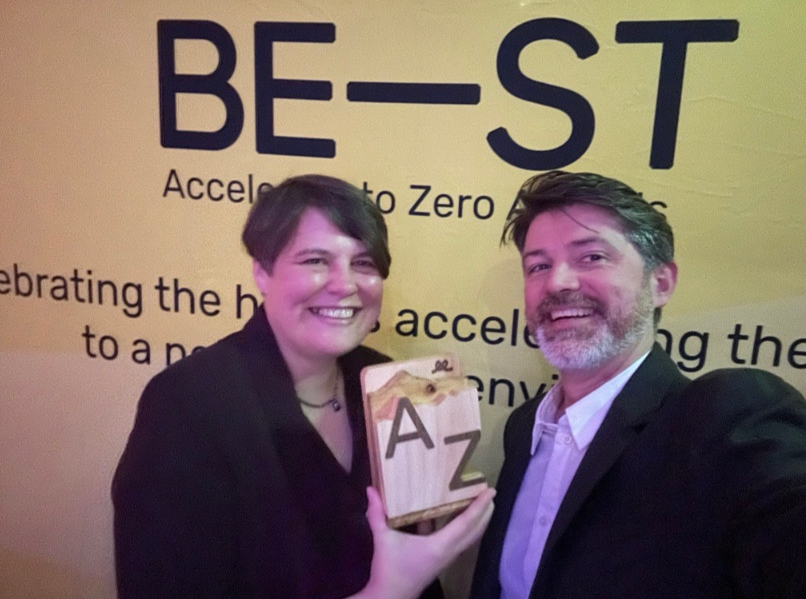
Changeworks is a Scottish social enterprise on a mission to decarbonise 180,000 homes by 2030. Their work sits at the intersection of climate action and social justice, and their approach to equality, diversity and inclusion (EDI) reflects that same dual commitment.
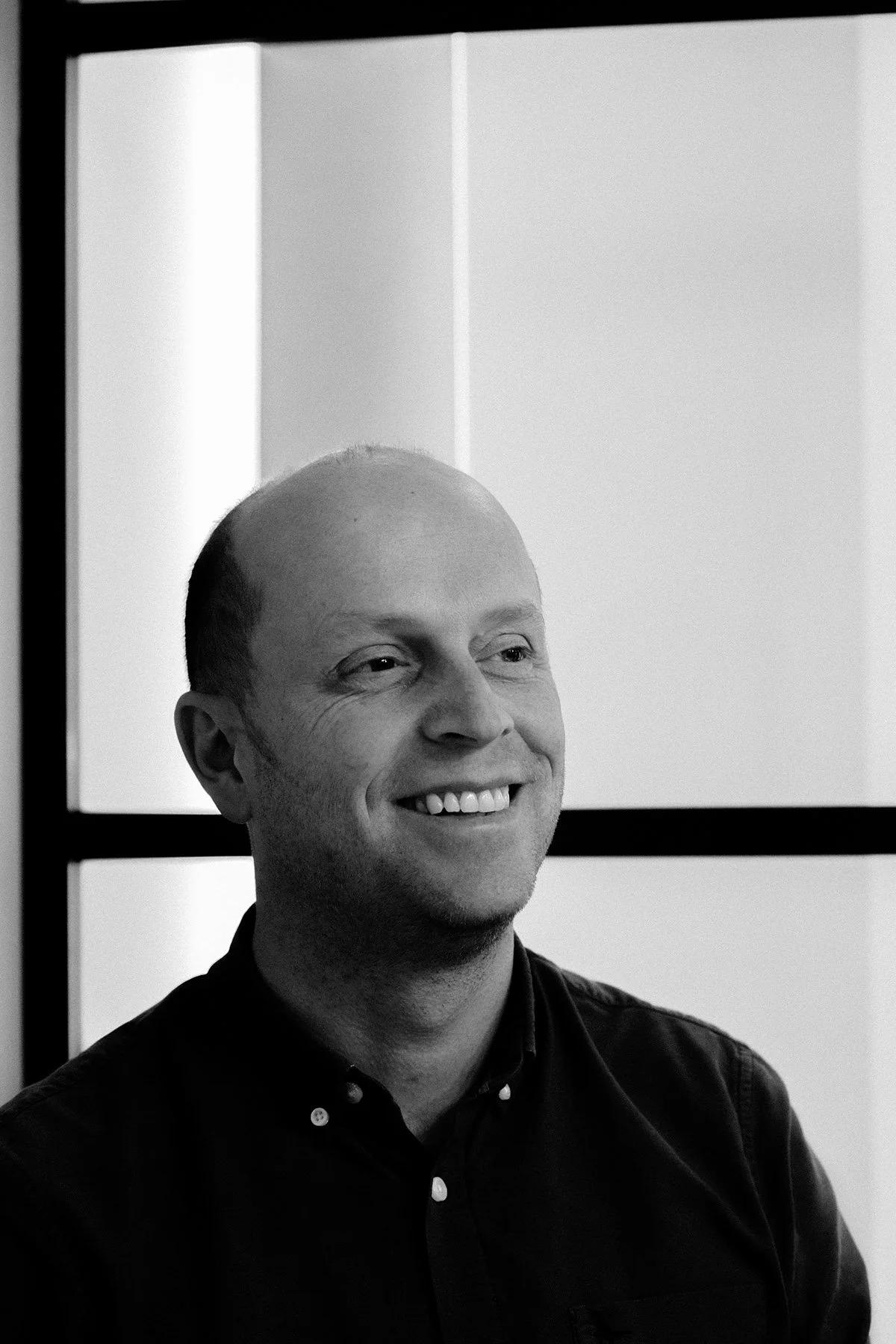
Matthew Clubb is an Aberdeen-based director of mwclubb, a practice specialising in low-energy architecture and the retrofit of existing buildings. A former oil and gas engineer, Clubb transitioned into architecture after a personal journey into climate science that left him shocked by the severity of the climate crisis.
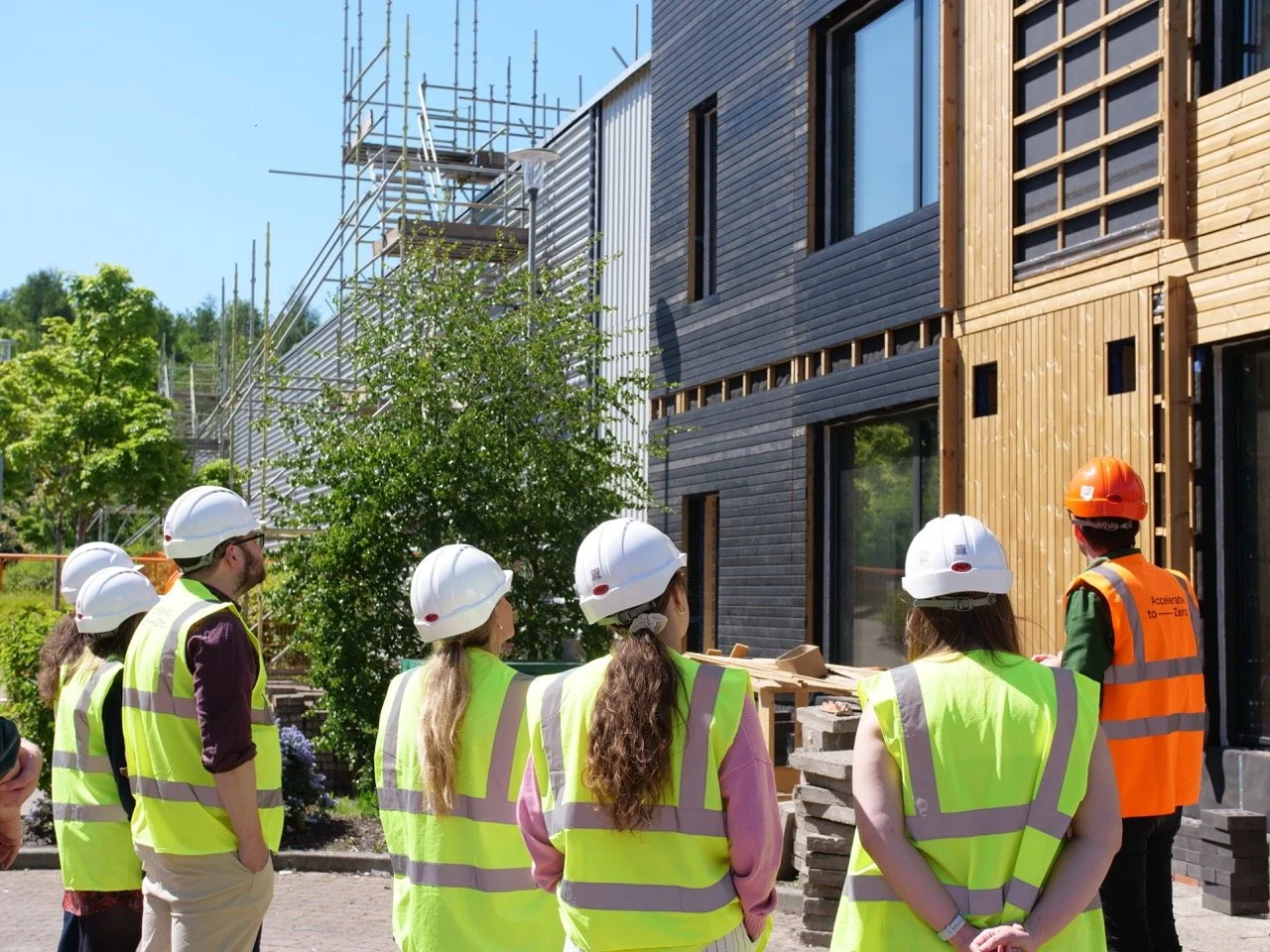

The first example of curved Cross Laminated Timber (CLT) made from English timber demonstrates the benefits of building from UK-sourced wood to over 3.1m visitors per year.
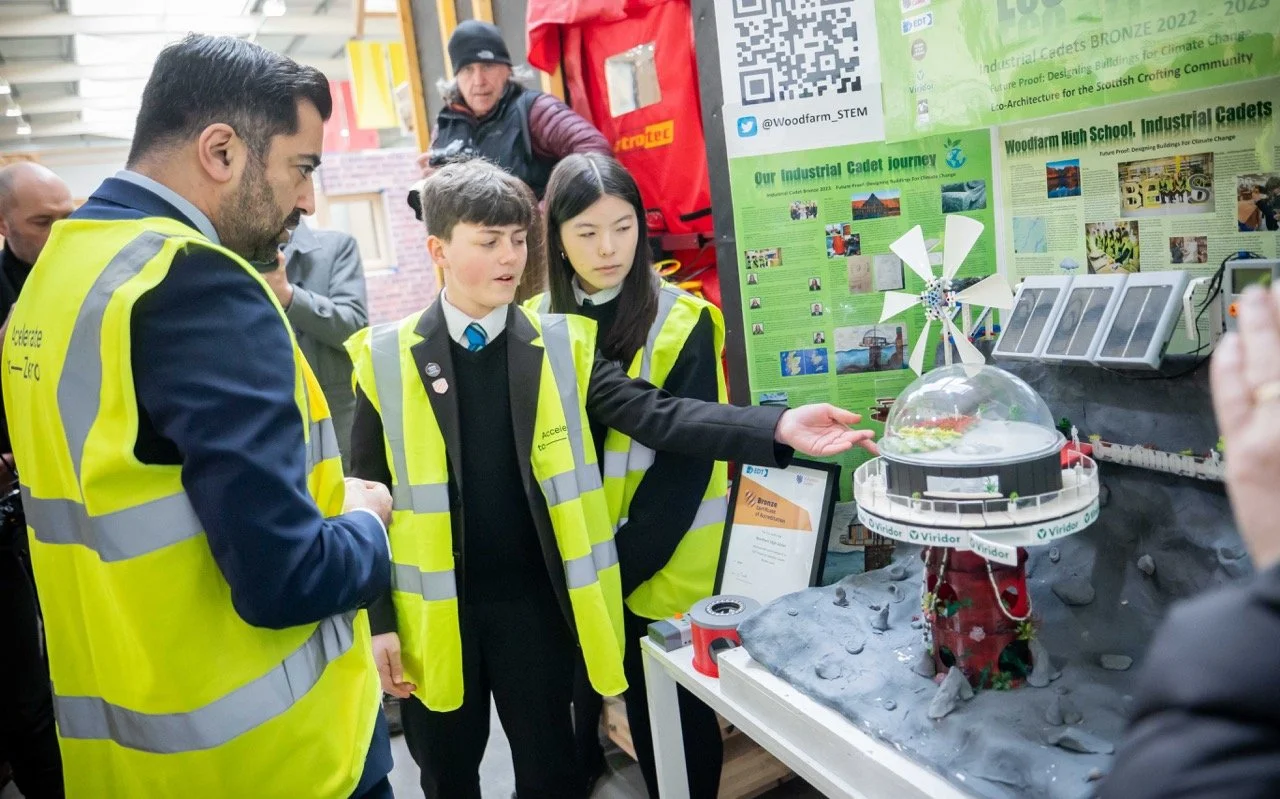
For the past four years, BE-ST has acted as an industry mentor through the Engineering Development Trust’s (EDT) Industrial Cadets programme, working closely with pupils from Woodfarm High School on STEM-related industrial challenges.

Energy Saving Trust runs the Green Heat Installer Engagement Programme, which provides support for businesses in Scotland to help them to participate fully and effectively in the supply chain for clean heat, energy efficiency and microgeneration installations.

Hub West Scotland is a private sector development company who work in partnership with the public sector in the West of Scotland. They were interested, not only in understanding how best to develop these strategies across large, varied estates, but also how local authorities and other public bodies could benefit from working collaboratively to tackle this challenge, and so created the Net Zero Collaboration Group.
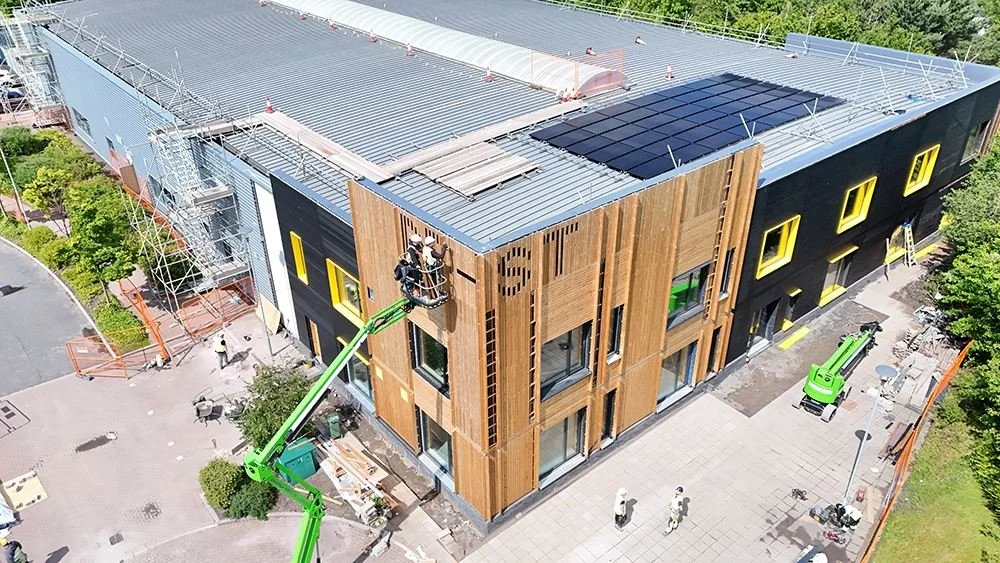
The first phase of work in the retrofit of Scotland’s National Retrofit Centre (SNRC) is now complete. But what has the project taught us, and what’s next?
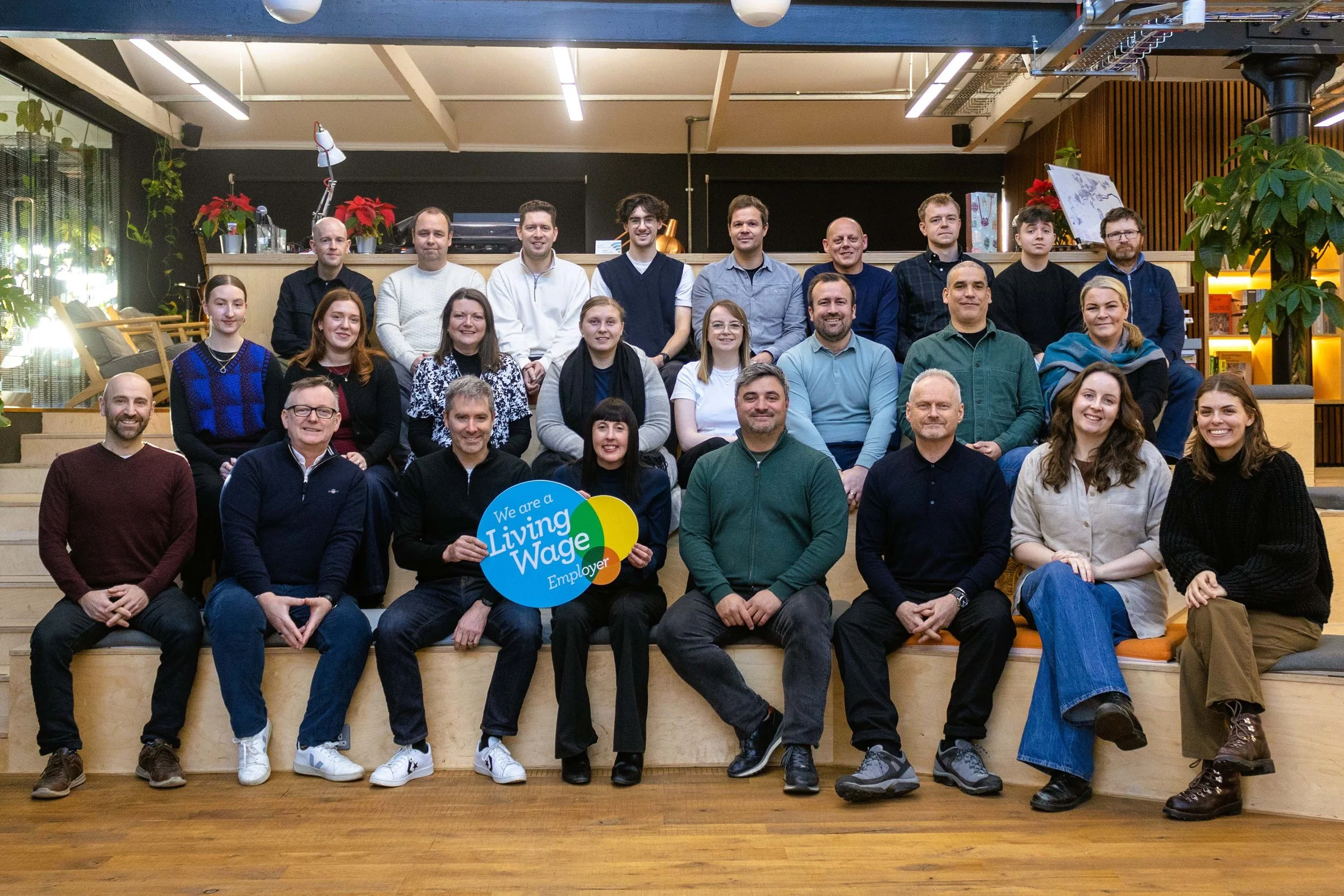
Winners of the 2024 Accelerate to Zero Diversity and Inclusion Award, Threesixty Architecture have been recognised for embedding equity, diversity and inclusion (EDI) across every level of their business, from internal culture to industry influence.
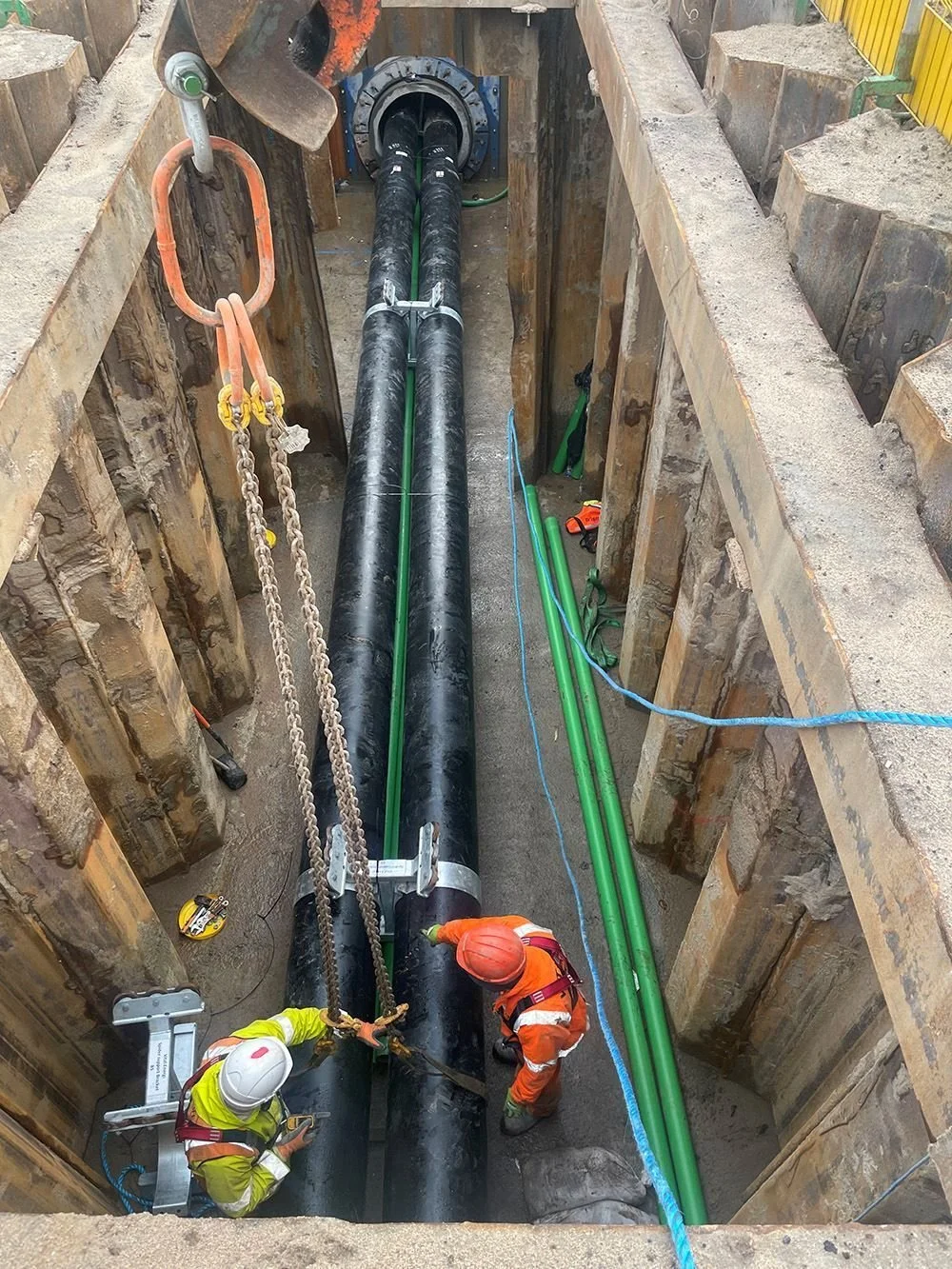
The Torry Heat Network in Aberdeen is a landmark project that demonstrates how retrofit heat networks can deliver both climate and social impact.

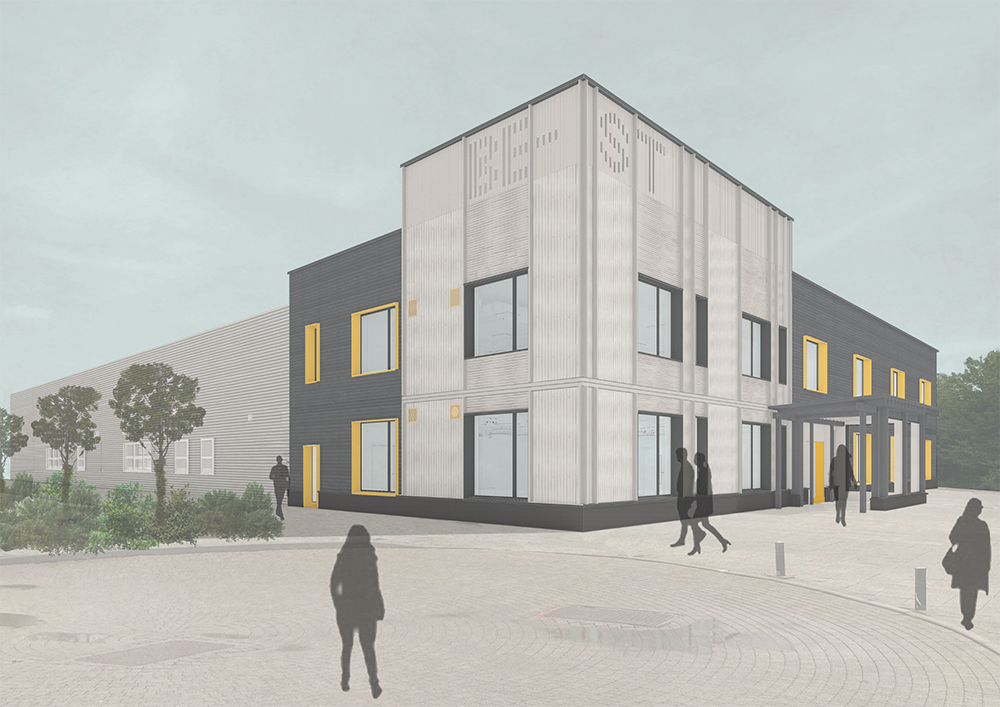
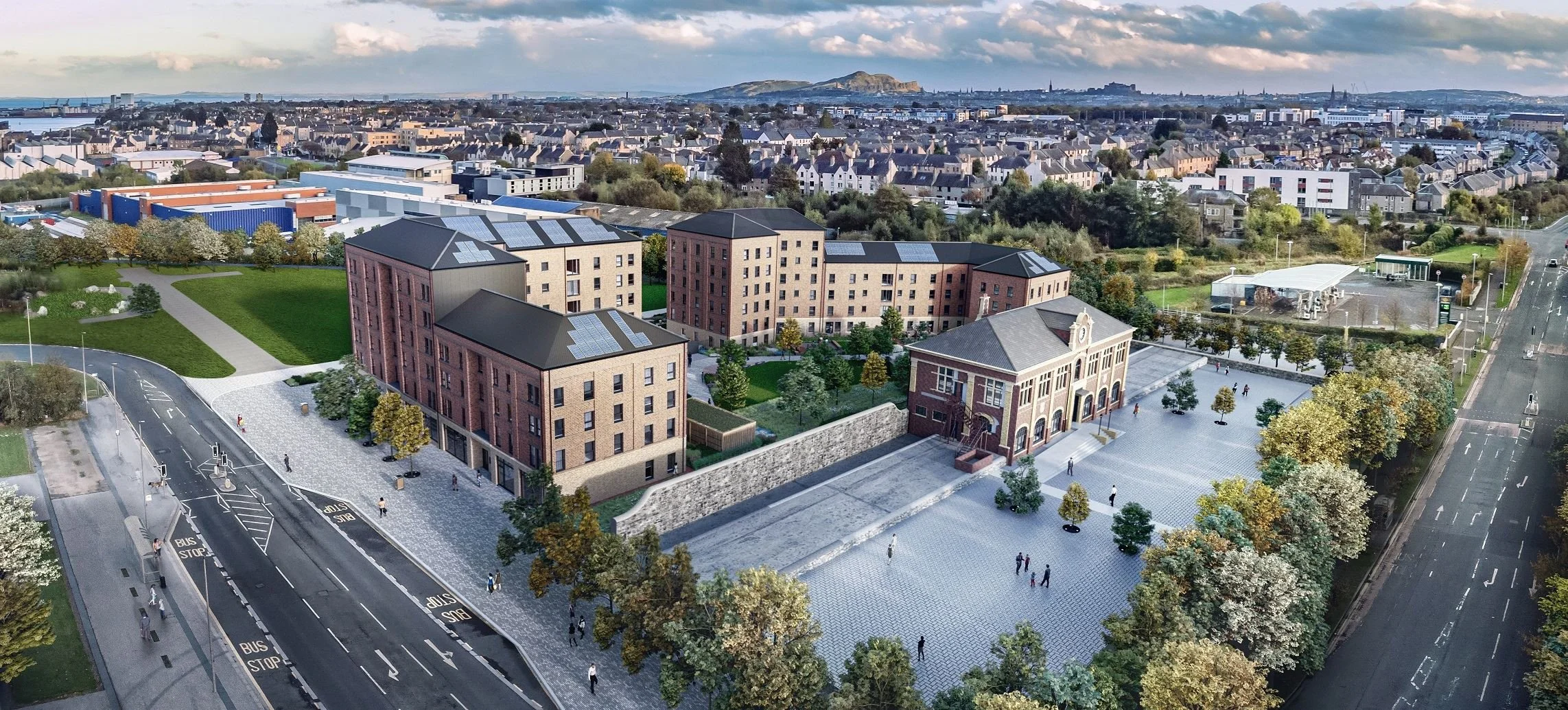
The Edinburgh Home Demonstrator – a new business model for affordable homes built to net zero standards using offsite construction.

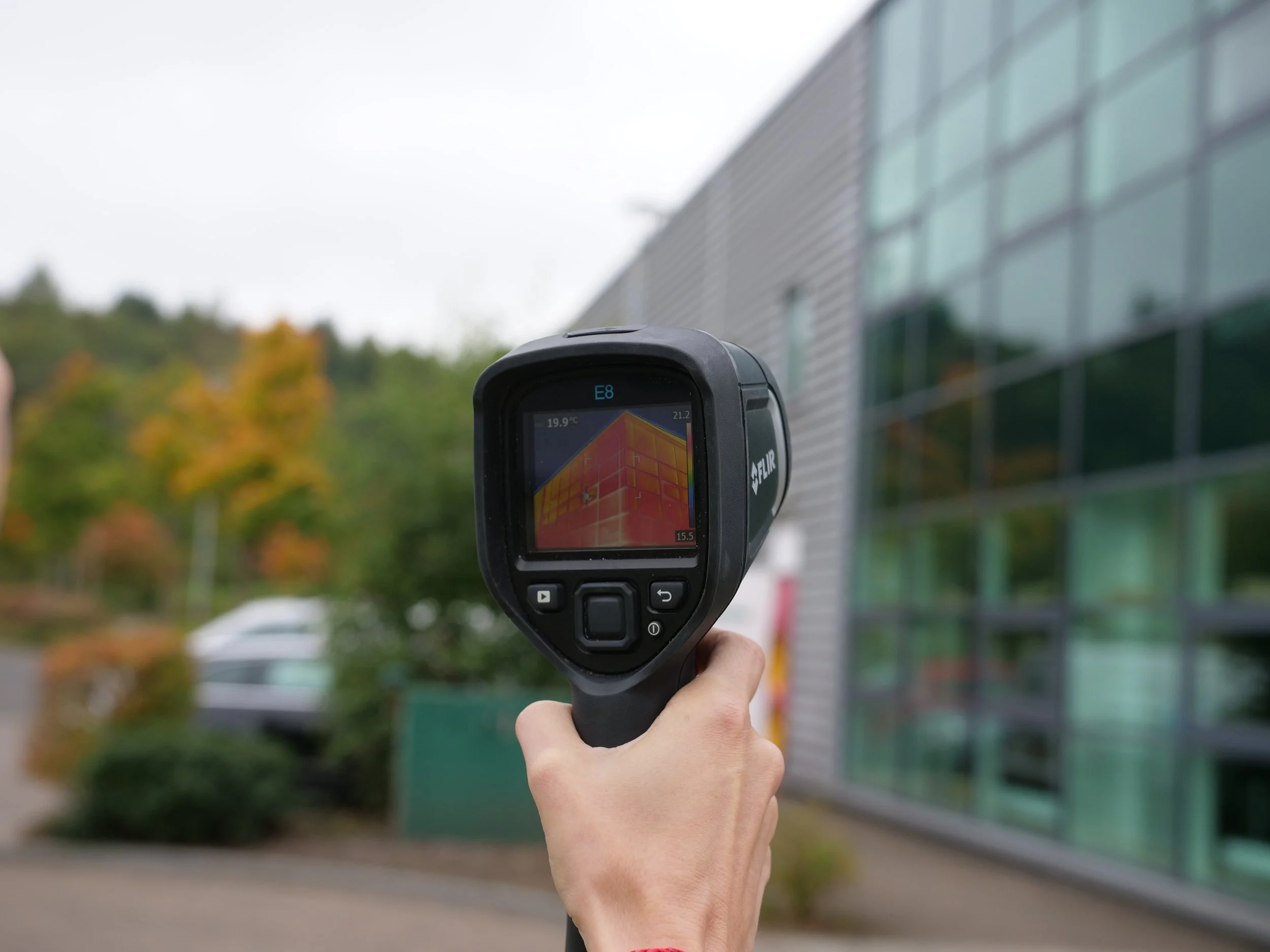

Get to know Sisaltech, a small but growing company passionate about creating a low-carbon future by producing sustainable building insulation made from sisal and wool.

CLIMAVORE CIC is on a mission to develop sustainable ways of living on and with the coast in response to the climate crisis.
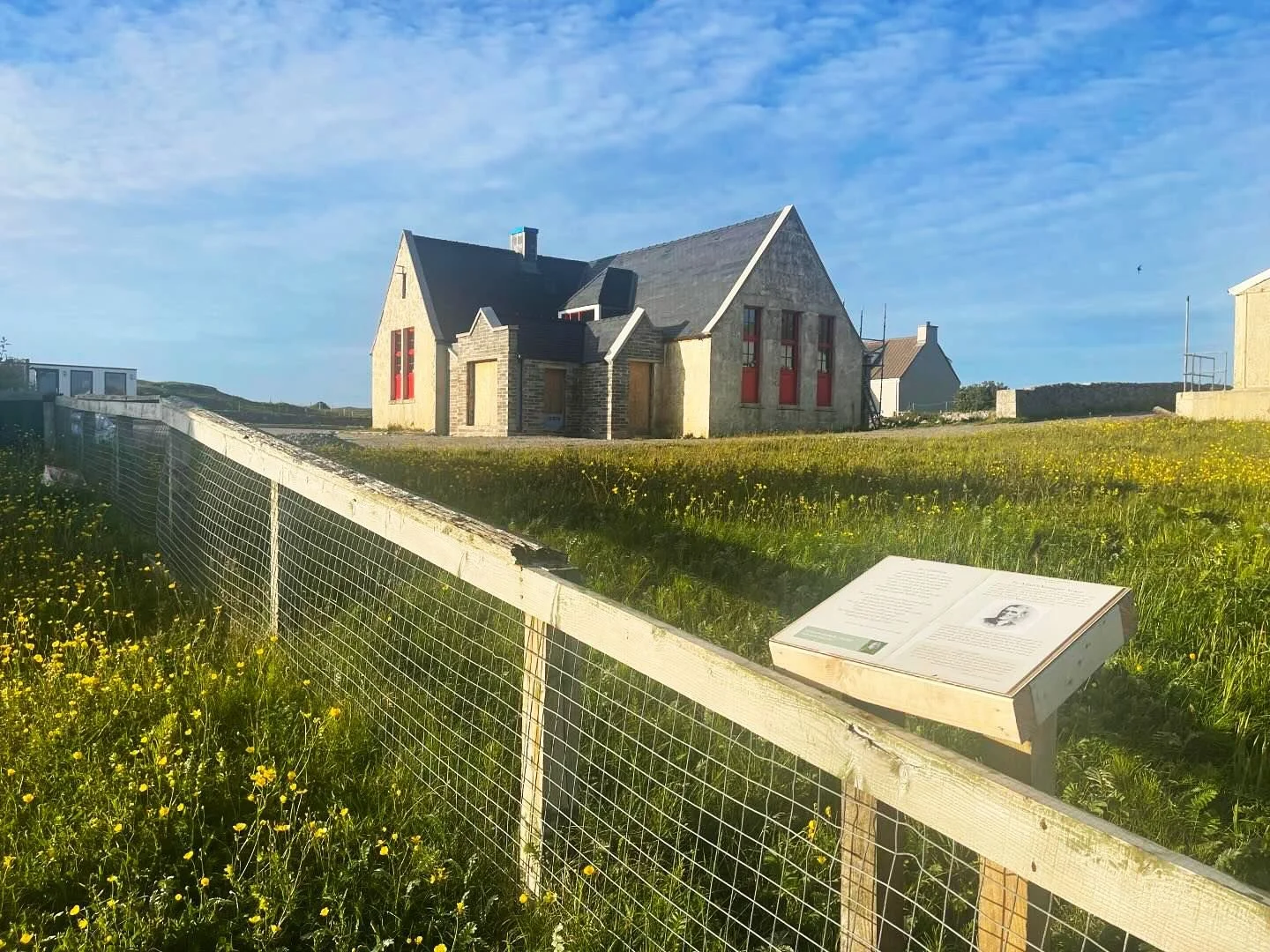
Eriskay Historical Society, a community-led group that is committed to preserving Eriskay's heritage. The group is transforming the island's old schoolhouse into a local heritage museum while putting sustainability, and people, at the heart of the development. The initiative is a shining example of the Just Transition in action.

VASO Build Limited provide ecological services across sectors with the intent of bringing wider benefits to society. They are looking to realise these benefits through Modern Methods of Construction (MMC) and a new sustainable panelling system.

Meet Brewster Brothers, a company shifting the way the construction and demolition industry in Scotland treats waste and consumes natural resources.

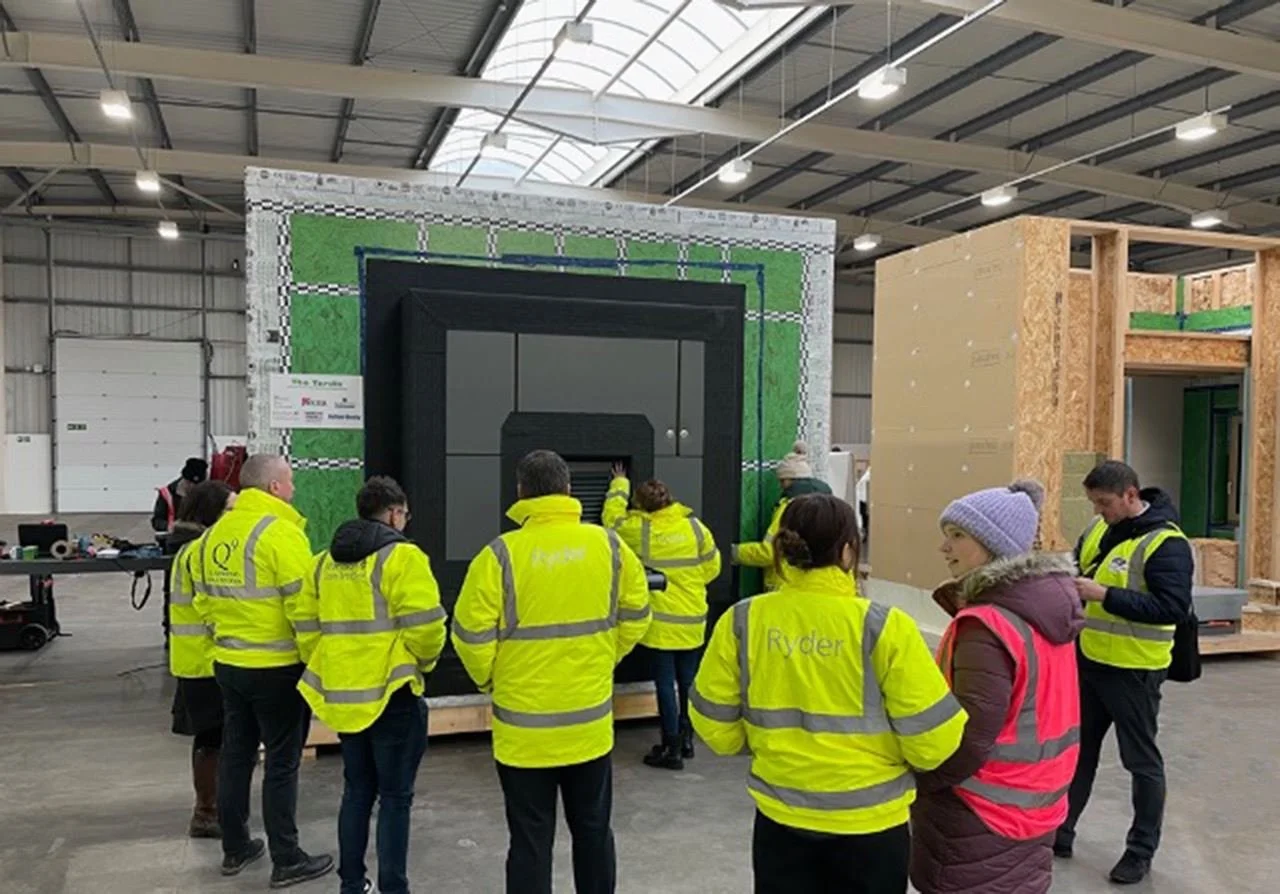
T1C collaborators Morrison Construction, Kier Construction, Balfour Beatty, Robertsons and Morgan Sindall, their supply chains and BE-ST, has built a box in BE-ST’s factory, aptly called the Tardis as there is more to it than meets the eye.

Social Bite, a charity and social business that aims to end homelessness, commissioned Ecosystems Technologies to deliver a new kind of housing for their Social Bite Village.

Chloë Yuill, a newly qualified Architect at ECD Architects, was the winner of the 2023 Change Maker Award at the Accelerate to Zero Awards for her significant commitment and contribution to solving the challenges faced in decarbonising the built environment.
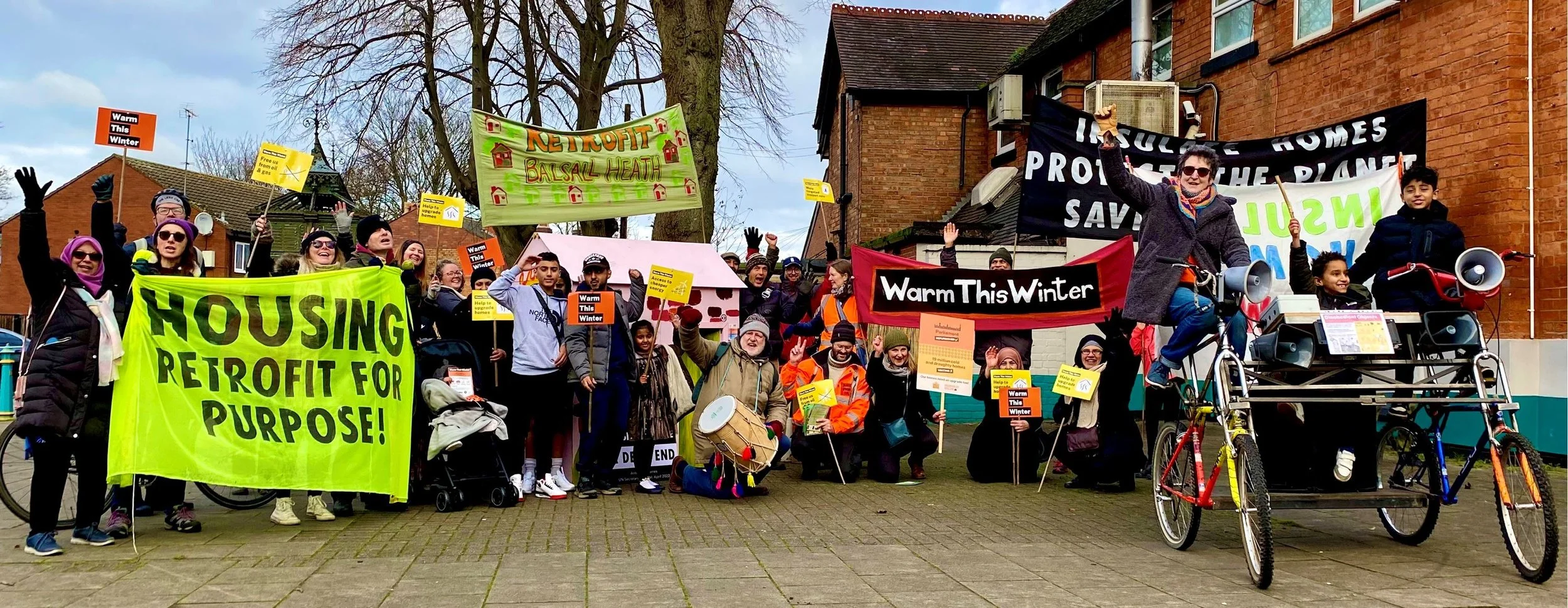
Retrofit Balsall Heath is a community-led neighbourhood project in the Balsall Heath area of Birmingham, made up of local people, community groups, and partners working together to retrofit the neighbourhood – possibly one of the first of its kind working at this scale.
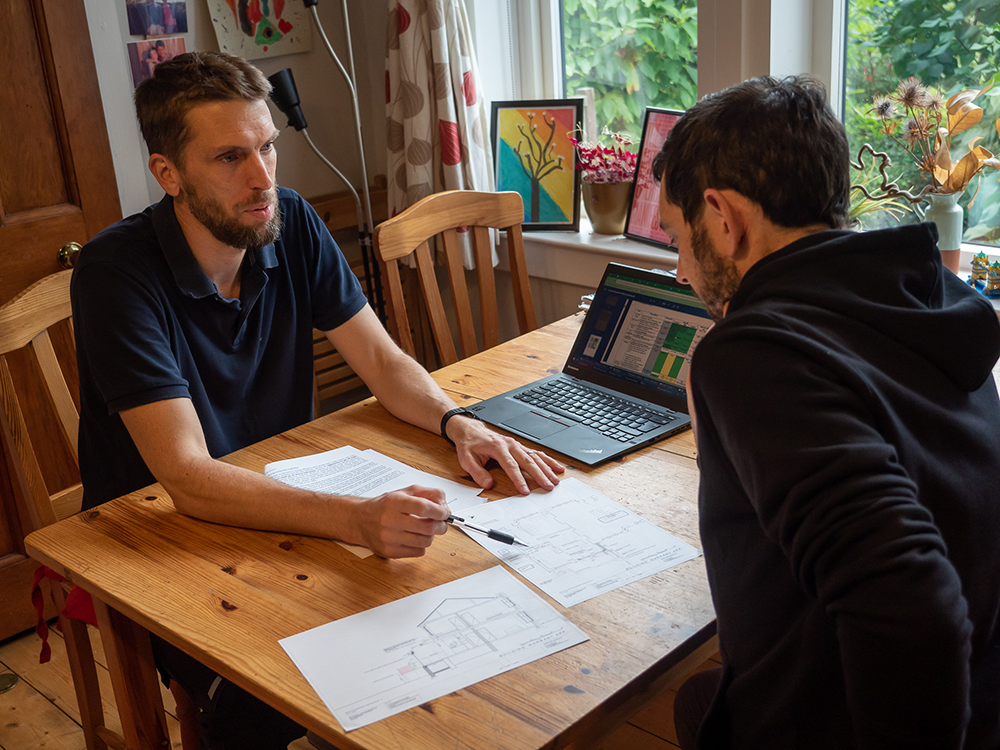
On the journey to net zero, community-based initiatives like Loco Home Retrofit are key. Founded by Chris Carus and Tom Nockolds, Loco Home Retrofit is a retrofit co-operative of homeowners, trades and buildings professionals working together to make homes in Glasgow more energy efficient.
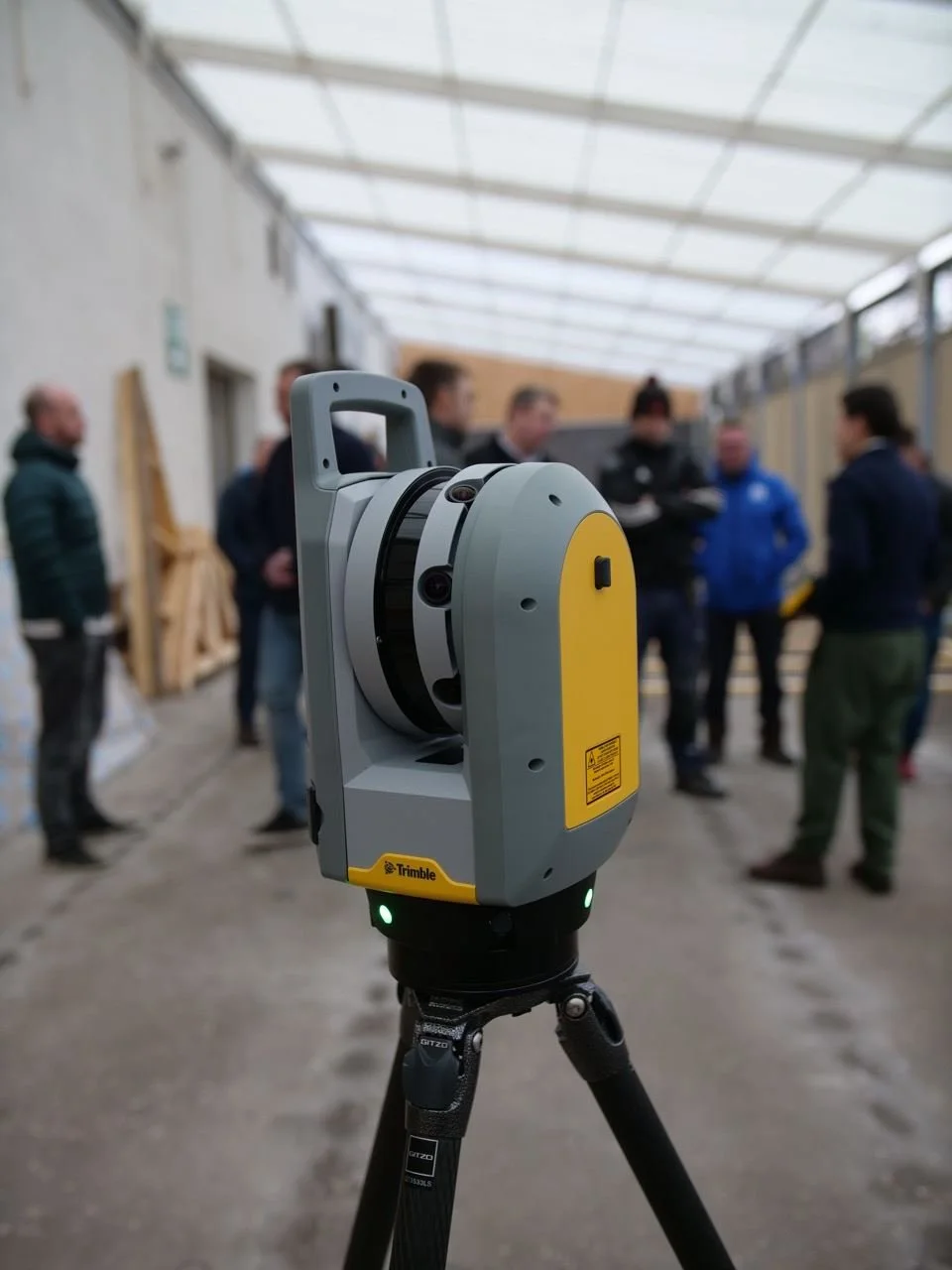
BE-ST launched a fully-funded digital construction skills training program in partnership with the HCI Skills Gateway.
Accelerate to Zero podcast
Season 9
This season focuses on our BE-ST Beacons. This award recognises individuals who exemplify leadership and dedication in driving the built environment’s just transition towards a net-zero future.
-
In this episode, we are joined by Gina Colley, Associate Director at ThreeSixty Architects. Gina is not only a former BE Changemaker but also a dedicated champion of ED&I, driving positive change within Threesixty Architecture and setting an industry-wide example of best practice.
-
In this episode, we are joined by Professor Robert Hairstains, Robert is the founding Director of the Centre for Advanced Timber Technologies (CATT) at the New Model Institute of Technology and Engineering (NMITE) and Head of the Centre for Offsite Construction + Innovative Structures (COCIS) at Edinburgh Napier University. His specialist expertise is in the fields of timber engineering and technology with a focus on adding value to the timber supply chain with an emphasis on engineered timber products and offsite (modular) construction.
-
In this episode, we are joined by Emily Carr, Emily is a chartered architect with experience in the historic built environment, now working as a design manager for Kier Construction.
She is passionate about creating places that reflect today's society and current values, and preserve and celebrate the heritage of the building's context, while also embracing new technologies to create a more sustainable environment for future generations.
Emily is also an advocate for promoting Equality, Diversity and Inclusion in construction.
-
In this episode, we are joined by Professor Sean Smith from the University of Edinburgh. Sean has had an incredible career and has most recently launched Centre for Net Zero High Density Buildings.
CeNZ-HighDB will develop, test and underpin delivery of identified new ‘green’ innovations including high-energy efficiency building fabrics, new lower cost rapid-fit heating technologies, novel community heating-cooling systems for complex multi-use streetscapes and advancements in thermal-cooling modelling and data driven innovation to drive green economy growth.
Generating significant interest since its launch in June, Envision is a bold rethinking of the home as a living system: one that generates energy, supports wellbeing, anticipates need, and evolves with its occupants over time. Developed by Architype and Evolve Capex and led by Digital Health & Care Innovation Centre, with BE-ST and Moray Council. Find out more and hear how you can be involved in Envision's adoption and delivery.
Date: 4th November 2026
Time: 3-4pm
Location: Sir Jim McDonald Technology & Innovation Centre