
Deep Dive into Underground Energy: Geothermal and Thermal Storage
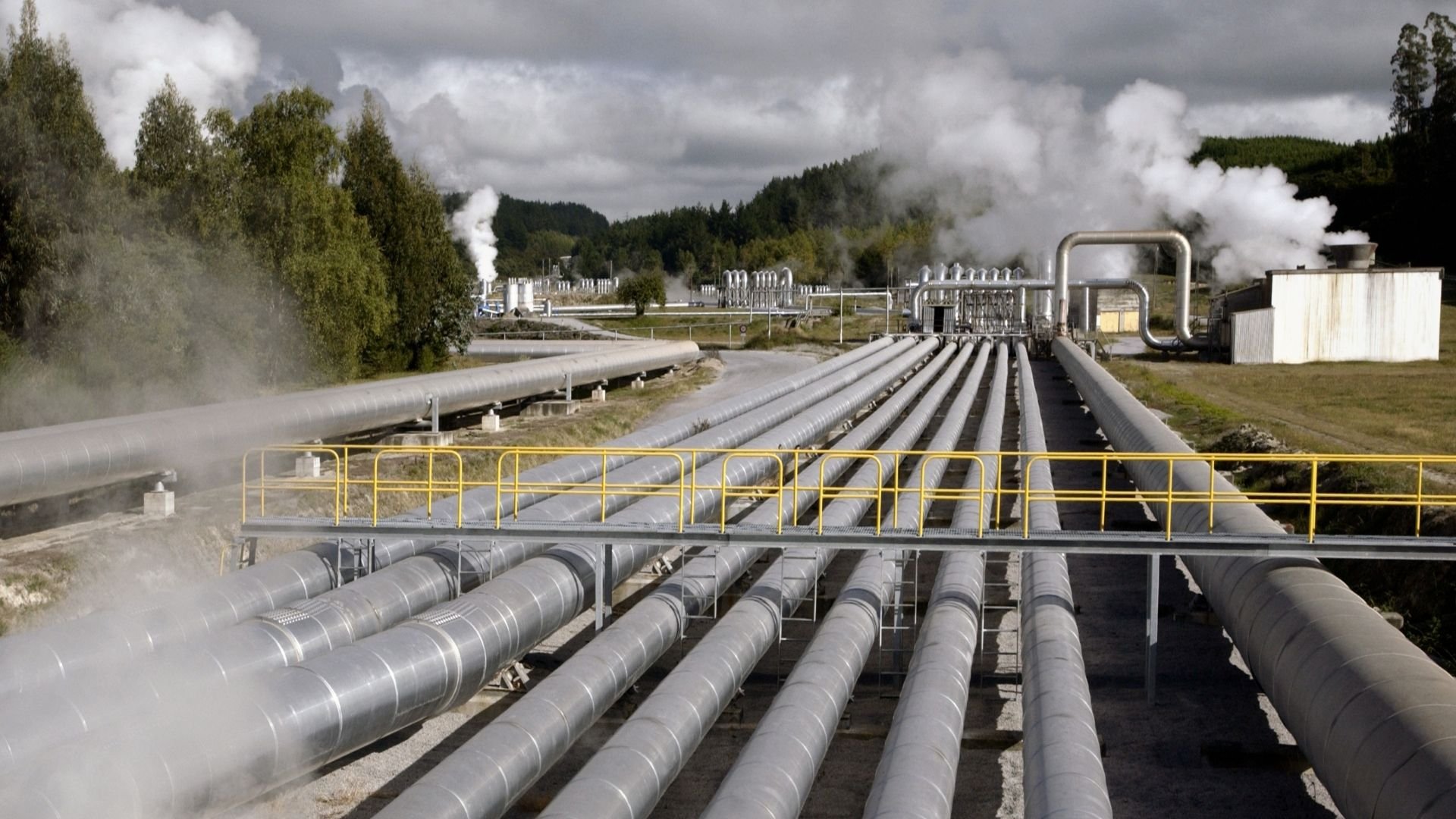
The path to clean heat could lie beneath our feet. And for Scotland, our mining heritage could fuel a new energy legacy through geothermal technologies.
BE-ST brought together experts at this HeatSource webinar to explore how abandoned coal mines and underground spaces could become vital energy source and storage assets, supporting Scotland's clean heat transition.
Here, we summarise the event’s key learnings, introduce the concept of geothermal energy supply and storage, and signpost to resources for local authorities or developers interested in exploring this technology in Scotland.
What is Geothermal Energy?
Geothermal energy is heat stored in the Earth. There are two main ways we use this kind of heat.
The first, ‘Deep Geothermal’, requires drilling deep to find high temperatures. This heat can be used directly for large buildings or to make electricity. The second, ‘Shallow Geothermal’, uses the ground closer to the surface at less than 500 meters deep. The ground here is usually between 10°C and 20°C, so a ground-source heat pump can be used to boost the temperature.
Both kinds provide a clean, constant source of energy. Geothermal energy is reliable because it doesn't depend on the weather. Unlike wind or solar power, the heat under the ground is always there.
This technology is already proven in the UK, with at least six operational mine water schemes currently running. Additionally, over 55,000 ground source heat pumps using borehole systems are installed across the country.
The promise of Underground Thermal Energy Storage
Underground thermal energy storage (UTES) represents what Vanessa Starcher from UK Geoenergy Observatories described as essentially the opposite of geothermal extraction. Rather than simply taking heat from the ground, UTES systems can store excess heat underground when available, then retrieve it when needed.
The principle works through open loop systems: when cooling is required, heat is captured from buildings or industrial processes and injected into underground water systems. The cooled water then provides cooling services. When heating is needed, the stored warm water is extracted and used directly or boosted with heat pumps.
This flexibility creates what Vanessa called a "large thermal battery" underground.
Why it matters
The benefits are substantial: Increased sustainability by balancing energy demand seasonally or daily, better heat pump performance, reduced environmental impact on subsurface temperatures and greater overall system efficiency.
Despite these advantages and widespread adoption in countries like the Netherlands, which operates hundreds of thermal energy storage schemes, uptake in the UK remains limited to around 20 UTES systems.
How can the sector scale this further?
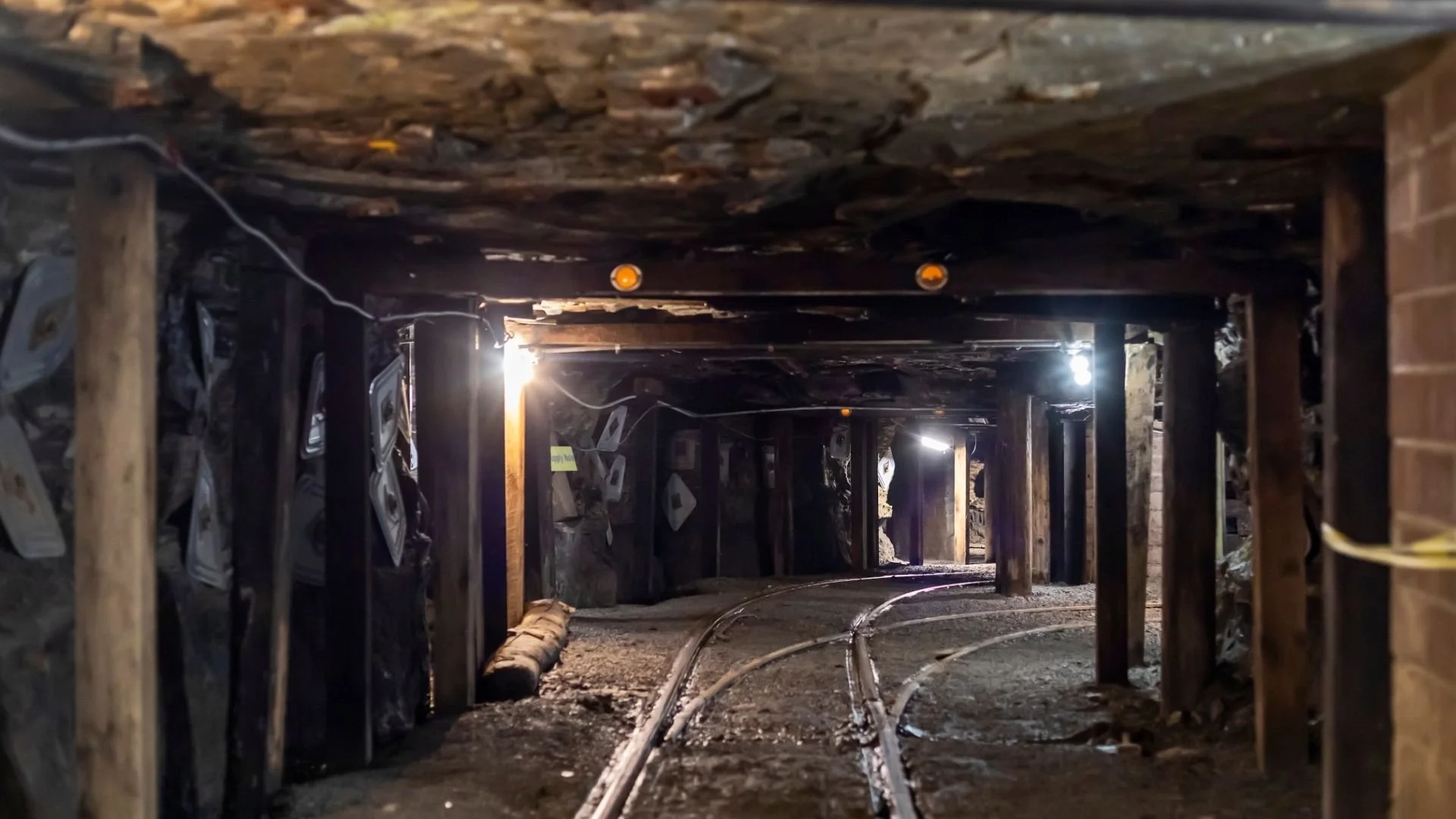
Scotland's mine shaft opportunity
A major opportunity to scale in Scotland is mine water heating. When old coal mines were closed, they filled up with water. This water stays at a steady, warm temperature all year round.
During our webinar, Professor Zoe Shipton from the University of Strathclyde presented research on using legacy mine shafts for energy storage. The STEAM project examines whether abandoned mine shafts could store significant quantities of thermal energy.
The numbers are striking. Coal mines lie beneath 25% of British households. Nine of the UK's ten largest cities sit above former coal workings. Around 130,000 mine shafts exist across the UK, with the larger modern shafts extending hundreds of metres deep and containing millions of litres of water.
If just 1% of these shafts could be used for heat storage at 55 degrees Celsius, they could supply 10% of UK homes (2.8 million people) during a worst-case weather week, and without requiring heat pumps if a heat network is used at that temperature.
The project has assessed to see if this is feasible, looking at water quality, structural safety considerations, and energy system requirements. Findings suggested risks are relatively low, with levelised heat costs potentially reaching just 3 pence per kilowatt hour for large heat pump systems.
“If we can use just 1% of these mine shafts for heat storage, we could supply 10% of UK homes during the coldest weeks of the year.”
Geothermal Resources: The Scotland Heat Map
The webinar emphasised that site-specific assessment is crucial.
Jamie McFarland from the Scottish Government's energy statistics team demonstrated The Scotland Heat Map.
The map estimates heat demand for every property in Scotland and it provides an immediate first check of potential resources beneath any location.
The publicly accessible version displays information at 50-metre grid resolution, showing depth of abandoned mine workings, mine water geothermal potential, and aquifer characteristics. Local authorities receive more detailed versions to inform their Local Heat and Energy Efficiency Strategies.
Following initial screening, engagement with the Coal Authority (renamed Mining Remediation Authority), British Geological Survey, or experienced developers can establish feasibility.
A down-to-earth solution for decarbonisation
Geothermal energy shouldn't be seen as overcomplicated or unachievable. It's a proven technology with a lot more to potential to give.
In the next decade, the ground beneath your feet could prove to be one of our most valuable assets, storing heating and cooling batteries, balancing grid demands, and providing sustainable comfort for Scotland’s homes and infrastructure.
For more information on geothermal opportunities and clean heat support, contact Scottish Enterprise or visit the Scotland Heat Map at www.scotland.heat-map.org.uk.