
Building a New Stone Architecture in Scotland
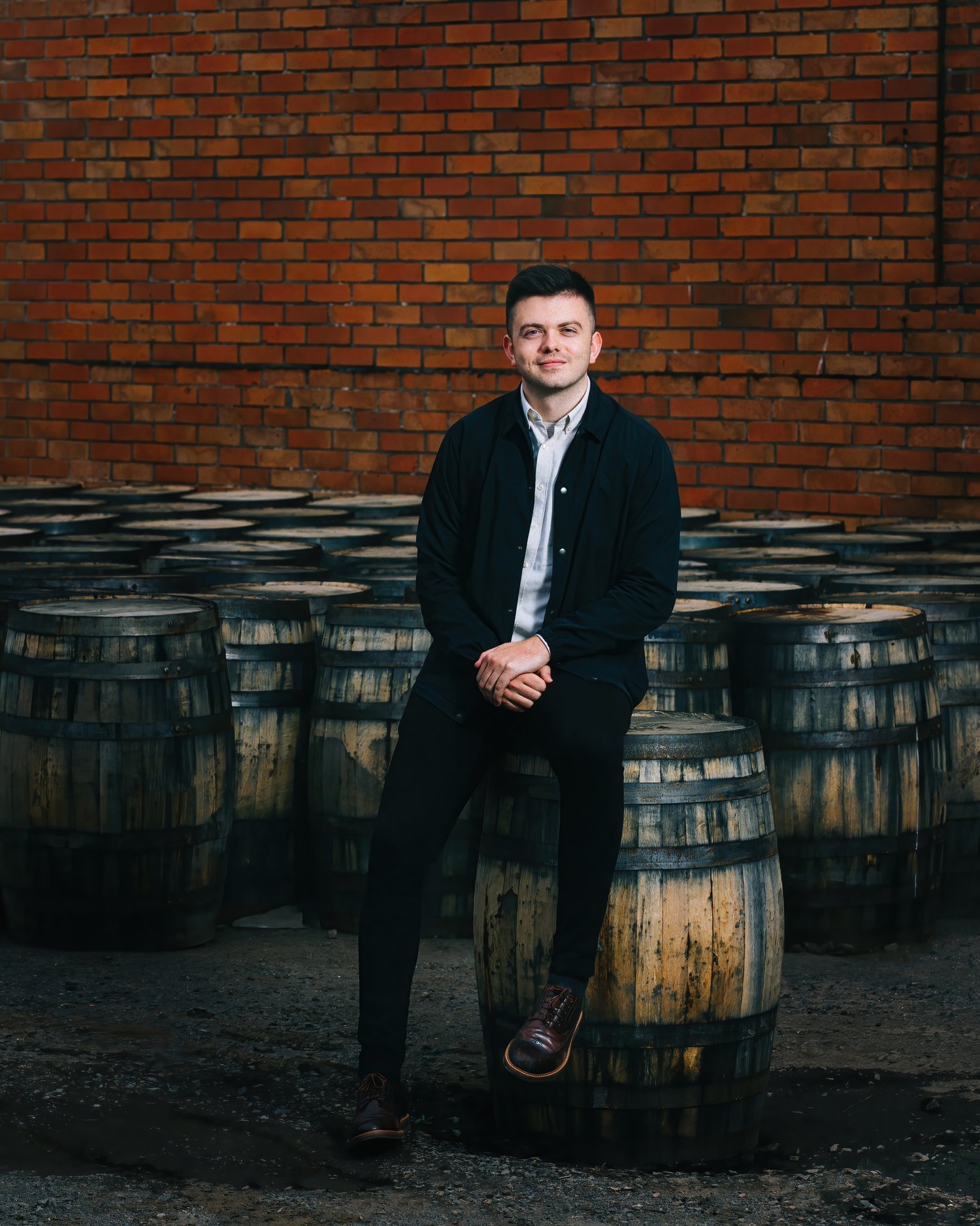
We recently spoke to Stephen Smith, who completed a part-time Master of Architecture at the Glasgow School of Art, researching the potential for re-establish stone construction in Scotland. His research was supported by BE-ST’s Accelerate to Zero Scholarship with Historic Environment Scotland as the industry partner.
What are you researching, and what sparked your interest in this area?
The research paper, titled “Building a New Stone Architecture in Scotland”, explores national opportunities to promote Environmental, Economic and Social Sustainability through locally quarried, loadbearing stone.
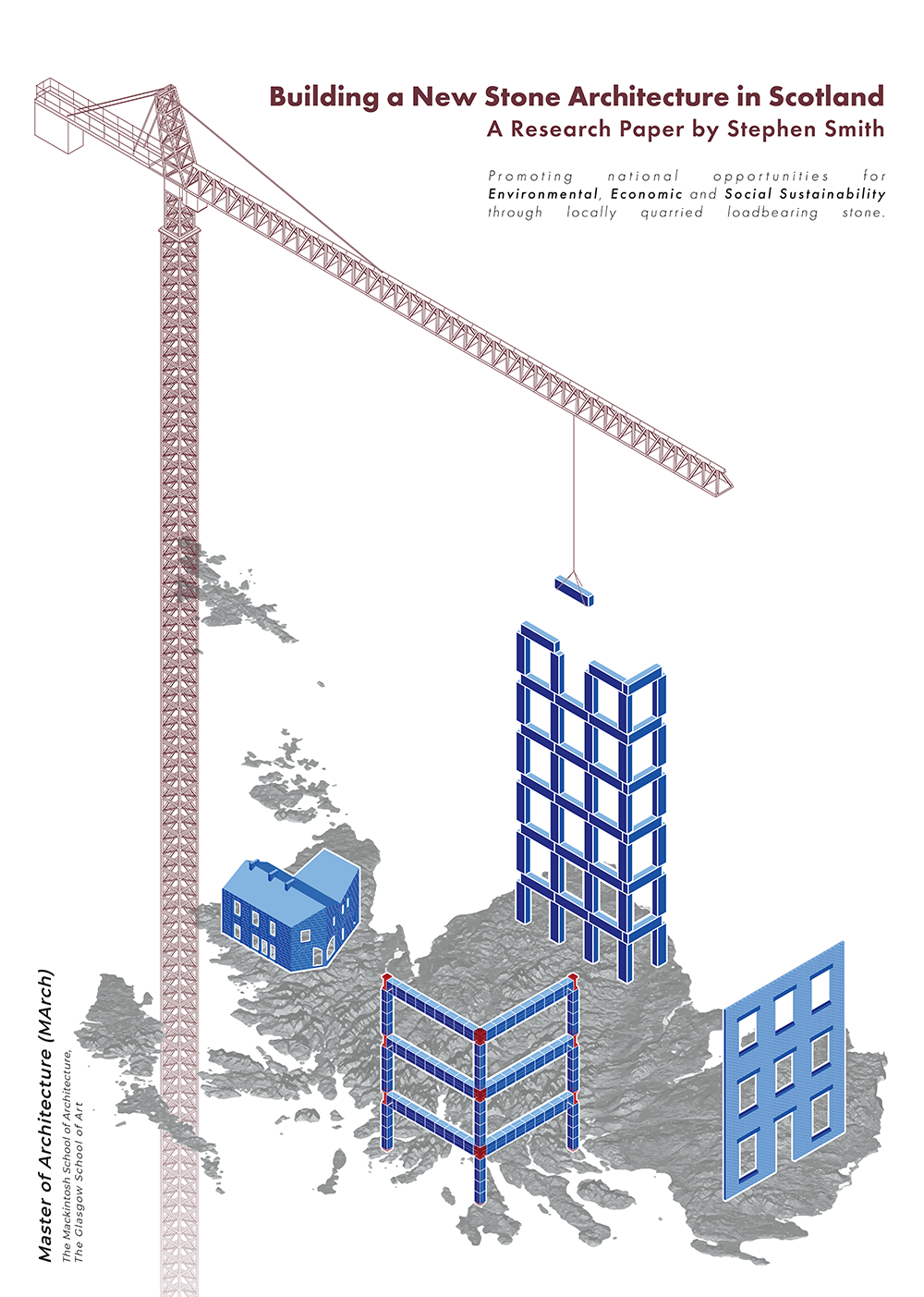
My interest in this area has developed through my architectural education and professional experience, particularly through exploring Scotland’s relationship with craft and place. Scotland has a rich history of stone construction, yet today much of our structural stone knowledge, supply chains and associated skills have diminished. I wanted to explore how this heritage could inform a more sustainable future for the built environment.
Outside of part-time academia, I practice as an Architectural Technologist and Part II Assistant at Organic Architects, where I work on projects including craft distilleries and buildings that service the whisky industry; many of which are historic stone buildings.
Why do you think this research matters? What challenge are you hoping it will help solve in the built environment?
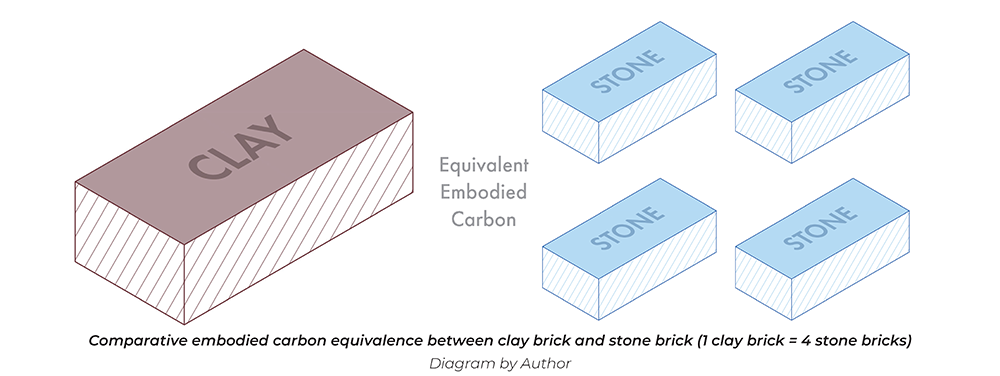
The built environment is facing the challenge of reducing embodied carbon while also creating buildings that are durable, adaptable and connected to their local context. While stone has historically been one of Scotland’s most important building materials, modern construction has increasingly shifted towards imported, high-carbon products with shorter lifespans.
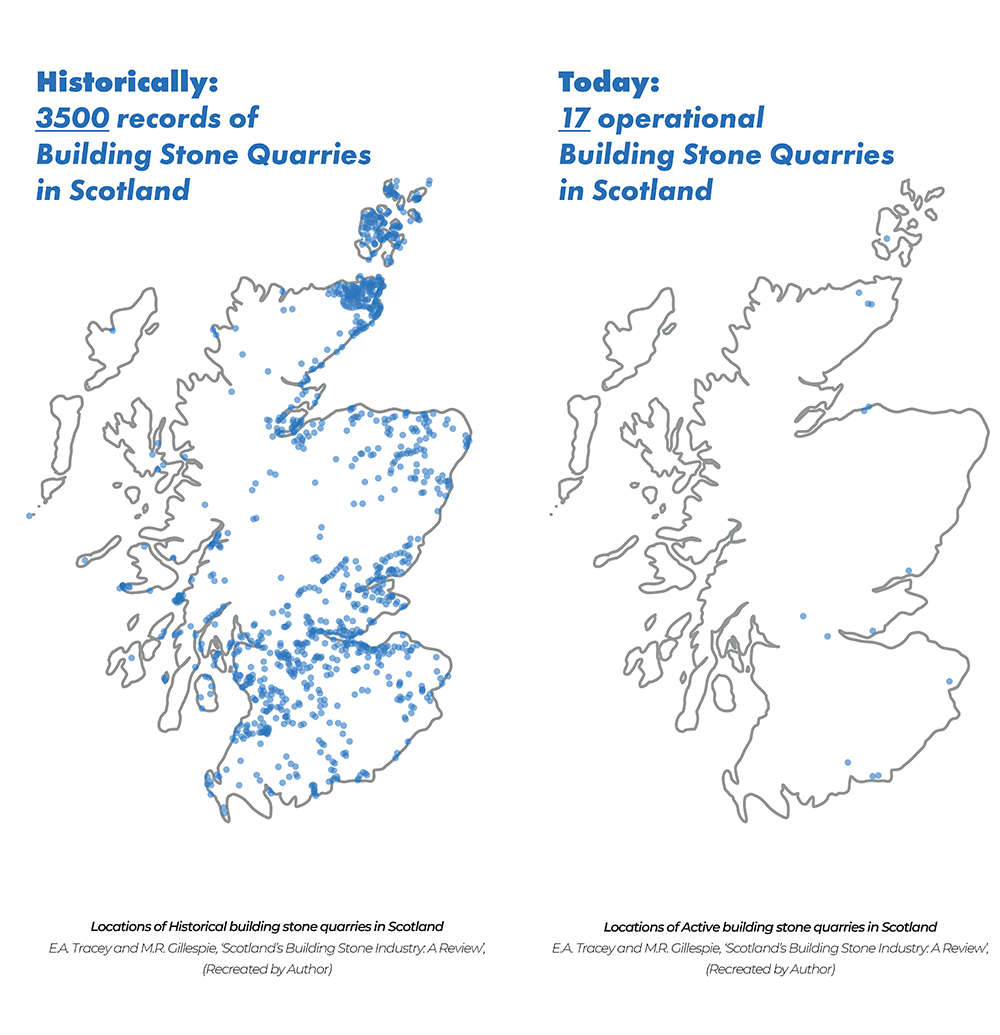
My research highlights this change: there are approximately 3,500 recorded historic building stone quarries across Scotland, while only around 17 remain operational today.
The research explores whether locally quarried stone could play a greater role in contemporary construction by combining traditional material knowledge with modern technology, engineering and methods.
Re-establishing stone as a structural material also has the potential to strengthen local employment, support skills and reinforce a stronger relationship between architecture, people and place.
I hope the research can contribute to making stone a realistic option that designers, engineers and clients consider alongside more readily used structural materials.
How has receiving the Accelerate to Zero Postgraduate Master's Fund helped you during your studies or research?
Receiving the BE-ST Accelerate to Zero Postgraduate Scholarship was invaluable both academically and financially.
The support allowed me to undertake the MArch part-time at the Glasgow School of Art, making it possible to develop my academic research alongside continued experience in professional practice.
The scholarship connected me with my industry partner, Historic Environment Scotland. Through discussions, mentorship, knowledge sharing and introductions across the industry, I was able to develop a much deeper understanding of the practical challenges and opportunities surrounding contemporary stone construction.
The support helped bridge the gap between academic investigation and practical application. Rather than considering the subject purely on a theoretical basis, I was able to engage with industry experts to further explore the realities of materials, skills, supply chains and the construction industry.
Without the scholarship, undertaking the same depth of investigation while balancing part-time study and professional practice would have been much more challenging.
Which organisations, industry partners or communities are part of your project? What have you learned from those experiences?
My industry partner supporting the research was Historic Environment Scotland, with Graham Briggs, Project Manager for Traditional Skills and Materials, who facilitated discussions and shared his professional network throughout the project.
The research involved engagement with people working across the wider stone industry, including quarry operators, stonemasons, architects, engineers and building stone specialists. These different perspectives were important as the future of stone construction cannot be considered solely from an architectural perspective.
One of the most valuable learnings has been recognising that many of the barriers to implementing contemporary stone construction are not necessarily technical; the material has been time-proven to be capable. The challenges facing greater utilisation of stone are also cultural, economic and procedural.
These experiences reinforced how important collaboration and knowledge exchange are in translating into meaningful change within the built environment.
What do you hope to do after your master's, and how do you see your research making a difference to the journey towards a net zero built environment?
Going forward through my findings in the research, the question now shifts from “Can we still build structurally with stone in Scotland?” towards “What is preventing us from doing more of it in Scotland?”
Stone encourages us to reconsider where our materials come from, how much processing they require, the industries and skills they support and how long the buildings we create are expected to endure. I hope the research contributes to a wider conversation about how we design buildings that are not only lower carbon, but are also built to last. Both of these factors together outline the fundamental requirements for meaningful sustainability within the built environment.
Following completion of my master’s, I am progressing towards my Part 3 professional examinations while continuing to work in architectural practice. I am also helping to develop the programme for a public 'Festival of Stone' as a Trustee of the Creative Space Foundation, which provides an opportunity to continue knowledge exchange beyond academia and showcase stone to a much wider audience.
My exploration and research will continue to develop my understanding of stone within Scottish architecture, through the conservation and adaptation of existing buildings, and through innovative approaches to creating new low-carbon architecture.
Stone should not be seen as the single answer to achieving net zero. Instead, I hope my research demonstrates that traditional materials and contemporary innovation do not have to be opposing ideas, and that stone deserves to be part of the conversation about how we build Scotland’s future.
BE-ST are funding Scottish Masters and Post Graduate candidates who can help solve climate change, creating smarter, healthier places and develop a workforce and culture that supports the new future.
Scottish Master’s and Postgraduate students from any course or discipline can apply – whether you’re studying marketing, cyber security, engineering, architecture, or anything in between. If your research will relate to sustainability, innovation, or the built environment, we want to hear from you.