
Building a Circular Scotland: Zero Waste Scotland’s role in embedding circularity in the Built Environment
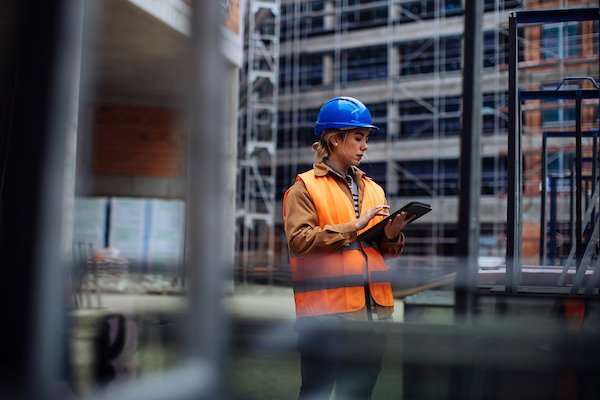
Scotland’s built environment - its houses, workplaces, infrastructure - is both a critical asset and a major environmental challenge. Construction and demolition produce nearly half of Scotland’s waste, and much of that arises not out of necessity, but due to the underuse of reuse opportunities. Zero Waste Scotland is tackling these issues, pushing for a shift from linear “take, make, waste” models to a circular, resource-efficient built environment.
Circular Construction Finance (CirCoFin)
One of the flagship initiatives currently being developed is the Circular Construction Hub, a pilot project under the EU’s CirCoFin (Circular Construction Finance) programme. Its primary aim is to create a marketplace for reused and surplus construction materials in which developers, contractors, and demolition sites would be able to exchange materials - reducing demand for virgin inputs, cutting waste, and making construction supply chains more resilient. Scotland is one of only four European regions selected to model this kind of hub, alongside Munich, Lisbon, and Denmark, highlighting our country’s circular status on a global scale. The goal is to have an investment-ready model in place by December 2027. You can find out more on the CirCoFin project and sign-up to the project mailing list.
Built Environment Roadmap
Circular economy practices in Scotland’s built environment sector have the potential to deliver social, environmental and economic benefits by reducing emissions associated with infrastructure design and deployment. By ensuring that materials and components are maintained to the highest level of value possible, for as long as possible, we can enhance the strength of local supply chains and reduce our dependence on international chains for the supply of essential materials such as critical raw materials. Zero Waste Scotland is currently developing sector-specific roadmaps, which will have a set of interventions designed specifically to address circularity in the built environment sector. These maps tell us the most important factors influencing businesses, across the country, in sectors including finance, insurance, insurance, public organisations, skills and standards, etc. Given the scope of our ambition, we’re looking for stakeholders to help identify the correct interventions to address these.
Strategic & Policy initiatives
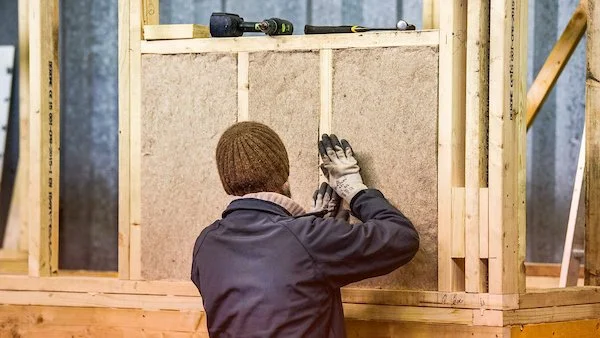
These programmes don’t exist in isolation. They tie into broader landmark legislation introduced by the Scottish Government that will not only enable, but empower, industries to embed circular practices: the Circular Economy & Waste Route Map to 2030, the Circularity Gap Report, and commitments by the Scottish Government to reduce material consumption, increase reuse, and shrink the carbon footprint. For example, Zero Waste Scotland’s work suggests that resource-efficient planning and construction could cut material consumption by around 11.2% and carbon emissions by 11.5% under certain scenarios.
Why it matters:
Environmental gains in reduced waste to landfill, lower resource extraction, less embodied carbon.
Economic resilience: rising material prices, supply chain interruptions (e.g. global) make reuse and circular supply chains more attractive.
Job creation in reuse, remanufacturing, repair sectors.
Looking Ahead
By late 2027, Zero Waste Scotland aims to have developed and modelled a working Circular Construction Hub, enabling material reuse at scale. Completely transforming how we build the world around us to be more circular is no easy feat, but through innovation, investment, and commitment, we know it's as possible as it is essential. The key is collaboration. Combined with stronger procurement policies, widespread adoption of site waste tools, and growing awareness of embodied carbon, Zero Waste Scotland’s efforts are positioning the built environment sector to be a major contributor to Scotland’s net zero and circular economy goals.