BE-ST trains more than 140 apprentices across Scotland for Scottish Apprenticeship Week
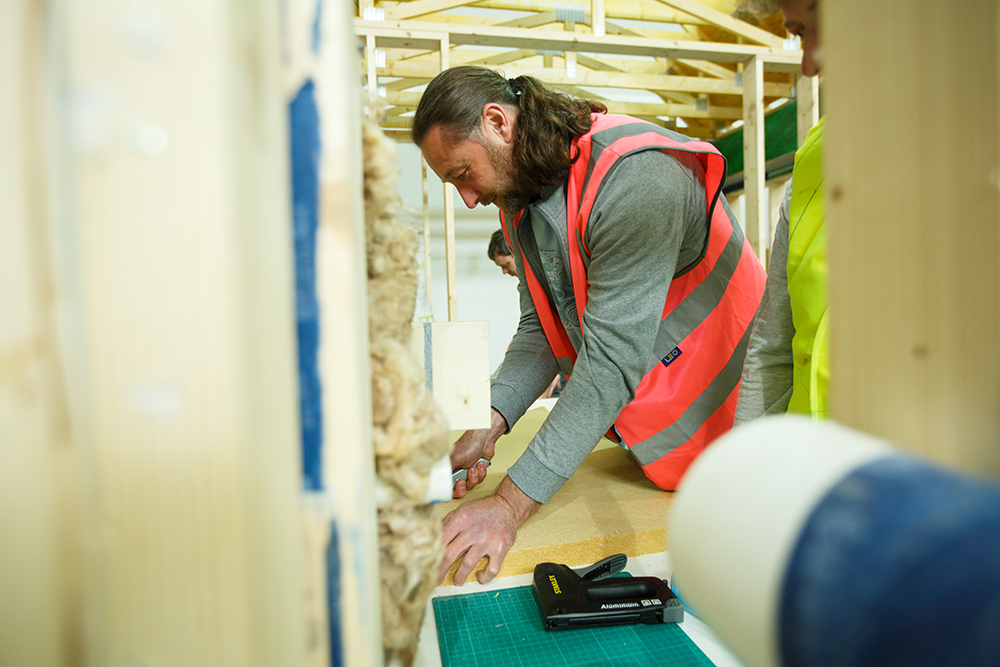
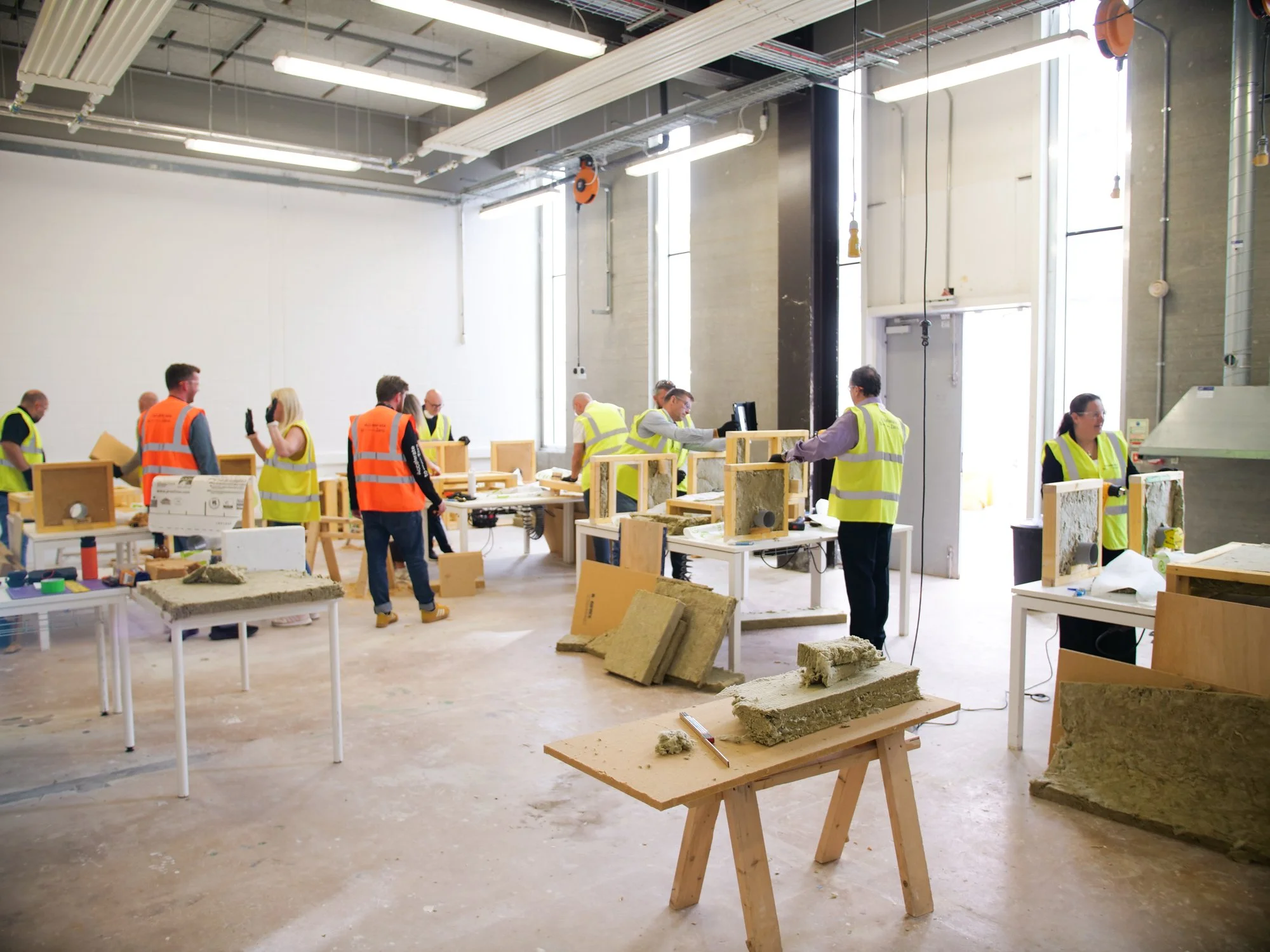
To mark Scottish Apprenticeship Week 2026, BE-ST has delivered an intensive programme of specialist training to more than 140 apprentices and pre-apprentices this week in Glasgow and Dumfries & Galloway to build the skills needed for Scotland’s low carbon future.
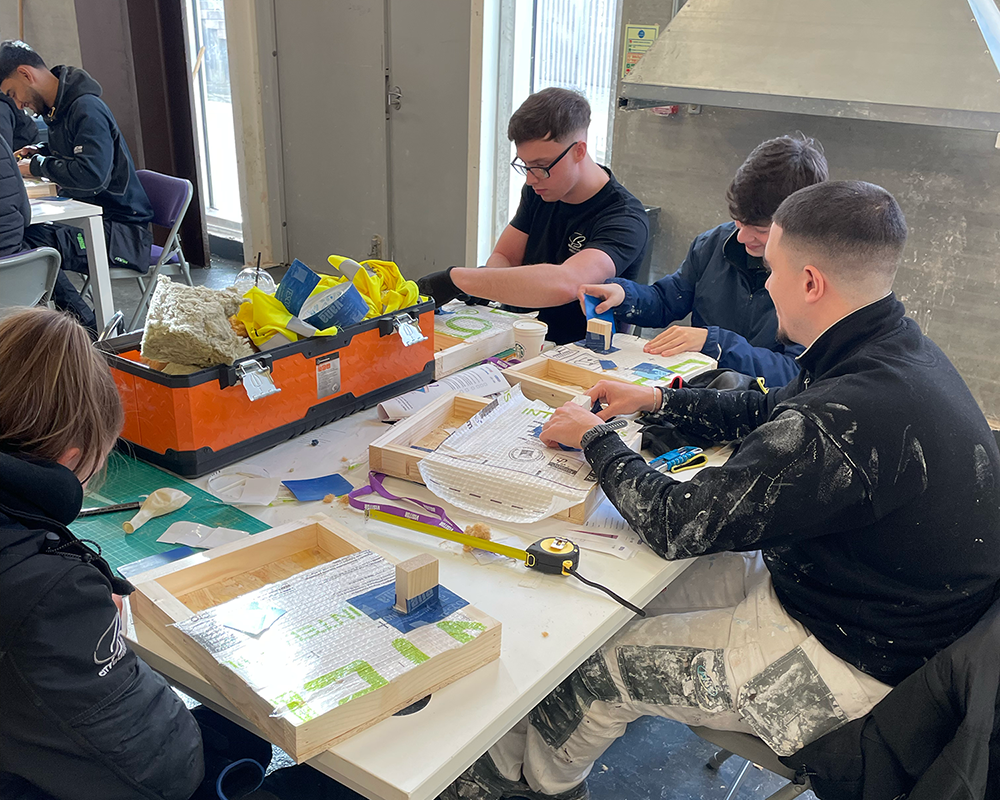
Throughout this week, BE-ST has hosted bespoke, hands-on sessions for apprentices from City Building and Mears in Glasgow, as well as pre-apprentices at Dumfries & Galloway College, through two BE-ST programmes: Introduction to Building Physics Dynamics and Low Carbon Passport. Carpentry & joinery, plumbing & heating, painting & decorating apprentices, as well as apprentice electricians are taking part.
Introduction to Building Physics Dynamics is a beginner-friendly, hands-on CPD certified course using bespoke BE-ST training rigs to help apprentices understand how insulation, airtightness tapes and membranes perform in real buildings. The course, funded by Ufi VocTech Trust, bridges a critical gap, ensuring on-site decisions support long-term energy performance and moisture management.
Low Carbon Passport is a first-of-its-kind accredited course designed to equip construction professionals with the core competencies required to deliver low carbon buildings. Participants explore thermal performance, airtightness, sequencing and how on-site quality directly impacts building performance. It is fully funded by the CITB Industry Impact Fund.
With Scotland committed to reaching net zero by 2045 and accelerating the decarbonisation of homes and buildings nationwide, demand for skilled, net zero-ready tradespeople is growing rapidly. At the same time, the construction sector continues to face well-documented skills imbalances. By investing in targeted, performance-focused training, BE-ST is helping to close that imbalance — equipping apprentices with the practical skills required to create the competent workforce to deliver warmer, healthier and more energy-efficient buildings.
Kirsty Duncan, Associate Director of Skills Infrastructure at BE-ST, said, “Apprentices play a critical part in our current and future workforce. By embedding building performance and low carbon principles early in their careers, we’re strengthening the industry’s capacity to meet national climate targets while addressing critical skills imbalances. Scottish Apprenticeship Week is the perfect moment to shine a light on that work.”
Lynsey Chambers, Training College Manager at City Building, said, “City Building are ensuring our future workforce has the skills and abilities needed to achieve Net Zero. BE-ST's Introduction to Building Physics and Low Carbon Passport courses are a great first step in nurturing our sustainability strategy.”
Following the Introduction to Building Physics Course, apprentices have said they have learned to “ensure I don’t effect the insulation in the houses where I work”.
While a student who took part in Low Carbon Passport said “This course helped develop a deeper understanding of why different types of products may be chosen over others, even when they perform the same job. It explores how factors such as quality, durability, cost and specific performance characteristics can influence product selection. By examining these differences, I gained insight into how to make informed choices that best meet the needs of a task.”
BE-ST will be delivering both of these training programmes as well as others throughout the year to support employers, colleges and individuals across Scotland.