BE-ST, Leitz, and The Joinery Network
This year, BE-ST hosted an event in partnership with Leitz Tooling UK and The Joinery Network at the Mass Timber Centre of Excellence, bringing together industry leaders, academia and businesses from across the timber supply chain to explore the future of mass timber in the built environment.
The event focused on an important message: if we are to increase the use of low-carbon products in construction, the whole supply chain needs to be involved in the decisions we make. From forest management and sawmilling through to manufacturing, specification and installation, every stage has a role to play. Our aim was to bring the full supply chain together so that we can better understand the opportunities and challenges of using homegrown engineered timber and build a stronger, more resilient industry.
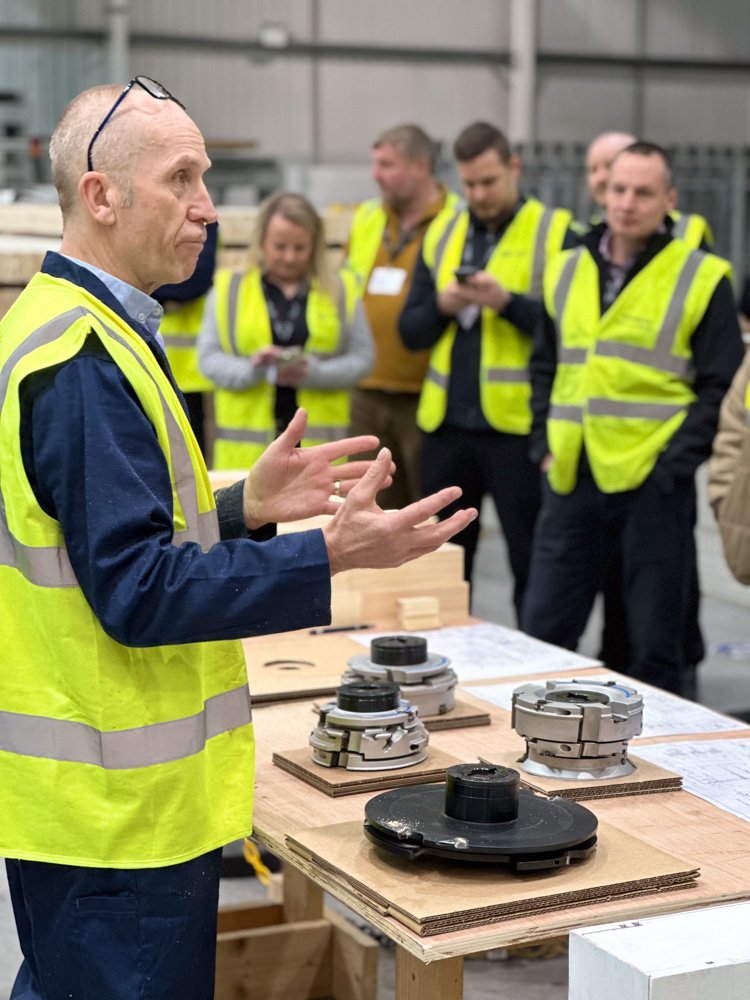
Speakers from BE-ST, Leitz Tooling UK and The Joinery Network shared their perspectives on why more sustainable solutions, such as homegrown engineered timber, should play a greater role across the built environment. The presentations explored how timber can help reduce embodied carbon across a wide range of construction and joinery applications. Delegates also toured the Mass Timber Centre of Excellence and Scotland's National Retrofit Centre, showcasing how Scottish cross-laminated timber (CLT) is supporting innovation across the sector.
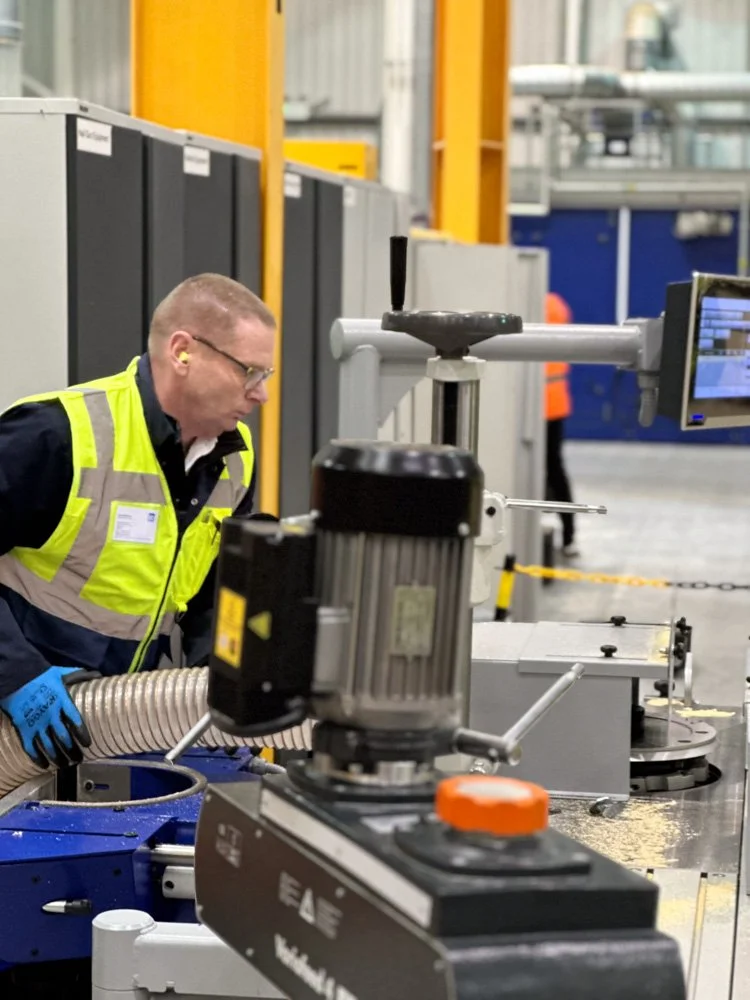
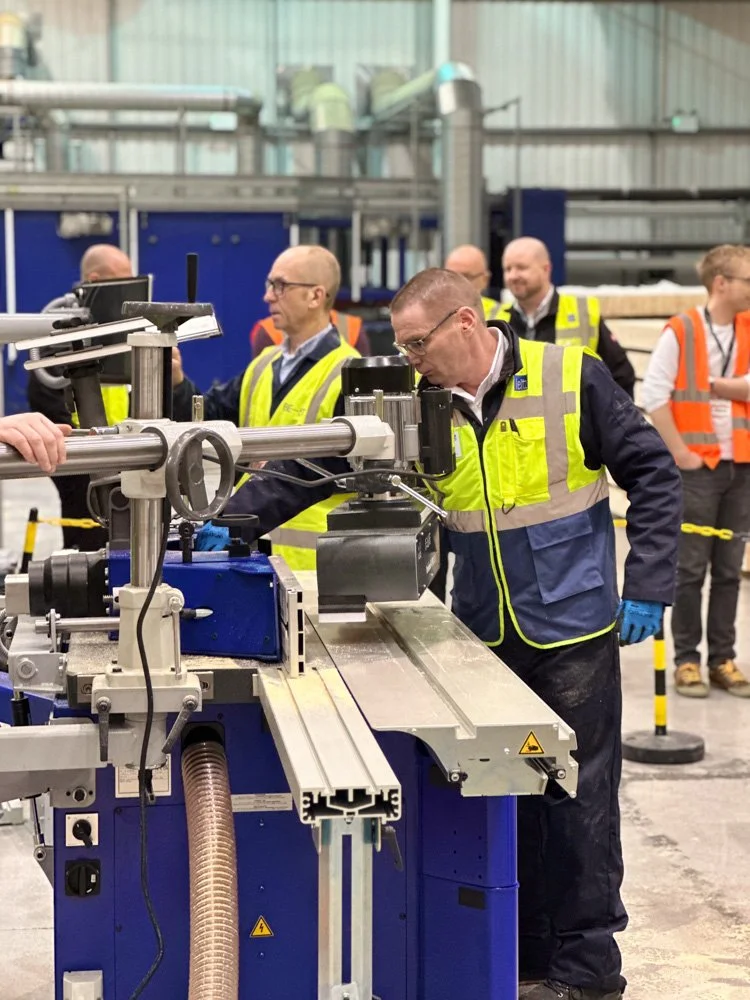
We also hosted a number of practical demonstrations from Leitz Tooling UK and The Joinery Network which were designed to demonstrate how engineered timber can be transformed into high-performance windows and doors. A live LIGNUM demonstration, delivered in collaboration with Felder using its Profil X-Motion spindle moulder, highlighted the precision, efficiency and quality that modern manufacturing technology can bring to timber production.
Representatives from joinery manufacturers, machinery suppliers, sawmills, timber merchants and other supply chain partners contributed throughout the day meaning the event reinforced the value of collaboration. By connecting the industry from forest floor to finished product, we can make better-informed decisions, reduce embodied carbon and strengthen the use of homegrown timber to deliver high-quality, sustainable solutions for the future.