

Blogs
Stories, updates and interviews as we progress towards a smarter transformation in the built environment.
Category
- A-Z Award Winner 12
- A-Z Postgraduate Scholarship 4
- Beacon 2
- Circular Economy 3
- Digital 5
- ED&I 2
- Energy efficiency 8
- Homegrown Timber 7
- Housing 5
- Innovation 4
- Local value add 1
- Modern Methods of Construction 6
- Offsite manufacturing 11
- Passivhaus 7
- Retrofit 13
- Robotics 2
- Skills 6
- Sustainable Materials 7
- The Circular and Sustainable Materials Accelerator 4
- Upskilling 8
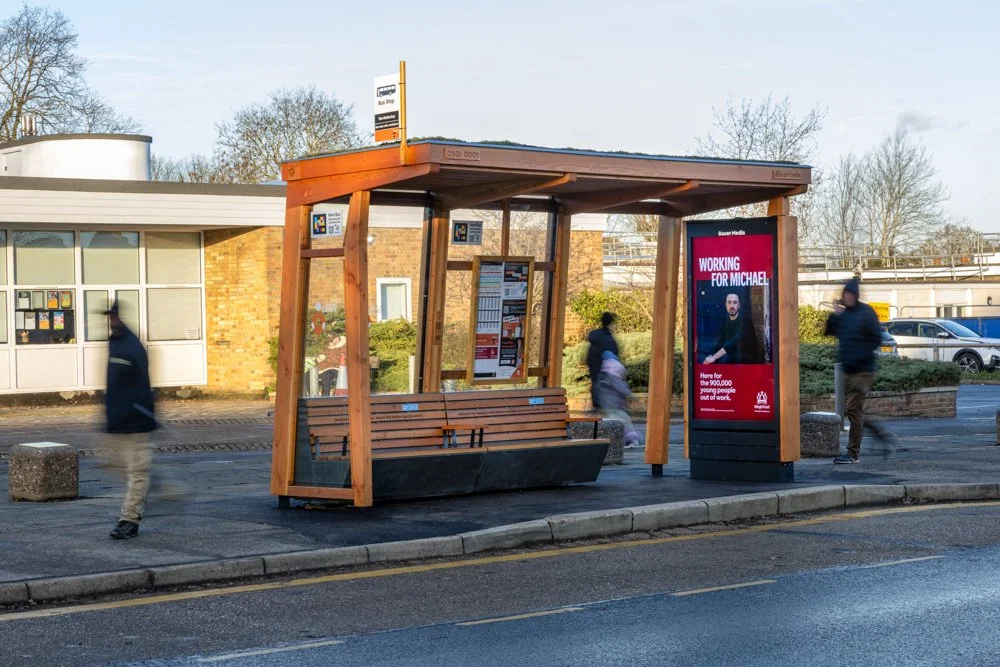

Transform-ER’s demonstrator home: From EPC D to A in four weeks - at half the cost
Transform-ER is a new integrated retrofit delivery model designed for social landlords and local authorities. Its first demonstrator home was completed in December 2025 on the Becontree Estate in the London Borough of Barking and Dagenham, taking the property from EPC D to A in four weeks and at roughly half the cost of comparable previous schemes.
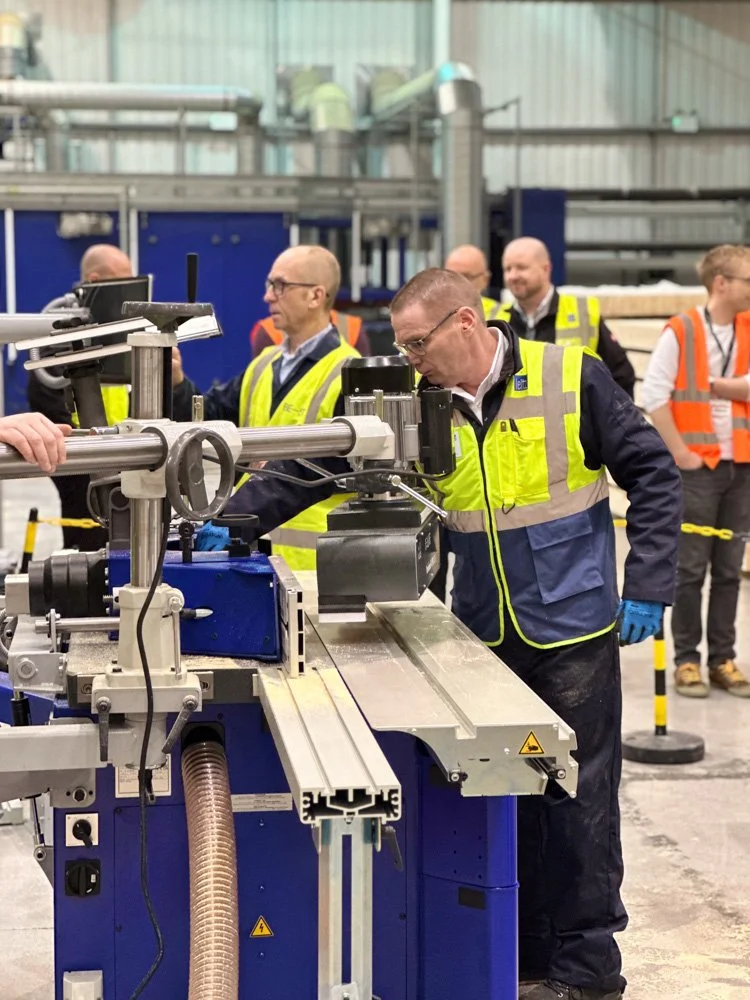



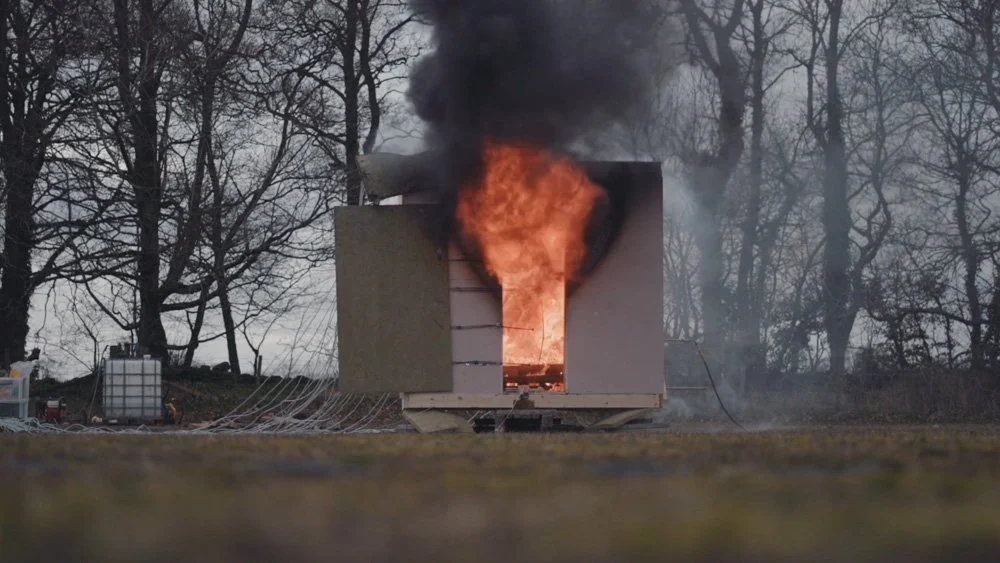
Fire-safe mass timber in the UK – A report by BE-ST and University of Edinburgh
A new research project led by BE-ST and the University of Edinburgh has provided one of the clearest pictures yet of how stakeholders view fire safety in mass timber buildings and what needs to happen next to unlock wider adoption.
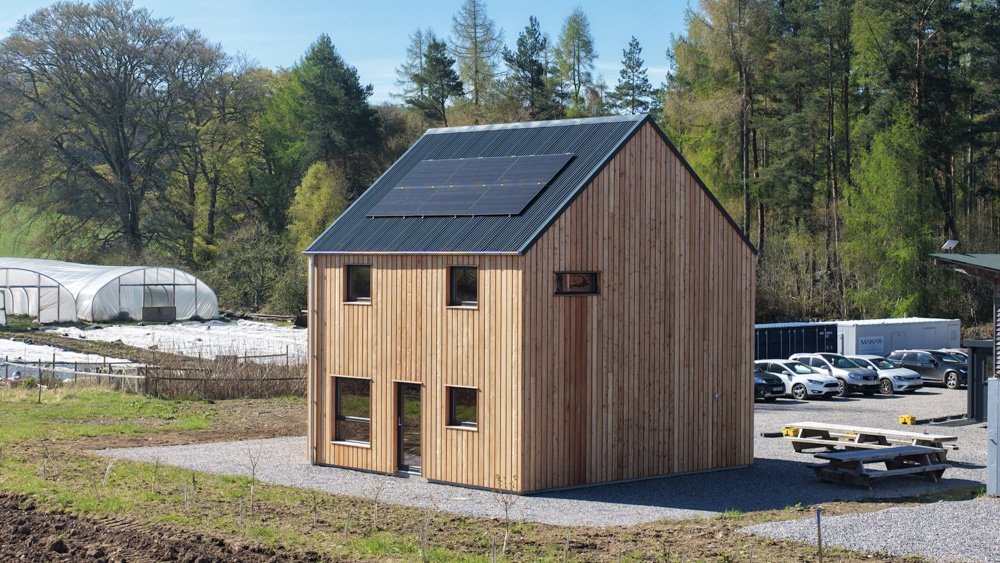
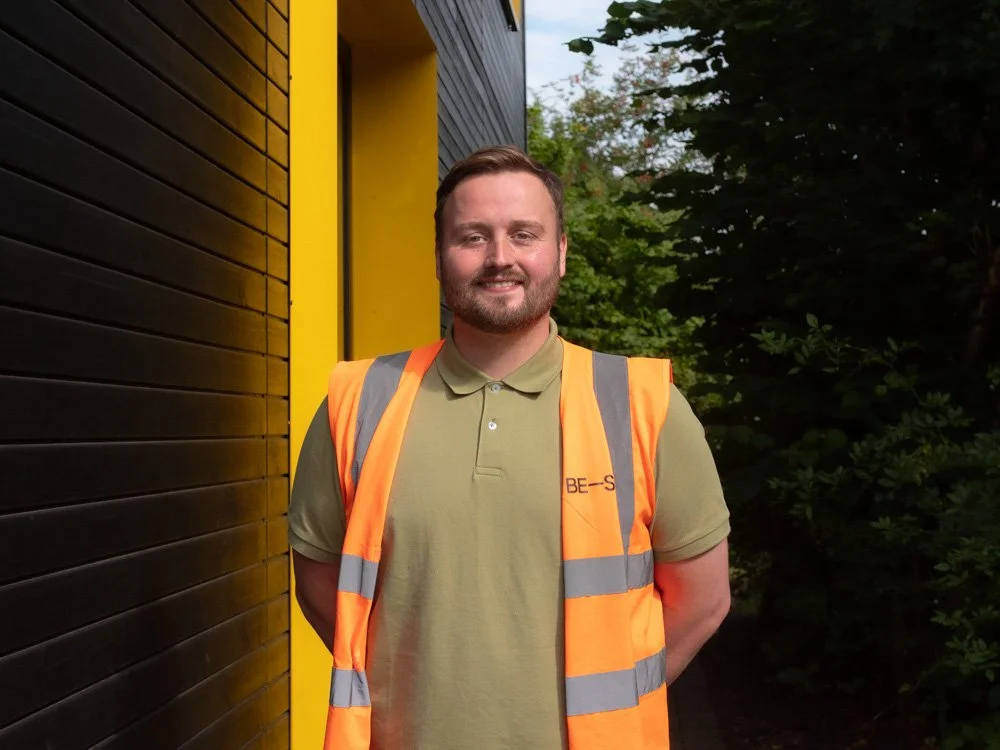



Why the timber industry's skills gap could hold back the UK's housing revolution
The UK needs 300,000 new homes every year. Timber is widely seen as one of the most promising materials to help meet that target; it’s renewable, lightweight, stores carbon, and increasingly competitive for off-site manufacturing.

60 seconds with Ketty
Meet our newest team member - Ketty Lawrence, who will be joining BE-ST over the next 12 months as Associate Director of Stakeholder Engagement. We’ve asked her some quick-fire questions in a '60 Seconds With' spotlight to help get to know her a little better.

Timber in Construction: The skills programme built for what's coming next
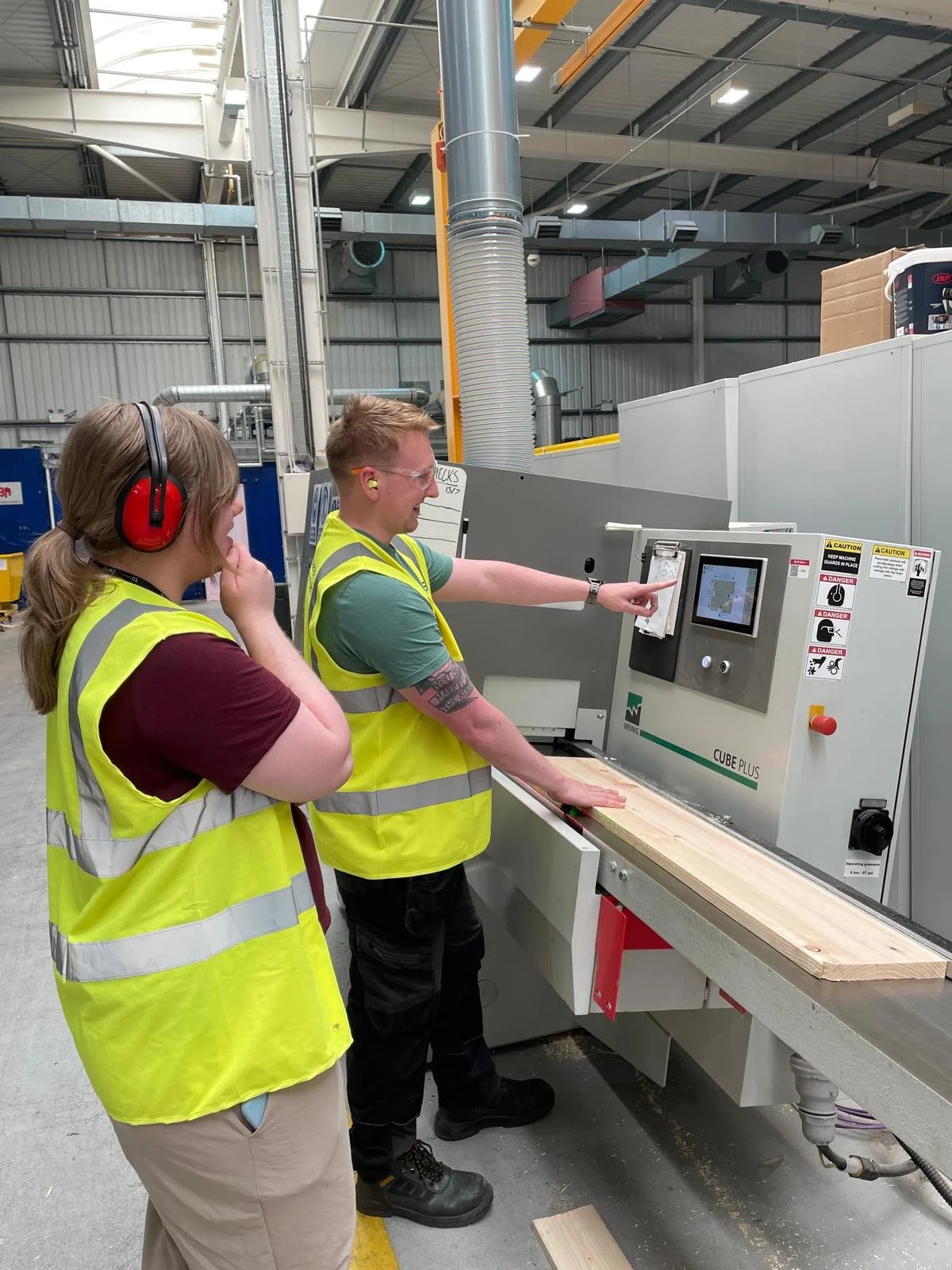
Hugo Taillandier has spent a decade working in construction, on site and in factories with some of the UK's leading timber specialists. Trained in architectural technology and mechanical engineering, and now leading training programmes at BE-ST, he is one of the key people delivering the upcoming Timber in Construction Skills initiative. Here, he makes the case for why it matters and why now is the time to act.

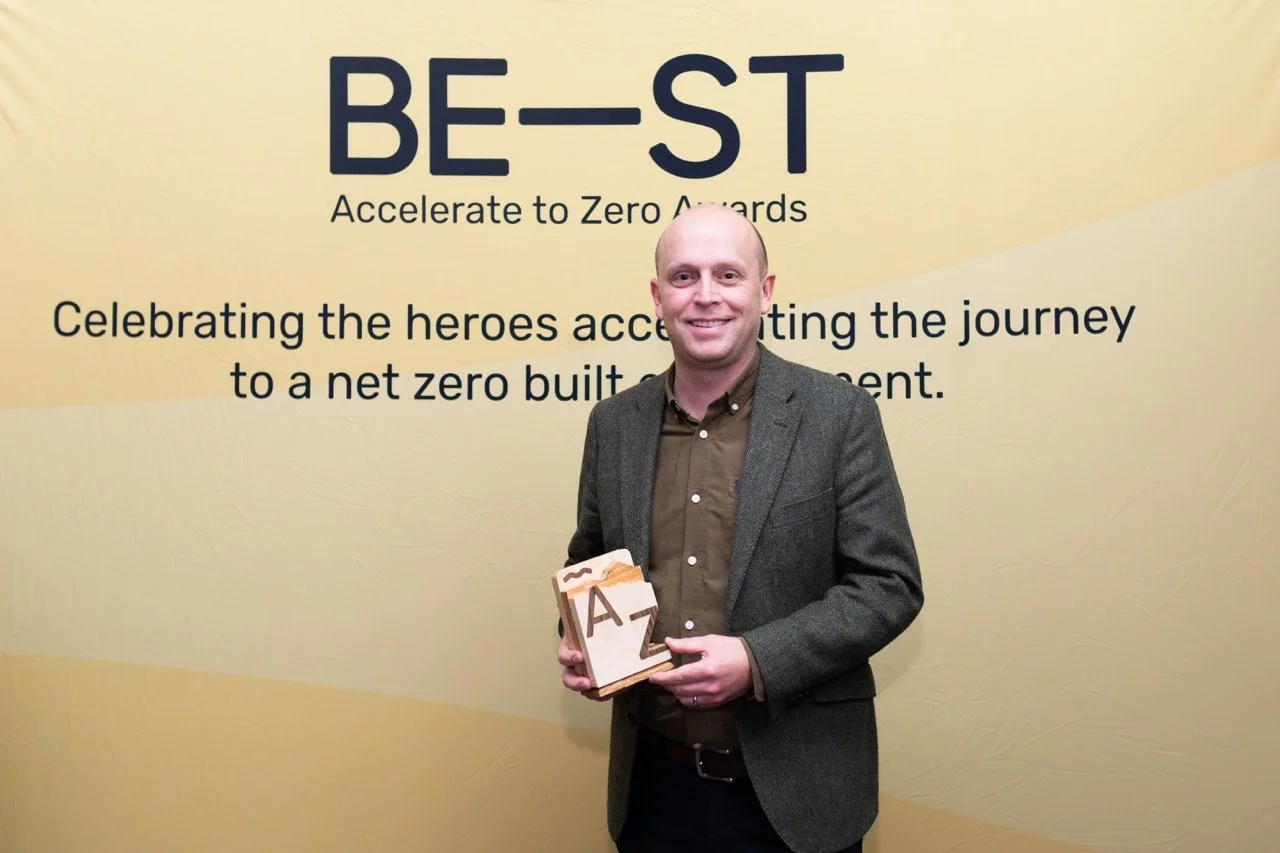
Matthew Clubb: Retrofit, Trust and Local Communities
Matthew Clubb is an Aberdeen-based director of mwclubb, a practice specialising in low-energy architecture and the retrofit of existing buildings. A former oil and gas engineer, Clubb transitioned into architecture after a personal journey into climate science that left him shocked by the severity of the climate crisis.
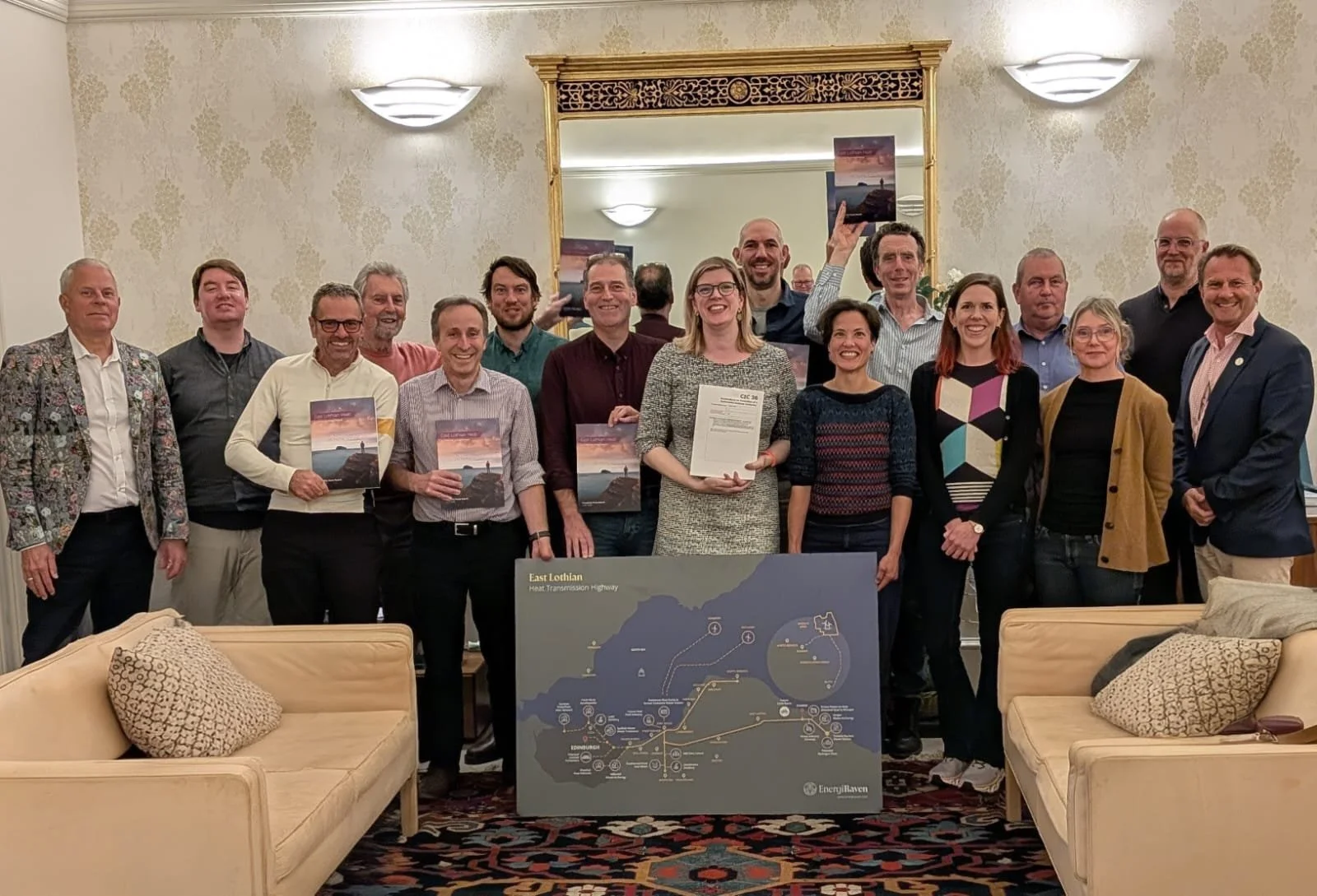
Lothian Heat: a regional catalyst for community-owned heat networks
Lothian Heat is a new regional organisation exploring how large-scale heat networks could be delivered differently in the East of Scotland. Its core proposition is straightforward but ambitious: capture waste heat that is currently being thrown away, move it to where demand is highest, and deliver it at the lowest possible cost with community ownership embedded over the long term.