
The Midlothian Energy Limited Heat Network
Midlothian Energy Limited (MEL) is a joint venture between Midlothian Council and Vattenfall that is delivering a heat network for local people, keeping them at the heart of planning, delivery and roll-out. But to create success in this region and further afield, we must win people’s belief in the technology first.
This unique public-private sector partnership provides Midlothian Council with numerous benefits - from sharing our energy infrastructure expertise to risk sharing and help reaching local net zero targets. With closely aligned visions, both Vattenfall and Midlothian Council are building sustainable communities – not just for today, but for future generations.
Eoghan Maguire, Director and Chair of the Midlothian Energy Limited board and Director of Scotland for Vattenfall Heat UK, joined us to share his insights as an integral team member in the project’s delivery.
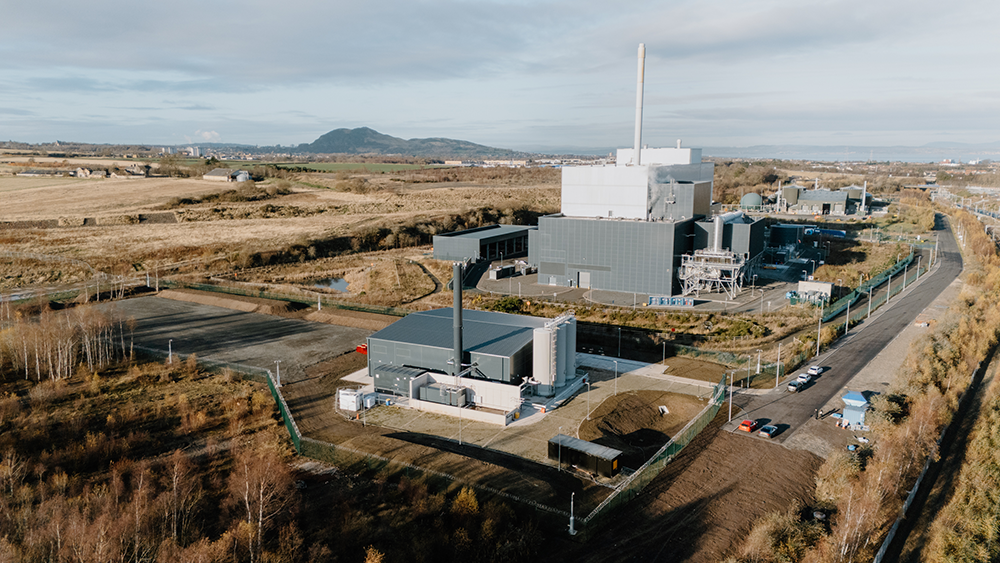
The aim of the heat network, which is supplying heat to the town of Shawfair and Craighall Village through their MEL Energy Centre, soon to be connected to the Millerhill recycling and energy recovery centre, is to leave a long-lasting mark on the area’s infrastructure, decarbonising a large proportion of the southeast Edinburgh region.
The technology is there, and the MEL Heat Network is living proof. But to scale, it's important for people to have the confidence, belief and skills required to fully embrace this new kind of infrastructure and thinking.
Scaling UK heat networks
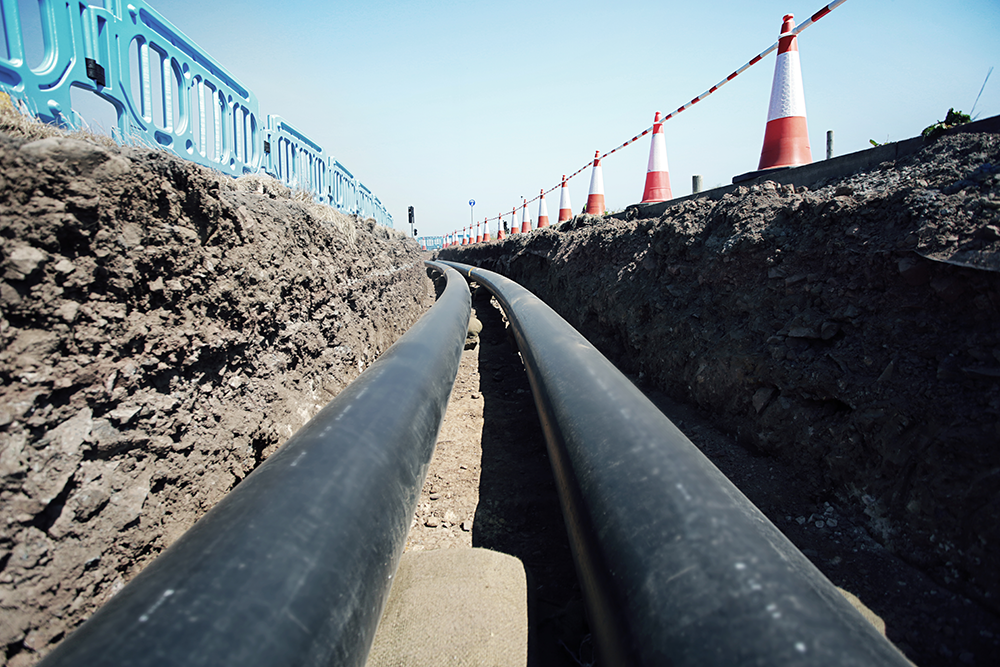
The answer to how to scale heat networks in the UK is not by overcoming issues within the technology itself, Eoghan says, as the technology has been a tried and tested technical solution for over a century. “In Berlin, the pipes in the heat networks are over 100 years old. They’ve been through two world wars and seen the rise and fall of the Berlin Wall.”
In the UK, however, this technology is just gaining traction now in the last decade, with a general feeling of hesitance and uncertainty around heat networks.
This is why the key to scaling heat networks is within “winning people’s hearts and minds.” And that can start within the project itself, getting all stakeholders aligned and supportive, from project initiation, management, delivery partners, developers to then ultimately the communities that the heat network will serve.
Heat networks are a well-established and proven technology across Europe. For them to reach their full potential in the UK, developers need confidence in a regulatory environment that’s fair, stable and supportive.
Significant legislative and regulatory changes are expected in the coming months, and it is essential that Ofgem, along with the Scottish and UK governments, establish a framework that enables long-term growth and investment. Clear and effective regulation will attract funding, support local economies, and enable the delivery of reliable, low carbon heating to communities.
The impact of the MEL Heat Network
There are clear benefits for the industry and community from the MEL Heat Network. For the people living in Shawfair and Craighall Village, Eoghan shares that “residents are now getting heat as a service.” This means that the project is moving residents from buying gas, burned in their own boiler, to residents buying heat directly. Residents can still control the heating and hot water in their home, just as they would if they had their own heating system, but what’s important for residents is knowing it will work: “For most people, heating is a low involvement commodity. So as long as it works, they’re happy.”
On a wider level, the low carbon heat sector offers a massive opportunity in terms of jobs for the future: civil engineering, construction, installation, and ongoing maintenance carried out by local supply chain. For the MEL heat network in Midlothian, over 130 jobs are forecast to be created until 2040 across both the construction and operation phases. And this is one of the largest areas to invest in: “Expanding the supply chain is key. More options and more capacity are needed to deliver on ambitions, because that’s one of the bottlenecks.” MEL has heavily invested into delivering social value, working with Edinburgh Science, Powering Futures, and Edinburgh Training Academy to support career pathways with children and apprentices, engaging with 20 schools across the region.
“This asset’s going to be here for a long time,” Eoghan says. “It's going to be delivered, constructed and operated over 40-50 years. It's going to be part of the community, so we need to try to engage with that.”
To learn more about the project, watch the full case study at heat.vattenfall.co.uk/melcasestudy or scan below.
Infrastructure
3,000 homes, education and retail properties at Shawfair via the heat network; 600+ low carbon homes at Craighall Village
20 megawatts of recoverable waste heat from Millerhill Recycling and Energy Recovery Centre (RERC): enough to supply heat for up to 10,000 homes
4th generation district heating: a low temperature (~70°C), more energy efficient heat network.
Communities
New town of Shawfair
CALA Homes Craighall Village
Future expansion: Working with developers in Midlothian, exploring opportunities to connect to NHS facilities, East Lothian developments, and housing associations in Edinburgh City Council.
Funding
£7.3m funding from the Scottish government’s Low Carbon Infrastructure Transformation Project.
£40m+ of private investment.
Key Dates
Millerhill RERC operational - 2017.
First low-carbon heating pipes installed at Shawfair Town – 2023.
First heat delivered via the MEL heat network at CALA Homes Craighall Village – 2024.
First end-customers move into property connected to MEL heat network and start receiving their heating and hot water via the network - 2024
MEL Energy Centre opened - 2024.
Millerhill RERC fully connected to MEL Energy Centre supply – Scheduled 2026.
Ongoing development & expansion – 2026 & beyond.