
Powering Futures – School Challenge Programme 2025/26
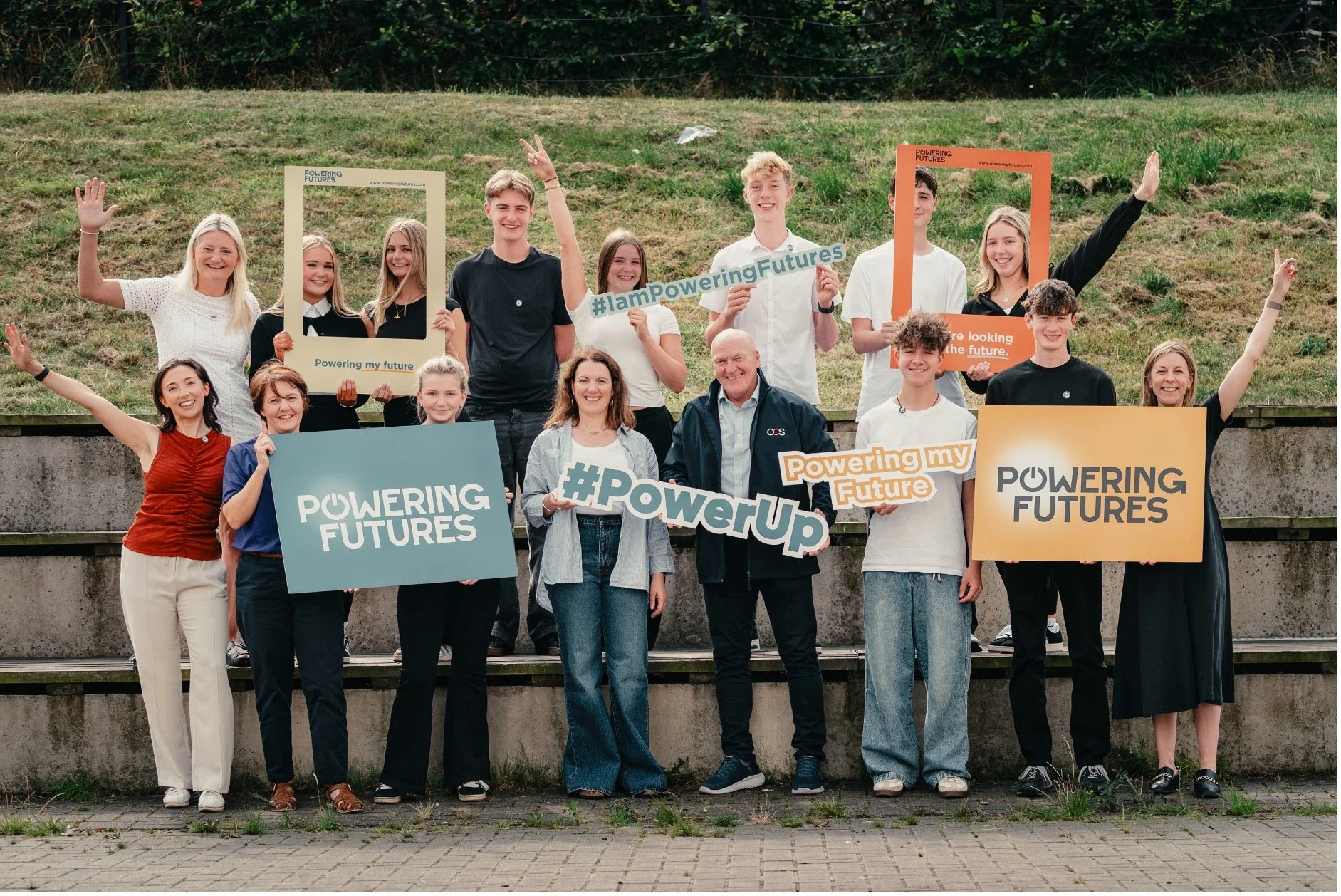
Delivered in collaboration with HCI Skills Gateway, Vital Energi and Powering Futures, the programme connected secondary school learners with a real-world sustainability challenge linked to the transition towards net zero.
As part of a 30-week SCQF Level 6 qualification, learners engaged with curriculum-linked STEM learning through challenge-led activity, exploring practical issues connected to energy, sustainability, construction and the future built environment.
The programme provided learners with opportunities to work collaboratively, engage with industry and apply their learning to a real-world challenge, while building awareness of STEM and construction-related career pathways.
The Challenge
The Hot Stuff Challenge was designed as a real-world, sustainability-focused challenge, giving learners the opportunity to explore a problem connected to the future of energy and the built environment.
Working in teams, learners applied their knowledge, developed ideas and proposed solutions to the challenge through a structured programme of learning and industry engagement.
Who is this for:
Educators and training providers
Secondary school learners
Level / Stage :
SCQF Level 6 qualification
S5–S6 learners
Curriculum-linked STEM learning
Programme at a glance

Learners solved the Hot Stuff Challenge.

Secondary schools across Scotland engaged with the programme.

S5–S6 learners participated in the SCQF Level 6 curriculum-linked STEM Challenge.
Impact
The programme created opportunities for learners to connect classroom learning with practical, real-world challenges and future career pathways.
Increased awareness of STEM and construction careers
Learners reported greater awareness of STEM and construction-related career opportunities and the range of pathways available within the transition towards a net-zero built environment. [I can provide quotes]
Development of meta-skills
Through collaborative problem-solving and challenge-led activity, learners developed transferable meta-skills including teamwork, communication, problem-solving and applying knowledge to real-world situations.
Connecting learning with industry
The programme created structured opportunities for learners to engage with industry perspectives and understand how STEM knowledge and skills can be applied beyond the classroom.
Supporting future pathways
By combining curriculum-linked learning, industry engagement and a practical challenge, the programme helped connect learners' educational experiences with potential pathways into further education, training and employment.
What was delivered
A 30-week SCQF Level 6 programme
A curriculum-linked STEM challenge for S5–S6 learners
The Hot Stuff Challenge, focused on sustainability and real-world problem-solving
Structured engagement between learners, educators and industry
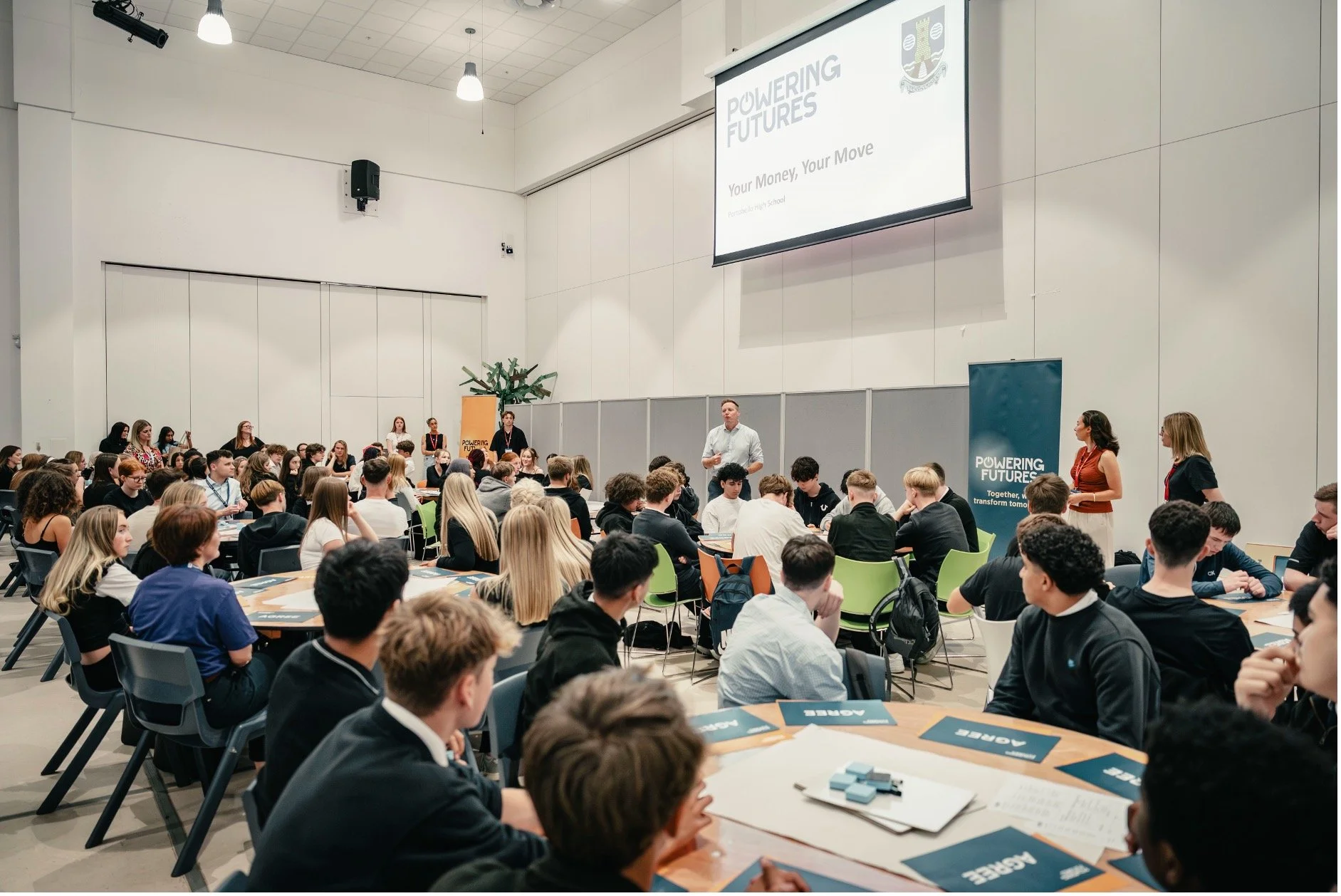
Collaborative, team-based challenge activity
Opportunities to explore STEM, construction and net-zero career pathways
A learning environment focused on the development of technical knowledge and transferable meta-skills
Resources and further evidence
The Powering Futures programme generated evidence and learning that can support the development of future STEM, skills and industry-engagement initiatives.
Powering Futures Full Report
Read the full Powering Futures report for further detail on programme delivery, learner engagement, outcomes and learning.
Stakeholder Presentation
The stakeholder presentation from Vital Energi provides additional insights into the programme, its delivery and the perspectives of participating stakeholders.
Hot Stuff Challenge
Explore the original challenge activity and see how learners were asked to apply their knowledge to a real-world sustainability problem.
Next steps
The learning from Powering Futures can inform the development of future challenge-led STEM and construction education programmes, including:
Continued analysis of learner engagement, participation and outcomes
Further exploration of diversity and inclusion within STEM and construction pathways
Development of scalable approaches for wider regional adoption
Strengthening connections between curriculum learning, industry engagement and career pathways
Integration of learning into the Future-Ready Skills Framework
